


Banner
Menu

Monthly Archives: December 2025

How to Choose the Best Property Managers in New York City: An Owner’s Checklist

Managing property in New York City is not the same as managing property anywhere else. From strict local regulations and tenant laws to complex building systems and high tenant expectations, NYC property ownership comes with unique operational challenges. This is why choosing the right property management partner is one of the most important decisions a property owner can make.

Whether you own a residential building, a mixed-use property, or a commercial space, this detailed owner’s checklist will help you evaluate and choose the best property managers in New York City based on experience, capabilities, and long-term value.

Why Choosing the Right Property Management Company Matters in NYC

New York City operates under one of the most regulated real estate environments in the country. Property owners must comply with city, state, and federal regulations while ensuring tenant satisfaction and operational efficiency.

Professional property managers in New York handle responsibilities such as:

  • Tenant relations and lease administration
  • Maintenance coordination and vendor management
  • Rent collection and financial reporting
  • Compliance with NYC housing laws and safety regulations
  • Day-to-day building operations

Owner’s Checklist: How to Choose the Best Property Managers in New York City

1. Proven Experience in New York City Property Management

NYC real estate requires local expertise. The property managers understand borough-specific challenges, building codes, and regulatory nuances.

When evaluating a property management company, confirm:

  • Experience managing properties specifically in New York City
  • Familiarity with residential, commercial, or mixed-use buildings similar to yours
  • Knowledge of NYC agencies, compliance requirements, and inspection processes

Local experience ensures smoother operations and fewer costly mistakes.

2. Comprehensive Real Estate Management Services

A reliable real estate management firm should offer end-to-end services rather than fragmented solutions. This helps maintain consistency and accountability.

Key services to look for include:

  • Lease administration and tenant communication
  • Maintenance planning and emergency response
  • Vendor coordination and service quality monitoring
  • Rent collection and financial oversight
  • Regulatory compliance support

A full-service approach allows owners to focus on asset growth while professionals manage daily operations.

3. Strong Understanding of NYC Building Management

Effective NYC building management goes beyond basic maintenance. Buildings in New York often have aging infrastructure, complex systems, and multiple stakeholders.

Your property manager should demonstrate expertise in:

  • Preventive maintenance planning
  • Elevator, HVAC, and fire safety coordination
  • Capital improvement oversight
  • Building inspections and compliance readiness

Strong building management protects property value and ensures uninterrupted operations.

4. Transparent Communication & Reporting

Clear communication is a hallmark of the best property managers in New York City. Owners should never feel disconnected from their assets.

Ask about:

  • Frequency and format of performance reports
  • Financial transparency and expense tracking
  • Response time for owner and tenant inquiries
  • Dedicated point of contact

Consistent reporting builds trust and enables informed decision-making.

5. Regulatory & Compliance Expertise

NYC property laws are complex and constantly evolving. Professional property management New York firms stay updated on local requirements to minimize legal risk.

Ensure your property manager understands:

  • Local housing regulations and compliance obligations
  • Building safety standards and inspection protocols
  • Documentation and record-keeping requirements

Strong compliance management reduces penalties and operational disruptions.

6. Tenant Management & Retention Strategy

Tenant satisfaction directly impacts occupancy rates and long-term returns. The best property managers focus on proactive tenant engagement.

Key indicators include:

  • Clear tenant communication processes
  • Efficient issue resolution and service coordination
  • Fair and consistent policy enforcement
  • Focus on long-term tenant relationships

Effective tenant management leads to lower turnover and stable rental income.

7. Facilities Management Capabilities

For commercial and mixed-use properties, integrated facilities management NYC is essential. Facilities management ensures operational continuity and safety.

A qualified management company should handle:

  • Daily operational oversight
  • Vendor coordination for cleaning, security, and utilities
  • Emergency preparedness and response
  • Asset performance monitoring

This holistic approach improves building efficiency and tenant experience.

8. Financial Management & Budget Oversight

Strong financial control separates average managers from the property managers in New York City. Owners should expect accuracy, transparency, and accountability.

Evaluate their approach to:

  • Budget planning and expense forecasting
  • Rent collection processes
  • Vendor cost control
  • Financial reporting and audits

Effective financial management supports sustainable property performance.

9. Technology & Operational Efficiency

Modern real estate management NYC relies on technology to improve efficiency and transparency.

Ask whether the property manager uses:

  • Digital reporting tools
  • Maintenance tracking systems
  • Secure payment platforms
  • Data-driven performance monitoring

Technology enhances responsiveness and simplifies owner oversight.

10. Scalable Solutions for Growing Portfolios

If you plan to expand your portfolio, your property management partner should scale with you. The property managers in New York City support long-term growth.

Look for:

  • Experience managing multi-property portfolios
  • Flexible service models
  • Strategic guidance beyond daily operations

A scalable partner becomes a long-term asset rather than a short-term vendor.

Making the Right Choice as a Property Owner

Choosing the right property management company in New York City is not about finding the cheapest option, it is about selecting a reliable partner who protects your investment, ensures compliance, and improves long-term performance.

By using this owner’s checklist, property owners can confidently evaluate and select the best property managers NYC based on experience, operational strength, and transparency.

Professional property management New York services simplify ownership, enhance tenant satisfaction, and help properties perform efficiently in one of the most demanding real estate markets in the world.
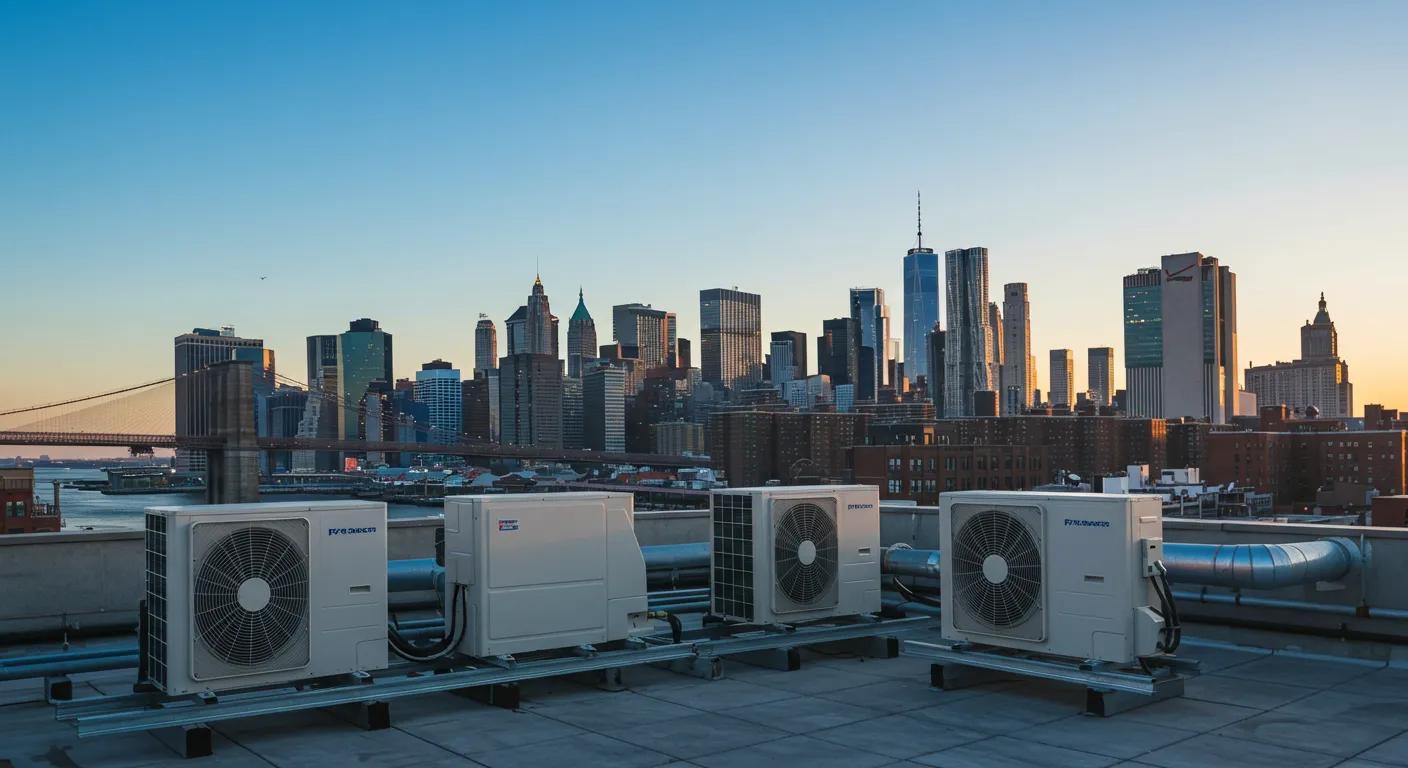
Capital Improvements That Boost Property Value in NYC – A Complete Guide

New York City real estate is one of the most competitive markets in the world. Whether it’s a co-op, condo, multifamily, mixed-use building, or commercial asset, the long-term value of a property is influenced heavily by its capital improvements NYC. In NYC, capital improvements aren’t just upgrades, they are strategic investments that enhance the building’s performance, tenant retention, compliance, and ultimately property value.

From essential building system upgrades to modern amenity enhancements, making the right capital improvements can deliver a strong return on investment (ROI), improve occupancy rates, reduce operating costs, and increase resale potential.

This complete guide explains which capital improvements deliver the most value in New York City, how they impact your asset’s long-term performance, and why strategic planning is critical for maximizing returns.

Modern HVAC & Mechanical System Upgrades Increase Asset Efficiency and Tenant Comfort

Upgrading heating, ventilation, and air-conditioning (HVAC) systems is one of the most impactful capital improvements in NYC real estate. Older HVAC systems consume significantly more energy, require more repairs, and fail to provide uniform comfort across units. By replacing outdated boilers, chillers, pumps, motors, and air-handling units, property owners benefit from lower energy bills, improved climate control, and enhanced tenant satisfaction.

With New York City’s increasing focus on energy efficiency and emissions reduction (Local Law 97), modern HVAC upgrades also reduce compliance risks. Energy-efficient HVAC systems often qualify for rebates and directly increase property value, as buyers view updated mechanical systems as a long-term cost saver rather than a future burden.

Roof Replacement & Waterproofing Protect Long-Term Structural Integrity

NYC’s climate from heavy snow to intense summer heat places enormous pressure on roofing systems. Roof deterioration leads to leaks, mold, energy loss, and costly interior damage. Replacing an aging roof with a new membrane system, enhanced insulation, or even a green roof dramatically extends the building’s lifespan and boosts energy efficiency.

A properly maintained roof also reduces liability, protects interior mechanical systems, and helps maintain structural integrity. Buyers, tenants, and inspectors view a new roof as a high-value improvement, often increasing the asset’s valuation. In commercial properties, a new cool roof can reduce heat absorption and lower cooling costs significantly.

Elevator Modernization Improves Safety, Compliance & Building Appeal

New York City buildings rely heavily on elevator systems, especially in mid-rise and high-rise structures. Outdated elevators frequently break down, violate safety codes, and generate tenant frustration. Elevator modernization upgrading control systems, motors, safety components, and cab interior ensures faster, smoother, and more reliable operation.

Modern elevators reduce maintenance costs, increase energy efficiency, and improve overall building experience. NYC’s Department of Buildings has strict elevator compliance standards, making modernization a priority for long-term value. Buyers and tenants see modernized elevators as a major plus, especially in older prewar or 1960s buildings.

Lobby & Common Area Renovations Transform Market Appeal

In NYC, the lobby sets the first impression. Whether it’s a condo building in Manhattan or a rental property in Queens, a modern lobby immediately enhances perceived building quality. Renovating lobbies with updated lighting, flooring, front desk design, security features, and furnishings drastically increases curb appeal and tenant interest.

Common areas like hallways, mailrooms, amenities, and shared spaces also shape buyer and tenant expectations. A refreshed aesthetic gives the property a premium feel and can justify higher rent or resale value. It’s one of the highest ROI improvements in competitive neighborhoods.

Energy-Efficient Lighting & Electrical Upgrades Reduce Costs & Improve Sustainability

Replacing outdated lighting with LEDs, upgrading electrical panels, installing motion sensors, and adding smart control systems offer significant energy savings. NYC properties face high utility costs, making energy-efficient electrical upgrades one of the quickest ways to reduce operational expenses.

Buyers appreciate buildings that are energy-optimized because they face fewer future expenses. Additionally, LED lights require less maintenance and last significantly longer than traditional bulbs. These improvements help buildings stay compliant with energy standards and appeal to eco-conscious tenants.

Façade Restoration Improves Safety, Longevity, and Visual Impact

Façade restoration is not optional in New York City, it’s a compliance requirement under Local Law 11 (Façade Inspection & Safety Program). Repairing bricks, cornices, roofs, windowsills, and other exterior components ensures the building remains safe and visually appealing.

Buildings with clean, well-maintained facades attract higher-quality tenants, minimize liability exposure, and maintain long-term structural health. Façade work is considered a major capital improvement (MCI) and directly increases property value, especially for prewar and older masonry buildings.

Local Law 11 (LL11) Compliance for NYC Buildings

Plumbing Upgrades Prevent Emergencies & Increase Efficiency

Old plumbing causes leaks, water damage, high water bills, mold growth, and tenant dissatisfaction. Upgrading supply lines, waste pipes, risers, and valve systems prevents catastrophic failures that can cost tens of thousands in emergency repairs.

Plumbing upgrades also support modern appliances/dishwashers, washer/dryers, HVAC systems and improve overall building performance. Potential buyers value updated plumbing because it eliminates future risk and maintenance.

Window Replacements Improve Energy Performance & Tenant Comfort

Window replacement is one of the most noticeable capital improvements. Modern double-pane or triple-pane windows reduce drafts, block noise, improve climate control, and decrease heating/cooling costs.

In NYC’s dense urban environment, noise reduction especially adds value to buildings near busy avenues, train lines, and commercial districts that can significantly improve comfort with modern windows.

Amenity Additions Increase Market Competitiveness

Today’s tenants and buyers expect amenities. Adding or upgrading:

  • Fitness centers
  • Rooftop lounges
  • Co-working spaces
  • Package rooms
  • Bike storage
  • Pet areas
  • Smart access control systems

These upgrades significantly increase property desirability. In competitive boroughs like Manhattan, Brooklyn, and Long Island City, modern amenities elevate the building into a higher rental or selling tier.

Life Safety & Fire System Upgrades Boost Compliance & Value

NYC fire code requires buildings to maintain updated fire alarm panels, sprinklers, smoke detectors, carbon monoxide detectors, emergency lighting, and evacuation systems.

Upgrading these systems not only ensures compliance but protects the building from liability and potential fines. Buyers love buildings with updated life-safety systems they know they’re minimizing risk.

Conclusion: Strategic Capital Improvements Lead to Strong Long-Term Property Value in NYC

Investing in capital improvements isn’t just about repairing old components, it’s about building long-term value. In New York City, where real estate is driven by competition, compliance, and future projections, upgrades to HVAC, elevators, plumbing, façade, lighting, lobby, and amenities can significantly enhance property value.

These improvements increase efficiency, reduce operating costs, boost market appeal, improve tenant retention, and future-proof the property against maintenance risks. For owners looking to strengthen asset performance, well-planned capital projects are one of the smartest strategies in NYC real estate.

Thank you for your upload
