

Banner
Menu

Category: Uncategorized

Builders Confident In New Home Market


Home builders know the housing market. Their business depends on it. That’s why the National Association of Home Builders keeps a monthly measure of how confident they are in the market for newly built single-family homes. If builders are optimistic, chances are the market is doing well. In February, the index – which scores builders’ responses on a scale where any number above 50 indicates more builders view conditions as good than poor – was up one point to 84, just below its all-time high. Robert Dietz, the NAHB’s chief economist, says there are several factors keeping builders positive. “Demand conditions remain solid due to demographics, low mortgage rates, and the suburban shift to lower cost markets, but we expect to see some cooling in growth rates for residential construction in 2021 due to cost factors, supply chain issues, and regulatory risks,†Dietz said. Despite those challenges, index components gauging current sales conditions and expectations for the next six months both show home builders are feeling optimistic about the 2021 market. (source)


Close-up of a hammer head resting on a surface with textured background.

Mortgage Rates Increase But Remain Low


According to the Mortgage Bankers Association’s Weekly Applications Survey, average mortgage rates increased last week from one week earlier. Rates were up for both 30-year fixed-rate mortgages with conforming loan balances and 15-year fixed-rate loans. Loans backed by the Federal Housing Administration fell slightly while jumbo loans were unchanged. Despite rising in recent weeks, mortgage rates remain historically low. However, the uptick has caused application demand to fall. In fact, it was down 5.1 percent last week from the week before. Joel Kan, MBA’s associate vice president of economic and industry forecasting, says the purchase market is still strong. “Conventional and government applications to buy a home declined last week, but purchase activity overall is still strong – up 15 percent from last year,†Kan said. Also in the report, the average loan size has hit another record high. It’s now $412,200. The MBA’s weekly survey has been conducted since 1990 and covers 75 percent of all retail residential mortgage applications. (source)

Large black percentage symbol on a textured background.

Lumber Prices Threaten Housing Affordability


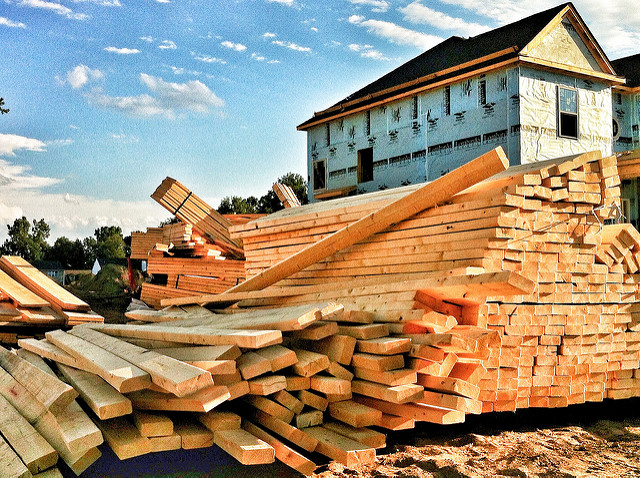
The housing market can be understood as simple supply and demand. When there are fewer homes for sale and buyer demand is high, home prices rise. When the opposite is true, prices fall. But there’s a little more to it than that. The balance of supply and demand is affected by numerous factors, including some less obvious ones that may not occur to the average home buyer. For example, in today’s market, the inventory of homes for sale is lower than normal. But while new home construction is the fastest way to correct that imbalance, the number of new homes being built has been slowed by surging lumber prices. Chuck Fowke, chairman of the National Association of Home Builders, says they’ve reached a record high. “According to Random Lengths, the price of lumber hit a record high this week and is up more than 170 percent over the past 10 months,†Fowke said. The spike in lumber prices has made it harder for home builders to build the affordable homes needed to help balance supply and demand. Which means, though housing affordability is a matter of simple supply and demand, there are many factors – like lumber production and international trade – that have a less obvious effect on the price of the home you buy. (source)

Stacks of lumber in front of a rustic building under a blue sky.

Asking Prices Surpass Last Year’s Peak


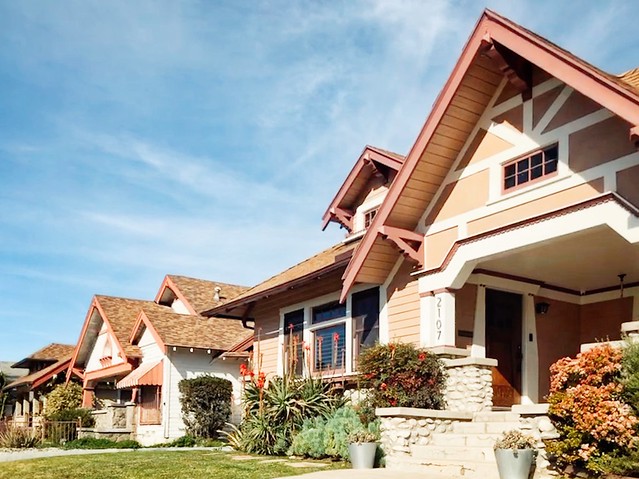
Generally speaking, home prices rise more than they fall. If you look at year-over-year data, you’ll see home prices increase a few percentage points almost every year. There are, of course, exceptions, but homeownership got its reputation as a safe investment for good reason. So the real question is by how much and how quickly are prices are rising. One way to tell is to look at asking prices. The asking price of a home is the amount the seller hopes to get for it – not the final sales price. In most years, asking prices won’t surpass the previous year’s peak until spring, when the sales season starts to heat up. This year, though, they’ve already beat 2020’s high. In fact, according to one recent report, asking prices of newly listed homes hit $334,770 during the first week of February. That’s a 10 percent jump from last year at the same time. It’s also an indication that prices are rising quickly and will likely continue to until more homes become available for sale. (source)

Row of charming suburban houses under a blue sky.

Million Dollar Home Searches Are Increasing


There are many ways to measure housing market activity. You can look at it geographically and compare how one region’s homes are selling compared to another’s. Or you can look at it historically and compare today’s numbers to the past. You can also look at it based on price range. Is the high end of the market performing differently than the market for affordable homes? Are first-time buyers more or less active than luxury buyers? Using these different perspectives can help you breakdown what’s happening in the market. For example, a recent report from an online real estate portal shows that the number of searches for homes over $1 million is rising. In fact, 10.8 percent of saved searches in January were filtered for more expensive homes. That’s an increase from last year when it was at 8.5 percent. It’s also the highest the site has ever recorded. So what’s happening? Well, the numbers are an indication that rising home prices and low for-sale inventory are having a larger impact on buyers in the middle and lower end of the market than they are on those seeking higher priced homes. This is no surprise, as the market for high-end homes typically rebounds faster after an economic downturn. It’s also a sign that low inventory may have some buyers waiting till spring when more homes will be listed for sale. (source)

Tall trees frame a brick building under a blue sky with scattered clouds.

Share Of Equity Rich Properties Hits 30%

A property is considered equity rich when its value is more than double the amount of the loans used to purchase it. In other words, if you owe $90,000 on a home worth $200,000, you’re equity rich. It’s a good position to be in as a homeowner, especially if you’re considering selling in the near future. Because of this, ATTOM Data Solutions’ quarterly Home Equity & Underwater Report tracks how many of the nation’s 59 million mortgaged homes could be considered equity rich. According to their most recent report, 30.2 percent of the country’s mortgaged homes qualified during the fourth quarter of 2020 – an improvement over 26.7 percent at the end of 2019. Todd Teta, ATTOM’s chief product officer, says homeowner equity has been improving for a while. “When it came to homeowner equity in the United States, the fourth quarter was more of the same as the third, which was more of the same as the second: a scenario that has continued to improve,” Teta said. “The housing market kept booming despite damage caused by the virus pandemic to the broader economy – a surge that continued to boost the equity that most property owners have in their homes.” (source)

Mortgage Rates Rise In Latest Survey


According to the Mortgage Bankers Association’s Weekly Applications Survey, average mortgage rates were up last week from the week before. Increases were seen for 30-year fixed-rate mortgages with conforming loan balances, loans backed by the Federal Housing Administration, and 15-year fixed-rate loans. Rates for jumbo loans fell from one week earlier. Mortgage rates have now increased in four of the first six weeks of 2021. But despite rising, rates are still near record lows and buyers are still active. Joel Kan, MBA’s associate vice president of economic and industry forecasting, says purchase demand continues to outpace year-before levels. “Purchase applications cooled the first week of February, but home buyers are still very active,†Kan said. “Purchase activity was 17 percent higher than last year, and the average purchase loan size continued to increase, reaching another survey high of $402,200, as the higher-priced segment of the market continues to perform well.†The MBA’s weekly survey has been conducted since 1990 and covers 75 percent of all retail residential mortgage applications. (source)

Bright yellow arrow pointing upward on a blue background.

Buyers Expect An Easier Home Search Ahead


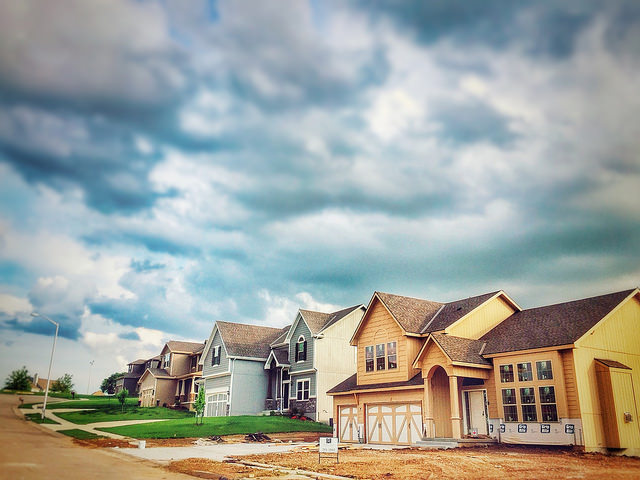
The coronavirus caused a significant decline in the number of homes available for sale last year. It didn’t, however, reduce the number of interested buyers. That combination – high buyer demand and low for-sale inventory – caused prices to rise, competition to intensify, and houses to sell quickly. But, according to the National Association of Home Builders latest Housing Trends Report, market conditions didn’t hurt buyers’ optimism. In fact, at the end of 2020, prospective home buyers were more optimistic about their upcoming home search than they were at the end of 2019. Survey results showed 37 percent of potential buyers said they expect their home search will get easier in the months ahead. That’s a significant improvement over the year before, when just 23 percent said they expected an easier time finding a home. Similarly, 54 percent said it would be the same or harder to find a home, which is a big drop from the 65 percent who said the same in 2019. In short, home buyers are optimistic that inventory will improve over the coming months and help bring more balance to the market. (source)

A row of suburban houses under a cloudy sky.

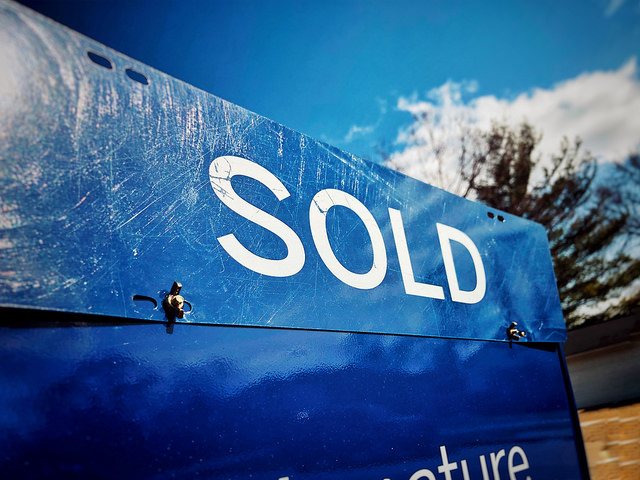
Americans Say Now Is A Good Time To Sell


Fannie Mae’s Home Purchase Sentiment Index surveys Americans each month to gauge their feelings about the housing market and their personal financial situation. The survey asks participants for their opinion on mortgage rates, home prices, their income, job security, and whether they think now is a good or bad time to buy or sell a home. In January, the index rose 3.7 points from the month before, with much of the improvement due to a 16 percent jump in the number of respondents who said now is a good time to sell a house. Doug Duncan, Fannie Mae’s chief economist, says there are several factors responsible for the increase. “Overall, the index’s monthly increase was driven largely by a substantial jump in the share of consumers reporting that it’s a good time to sell a home, with many citing favorable mortgage rates, high home prices, and low housing inventory as their primary rationale,†Duncan said. However, while the good-time-to-sell component saw a significant increase, the index remained mostly unchanged in other areas, including job concerns, mortgage rate expectations, and whether now is a good time to buy. (source)

Blue signboard with the word SOLD in white letters.

Hot Market Means Competition For Available Homes

Spring is typically the season when the housing market heats up. And, while it’s still more than a month away, prospective buyers hoping to start their home search in the coming weeks should be prepared. The winter market hasn’t ever really cooled down and it’s a good sign that it’ll be a fast-moving and competitive spring. For example, according to one recent analysis, home buyer demand, at the end of January, was 60 percent higher than it was last year at the same time. Additionally, the number of homes for sale was down 36 percent and the number of new listings fell 13 percent from year-ago levels. In other words, there are still a lot of home buyers and a lower-than-normal number of homes for sale. Expectations are that, as the season wears on and the coronavirus-vaccine rollout continues, more homes will become available for sale, which will help balance the market. But, at least for the first half of the year, buyers should be prepared to compete for the homes that are available. That means, having your finances and financing in order and being prepared to act quickly when you find a home that meets your needs. (source)

Thank you for your upload