

Banner
Menu

Category: Uncategorized

Forecast Calls For Steadier Mortgage Rates In 2019

When prospective home buyers think about whether or not they can afford to buy a home, the first thing they look at is prices. But, after that, mortgage rates run a close second. That’s because they are a significant factor in determining overall affordability and, more specifically, the house you’ll ultimately end up purchasing. For that reason, having an idea about where rates might be heading can help you think about your plans and potential budget. Take Fannie Mae’s most recent Economic and Housing Outlook, for example. The monthly forecast – which projects economic growth and housing market conditions – says that they expect the Federal Reserve to only raise interest rates once in 2019. And, after last year’s rate volatility, that is good news for home buyers, since it would mean little change to current rates. Doug Duncan, Fannie Mae’s chief economist, says steady rates should end up providing some stability in housing conditions this year. “We believe that contained price pressures should afford the Fed sufficient latitude to slow or pause rate hikes this year,†Duncan says. “This will allow the economy to continue growing, albeit at a slower pace, and housing to regain its footing.†More here.
Close-up of percentage symbols illustrating mortgage rates.

New Numbers Show Home Prices Slowing

Home buyers hoping for some good news heading into the spring buying season may find it in the Federal Housing Finance Agency’s most recent House Price Index. That’s because, after increasing for the past few years, it looks like home prices are finally starting to slow. In fact, according to the FHFA’s most recent numbers, prices were essentially flat in November from the month before. And, when comparing regional data, some areas may have even seen declines. But while slowing month-over-month increases are a good indication that short-term trends are heading in a more favorable direction, it doesn’t mean prices aren’t still up. In fact, the report shows year-over-year home values were higher than the year before across all nine census divisions – but at varying rates. For example, states in the West South Central division – which includes Texas, Oklahoma, Arkansas, and Louisiana – were up 4.5 percent from one year earlier while Mountain states like Colorado, Arizona, Montana and Utah saw increases closer to 7 percent. All in all, the report is in line with other recent releases suggesting that home prices are no longer moving upward quite as quickly as they were before. More here.

Close-up of a twenty-dollar bill featuring Andrew Jackson's portrait.

Mortgage Loan Demand 13% Higher Than Last Year

According to the Mortgage Bankers Association’s Weekly Applications Survey, demand for loans to buy homes was 13 percent higher last week than it was during the same week one year ago. The improvement follows a period of declining mortgage rates and two straight weeks of surging application demand. But though the year has been off to a strong start, it cooled a bit last week. Joel Kan, MBA’s associate vice president of economic and industry forecasting, says activity slowed but is still at healthy levels. “Mortgage application activity cooled off last week after two consecutive weeks of sizeable increases,†Kan said. “Both purchase and refinance applications saw declines but remained at healthy levels, with the purchase index remaining close to a nine-year high, and the refinance index hovering near its highest level since last spring.†Also in the report, average mortgage rates were up for 30-year fixed-rate loans with both conforming and jumbo balances, as well as loans backed by the Federal Housing Administration. The increase interrupts a downward trend that began at the end of last year. The MBA’s weekly survey has been conducted since 1990 and covers 75 percent of all retail residential mortgage applications. 

Up arrow key on a keyboard with a vintage look.

Homes For Sale Spend More Time On Market

Searching for a home to buy means making a major financial decision, while at the same time choosing a place to spend the next several years of your life. In other words, it’s not the type of thing you want to rush. However, in a competitive market, home buyers sometimes don’t have the luxury of thinking through their options. A good house is likely to attract a lot of attention and, if you want it, you have to make your offer fast. That has been the case recently, as there have been fewer homes available to buy and a high level of buyer demand. In short, homes have been selling quickly. But, according to new numbers from the National Association of Realtors, that may be changing. In fact, the typical home was on the market for 46 days in December, which is up from 42 days in November and 40 days last year at the same time. And if that doesn’t seem like a big improvement, consider that in August of last year the typical home sold in just 29 days. Lawrence Yun, NAR’s chief economist, says inventory has been improving and it’s helping buyers. “Several consecutive months of rising inventory is a positive development for consumers and could lead to slower home price appreciation,†Yun said. “But there is still a lack of adequate inventory on the lower-priced points and too many in upper-priced points.â€Â 

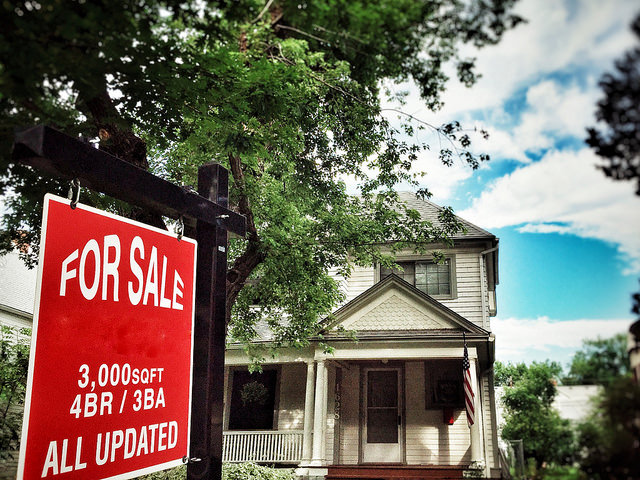
A charming house with a "For Sale" sign in front under a blue sky.

Majority Of Millennials Say They’d Buy A Fixer Upper

Millennial home buyers face some well-documented challenges. Higher home prices, too few starter homes for sale, and student loan debt are near the top of the list. Add to that having to save for a down payment while paying rent and it can seem like an uphill battle. But younger Americans want to buy and are showing a willingness to get creative in order to make it happen. For example, a new survey finds nearly 70 percent of millennials, who say they’d like to become homeowners soon, would consider buying a home that needs major repairs. And since finding an affordable house in a good neighborhood with quality schools and a short commute to work isn’t always easy, taking on a home improvement project in order to get one may not seem like that big of a tradeoff. And it isn’t, especially if you can do some of the work yourself. But, if this strategy appeals to you, be careful. Home repairs can get costly and even more so if you don’t have the expertise and experience to handle the job. More here.

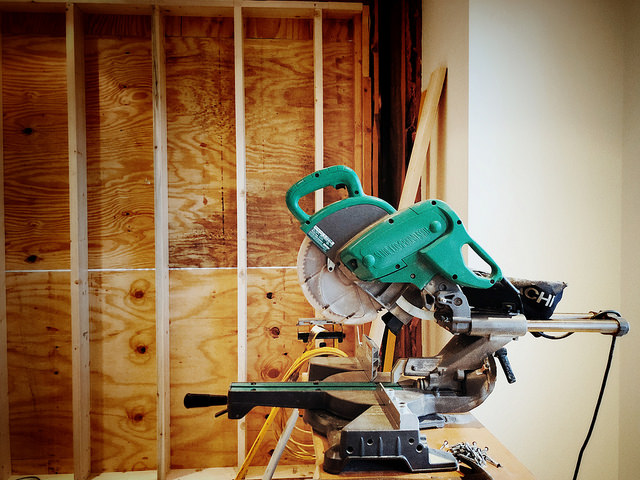
A green miter saw set up in a wooden-framed construction area.

Builder Optimism Climbs As Rates Slow Down

Builders build the homes we buy and live in but they also serve another important purpose. They are a good barometer for where the real estate market is heading. After all, it’s their business to determine whether or not people are buying homes. So when builders are confident, there’s likely a good reason. According to the National Association of Home Builders’ most recent Housing Market Index, the reason this month is mortgage rates. The NAHB’s index measures builder confidence on a scale where any number above 50 indicates more builders view conditions as good than poor. In January, it increased two points to 58. Randy Noel, NAHB’s chairman, says it’s because there’s been a decline in mortgage rates over the past several weeks. “The gradual decline in mortgage rates in recent weeks helped to sustain builder sentiment,†Noel said. “Low unemployment, solid job growth, and favorable demographics should support housing demand in the coming months.†In other words, builders expect buyer demand to remain high going into this spring’s sales season. 

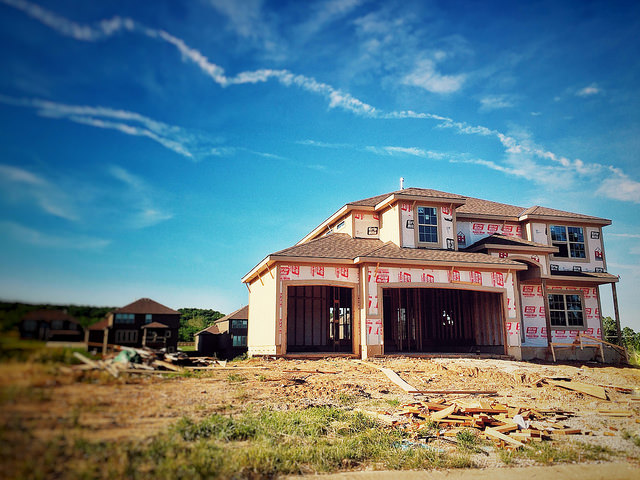
A partially built house under a blue sky with scattered clouds.

A Hopeful Sign For The Spring Market

Spring is the busiest season for home buyers. So, naturally, there’s a lot of analysis of buying conditions as it approaches. Things like mortgage rates, the economy, prices, for-sale inventory, and buyer demand can all be used to get a feel for how busy or slow the season will be. One early sign came with this week’s Applications Survey from the Mortgage Bankers Association. The survey measures mortgage rate movement and also demand for refinance and home purchase loans. The most recent results show a significant surge in demand over the previous week. In fact, total mortgage loan demand was up 13.5 percent from one week earlier and requests for loans to buy homes was 11 percent higher than at the same time last year. Mike Fratantoni, MBA’s senior vice president and chief economist, said the spike might be a hopeful sign. “Uncertainty regarding the government shutdown, slowing global growth, Brexit, a more patient Fed, and a volatile stock market continued to keep rates from increasing,†Fratantoni said. “The spring home buying season is almost upon us, and if rates stay lower, inventory continues to grow, and the job market maintains its strength, we do expect to see a solid spring market.â€Â 

A bright yellow daffodil blooming against a white wall.

Money Is Main Motivator When Deciding To Buy

When surveyed, Americans who currently don’t own a home consistently say they’d like to buy one someday. For example, the National Association of Realtors’ Housing Opportunities and Market Experience survey asked non-homeowners whether homeownership is part of their American Dream and 75 percent of respondents said it was. Which means, there are a lot of people who’d like to buy a home. So what are the main factors that influence their decision to buy now or wait? Well, it may come as no surprise that money leads the list. Most non-homeowners, when asked why they don’t currently own a home, said they couldn’t afford a mortgage. Other reasons included needing the flexibility that comes with renting and a lifestyle that wasn’t compatible with ownership. Similarly, when asked what might spur a future decision to buy, respondents said that having more money would motivate them to purchase a home. But an improved financial situation wasn’t the only thing that could encourage them to buy. An almost equal number of respondents said a lifestyle change like marriage or retirement might push them to pursue homeownership. More here.

Close-up of various US dollar bills overlapping each other.

How Long Will You Live In The Home You Buy?

Everybody knows buying a house is a major financial commitment. But you’re also committing your time. After all, if you’re purchasing a home, you’re likely thinking about staying awhile. But how long should you expect to live in the home you buy? Well, according to new numbers from First American, the length of time the average homeowner spends in their house is growing. In fact, it’s risen 10 percent in just the past year. Mark Fleming, First American’s chief economist, says there are a couple of reasons for this. “Just prior to the housing downturn in 2007, homeowners typically stayed in their homes for four years,†Fleming says. “In the aftermath of the housing market crash (2008-2016), median homeowner tenure increased to approximately seven years. Many people remained in their homes because their mortgage balances exceeded their property values during this time, so they would have lost money by selling their homes.†In the ensuing years, Americans who bought homes did so at a time when mortgage rates were at historic lows, giving them a reason to stay put longer. Combined those factors pushed median tenure length to 10 years by September of last year. That means, if you’re buying a house today, you may want to ask yourself whether it’ll still be the right house for you in a decade. More here.

A bright red wall clock showing the time 9:10.

One Way To Think About Mortgage Rate Increases

Affordability conditions over the past few years have been largely held in check by low mortgage rates. Potential home buyers could absorb higher home prices, since job market improvement had them feeling confident in their income and rates were still hovering near historic lows. But though the most recent data shows rates have fallen over the past few weeks, last year brought the first significant increase since the housing crash. This has caused new concern about affordability. So how concerned should buyers be? Well one way to put current conditions in perspective is to look at what has been normal historically. The numbers show that, since 1970, mortgage rates have generally been much higher than they are today. In fact, during the ’70s, they ranged between 7 and 10 percent. In the early 1980s, they surged to almost 19 percent before settling back down. Since then, they’ve generally been between 6 and 10 percent until 2009. In other words, today’s mortgage rates are still well below historic norms, even with the past year’s increase. More here.

Close-up of a red percentage symbol on a blurred background.

Thank you for your upload