

Banner
Menu

Category: Uncategorized

Where Will You Get The Money To Buy A Home?


Buying a house requires a plan. It’s not something you do on a whim. A big part of that plan is figuring out your financing. The details of how much you’ll need and where you’ll get it are among the first you’ll need to nail down. So what strategies are today’s home buyers using to finance their home purchase? Well, according to one recent survey, loans top the list. That’s no surprise. The vast majority of us will require a mortgage to buy a house. Loans from financial institutions were named by 68 percent of survey respondents. Americans are also leaning on support from friends and family. Twenty-three percent of participants said they expect to use a financial gift from someone close to them to help cover upfront costs and a down payment. Outside of loans and gifts, the other most popular answer was savings, with 46 percent of survey respondents saying they plan to use money they’ve saved. Whichever strategy you use, be sure to figure it out before you fall in love with any listings. Not having your financing lined up in advance is a great way to lose the home of your dreams to a better prepared buyer. (source)

Close-up of a U.S. fifty-dollar bill featuring Ulysses S. Grant.

New Home Builders Optimistic About Market


The National Association of Home Builders conducts a monthly survey of builders in order to gauge their confidence in the market for new homes. Builders have a unique perspective on the market and, because of that, the NAHB’s survey is a closely watched barometer of housing health. In June, the index reached positive territory for the first time in almost a year. In fact, the index scored a 55 on a scale where any number above 50 indicates that more builders view conditions as good than poor. The reason for home builders’ growing optimism? There are several. The lack of available existing homes for sale is one. Because buyers are struggling to find previously owned homes to buy, the new home market is seeing more demand. Robert Dietz, NAHB’s chief economist, says the likelihood that the Fed will slow interest-rate increases is another. “The Federal Reserve nearing the end of its tightening cycle is also good news for future market conditions in terms of mortgage rates and the cost of financing for builder and developer loans,†Dietz said. (source)

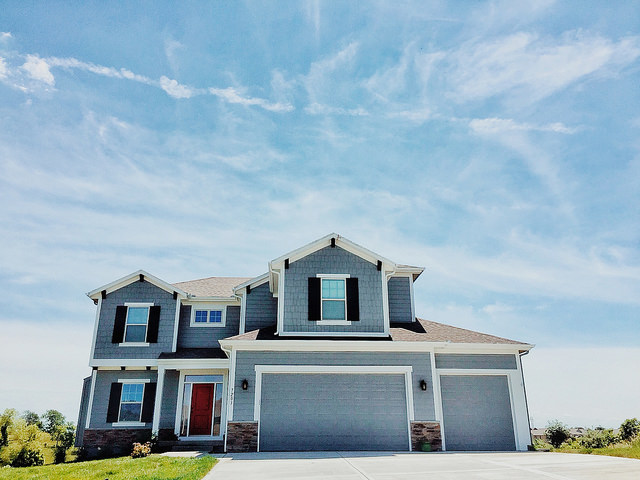
A modern two-story house with a three-car garage under a blue sky.

Homeownership Ranks High On Good Life List


There isn’t one definition of “the good life.†It’s a little bit different for everyone. But while we each have our own individual dreams, goals, and aspirations, there are some things we all agree are included in the good life. Health and financial security, for example. In a recent survey from Fannie Mae, both were named important or somewhat important by nearly 100 percent of respondents. It makes sense. After all, you can’t enjoy much without your health and enough money to take care of yourself. Living somewhere you love also made the list, with 94 percent saying it was an important part of the good life. But what about homeownership? Well, Fannie Mae took the same survey in 2020, when rates were historically low and the home buying frenzy was in full swing. Back then, 87 percent of participants said owning a home was key to living the good life. What about now, though? Has anything changed after the price and rate increases of the past two years? Surprisingly, no. The new survey found the exact same share of participants put homeownership on the list. That’s more than twice as many as those that said fancy cars, jewelry, and clothes were most important. (source)

Lighthouse silhouette against a clear sunset sky.

Housing Slowdown Impacts High-End Markets Most


The market conditions home buyers encounter when they head out to shop for a home depend a lot on what they’re looking for and where. Some markets are still hot, with buyers competing for available listings and sellers receiving multiple offers – others have slowed significantly from their pandemic pace. One new analysis looked at recent patterns in home prices, affordability, underwater mortgages, and foreclosures in an effort to determine exactly which markets are feeling the slowdown and which are still running strong. The results show affordable markets – especially in the South, Midwest, and Northeast – have been relatively unaffected by housing’s recent downturn. Markets in the West, on the other hand, and those where median home values exceed $350,000, have seen a bigger impact. “We are starting to see some patterns that show where the U.S. housing market is cooling off and how it’s hitting homeowners based on some key metrics,†Rod Barber, ATTOM’s CEO, said. “It looks so far – and it’s important to stress, so far – to be having more impact in places with the highest housing costs and less impact elsewhere.†(source)

Elegant large beige mansion with arched windows and manicured lawn.

Mortgage Rates Decline For Second Week


According to the Mortgage Bankers Association’s Weekly Applications Survey, average mortgage rates fell for the second straight week last week. Rates were down across most loan categories including 30-year fixed-rate loans with conforming balances, loans backed by the Federal Housing Administration, 15-year fixed-rate loans, and 5/1 ARMs. The decline was good news for home buyers, though challenging conditions remain. Joel Kan, MBA’s vice president and deputy chief economist, says buyer demand has been constrained. “Rates that are still more than a percentage point higher than a year ago, and low for-sale inventory continue to constrain home buying activity in many markets,†Kan said. Still, demand for loans to buy homes surged last week, increasing 8 percent from the week before. The MBA’s weekly survey has been conducted since 1990 and covers 75 percent of all retail residential mortgage applications. (source)

A large yellow arrow painted on a dark pavement pointing downward.

Surprising Spring Shows Market Resilience


When mortgage rates began to climb last year, many wondered whether the market would crash and send home prices tumbling. Now, more than a year later, we have an answer. Not only did the market survive the rate spike, it’s currently enjoying a surprisingly strong spring selling season. In fact, according to one recent analysis, home sales – though down from the heights reached during the pandemic – are now near their pre-pandemic norm. Additionally, home prices rose 1.4 percent from April to May, which was the largest monthly increase since last June and a bigger gain than over the same period in both 2018 and 2019. Simply put, the housing market has shown resilience. Buyer demand has continued to outpace the number of homes for sale, despite affordability challenges and rate volatility. Of course, it remains to be seen whether the market will follow seasonal patterns this summer or break with its typical pattern. But so far this year, the housing market has remained resilient even amid challenging conditions. (source)

Close-up of a vibrant pink gerbera daisy's detailed center.

Housing Affordability Gets 1st Quarter Boost

Housing affordability hit a low point at the end of last year, according to the National Association of Home Builders’ Housing Opportunity Index. The index – which measures whether new and existing homes are affordable to families earning the U.S. median income – found that just 38.1 percent of homes sold during the fourth quarter of 2022 could be considered affordable. It was the lowest reading since the NAHB began tracking affordability. Fortunately, though, the newly released first-quarter results of the HOI show housing affordability has since rebounded from that low point. In fact, first-quarter data shows 45.6 percent of homes sold between January and March were affordable. That’s a significant improvement. But while quarter-over-quarter results were encouraging, Robert Dietz, NAHB’s chief economist, says affordability still trails year-before levels. “Elevated interest rates and higher home prices coming out of the pandemic have left housing affordability conditions considerably lower on a year-over-year basis,” Dietz said. “While affordability posted a gain in the first quarter, it is still well below the breakeven point of 50.” (source)

Money-2

Housing Market Needs More Affordable Homes


The lack of available homes for sale is not a new problem. Home buyers have been dealing with low inventory for years now. It was the primary reason prices surged during the pandemic and, even after last year’s market volatility, it continues. But while the number of available homes for sale has been low overall, according to one new analysis, it is hitting a particular income bracket harder than any other. The National Association of Realtors’ Housing Affordability and Supply report found that middle-income home buyers face the biggest shortage of homes. In fact, according to the report, the market needs an additional 320,000 homes priced below $256,000 to satisfy demand from buyers earning a household income under $75,000. “Middle-income buyers face the largest shortage of homes among all income groups, making it even harder for them to build wealth through homeownership,†Nadia Evangelou, NAR senior economist and director of real estate research, said. “We must boost the number of homes at the price range that most people can afford to buy.†(source)

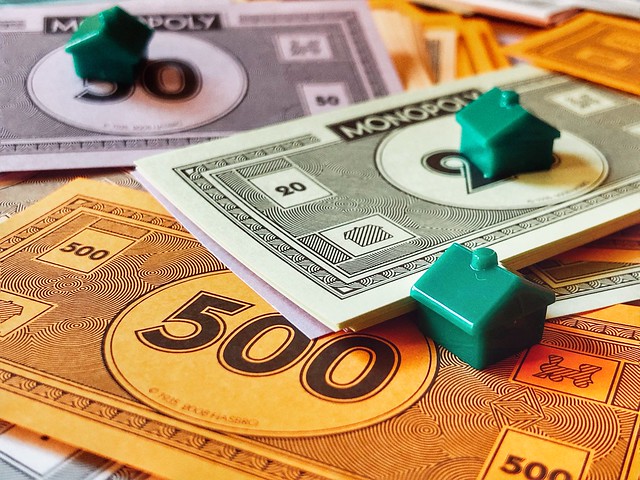
Monopoly game pieces on colorful property and money cards.

Survey Finds Americans Ready To Sell


Fannie Mae’s monthly Home Purchase Sentiment Index is based on a survey of Americans. The survey asks participants for their perception of the current housing market, including where they think home prices and mortgage rates are headed, how secure they feel in their job and financial situation, and whether or not they think now is a good time to buy or sell a home. In May, affordability conditions had respondents less optimistic overall, though a growing share said they feel now is the right time to sell a home. According to the results, selling sentiment was up 8 percent from the previous month. But while respondents feel good about selling a house, they’re also feeling the effects of higher home prices and mortgage rates. Mark Palim, Fannie Mae’s vice president and deputy chief economist, says the survey found respondents high on selling but hesitant about buying. “As we near the end of the spring home buying season, the latest HPSI results indicate that affordability hurdles, including high home prices and mortgage rates, remain top of mind for consumers, most of whom continue to tell us that it’s a bad time to buy a home but a good time to sell one,†Palim said. (source)

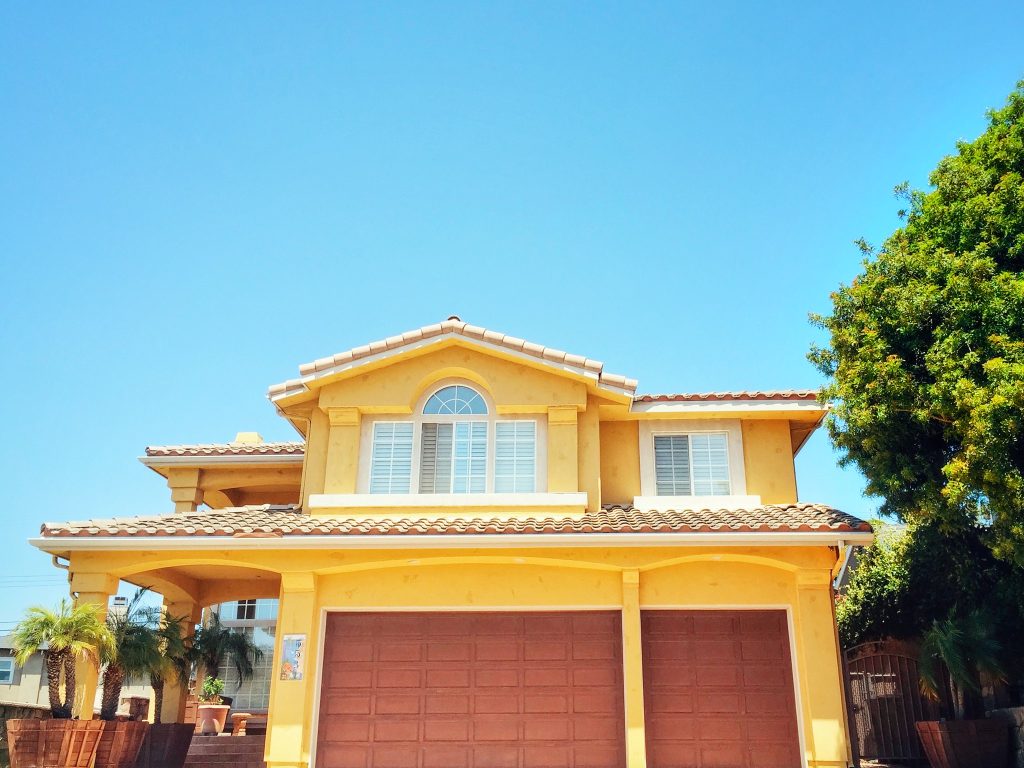
A two-story house with yellow exterior and brown garage doors under a clear blue sky.

Average Mortgage Rates Fall From Week Before


According to the Mortgage Bankers Association’s Weekly Applications Survey, average mortgage rates fell last week after several weeks of increases. Rates decreased for 30-year fixed-rate loans with both conforming and jumbo balances, loans backed by the Federal Housing Administration, and 15-year fixed-rate loans. Joel Kan, MBA’s vice president and deputy chief economist, says rates may have fallen last week but it wasn’t enough to boost mortgage demand. “Overall applications were more than 30 percent lower than a year ago, as borrowers continue to grapple with the higher rate environment,†Kan said. “Purchase activity is constrained by reduced purchasing power from higher rates and the ongoing lack of for-sale inventory in the market, while there continues to be very little rate incentive for refinance borrowers.†Kan says demand for FHA loans performed better than other categories, an indication that there’s a growing share of first-time buyers in the market. (source)

White downward arrow on an orange background.

Thank you for your upload