

Banner
Menu

Category: Uncategorized

Which Generation Is Buying The Most Homes?


First-time home buyers typically account for a large share of the homes sold in any given year. Historically, they’ve made up around 40 percent of annual home sales. For the past several years, though, the number of first-time buyers has run lower than its historical average. In fact, they now account for something closer to 30 percent of all sales. That means fewer young Americans are active in the housing market. It also explains a new analysis which found that – for the first time in nearly a decade – older home buyers have been more active in the market than younger buyers. The data shows 39 percent of home buyers between July 2021 and July 2022 were baby boomers. Millennials trailed behind at 28 percent of buyers, and Gen X followed at 24 percent. The reason for the generational switch is pretty simple: High home prices, low inventory, and rising mortgage rates have made it more challenging for first-time buyers, while baby boomers are more likely to have the financial resources necessary to navigate the current market. (source)
Sunlit residential street with palm trees and parked cars.

Down Payments Fall For First Time In Years


Coming up with an adequate down payment can be an obstacle for home buyers. After all, it’s a lot of money to have on hand. These days, that’s especially true. That’s why it may be good news for buyers that the average down payment has fallen for the first time since 2020. According to a recent analysis from the National Association of Realtors’ consumer website, the average down payment during the first quarter of this year was 13 percent, that’s down slightly from 13.1 percent last year at the same time. That may not seem like much but considering the previous years’ increases, it represents a break for prospective home buyers. Clare Trapasso, the website’s executive news editor, says affordability is still a challenge but buyers have a little more negotiating power this year. “As buyers’ budgets are being stretched to the max, there are opportunities for negotiation, especially on homes that have been sitting on the market for a while,†Trapasso said. “They can ask sellers to come down on the price, make costly repairs, as well as contribute to their closing costs or buy down their mortgage rates.†(source)

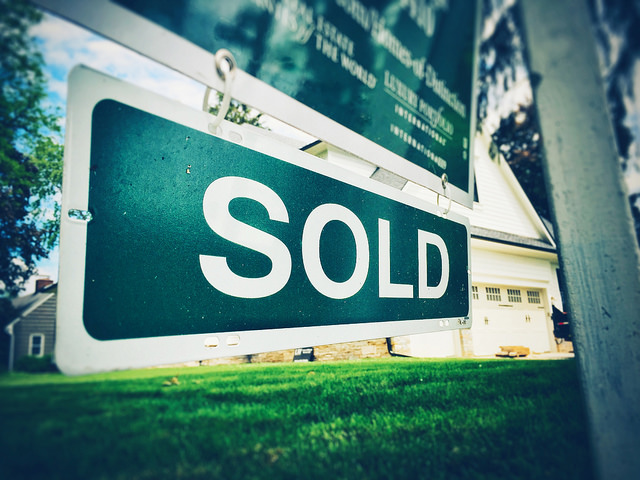
A sold sign in front of a house on a sunny day.

Calculating The “Hidden” Costs Of Homeownership


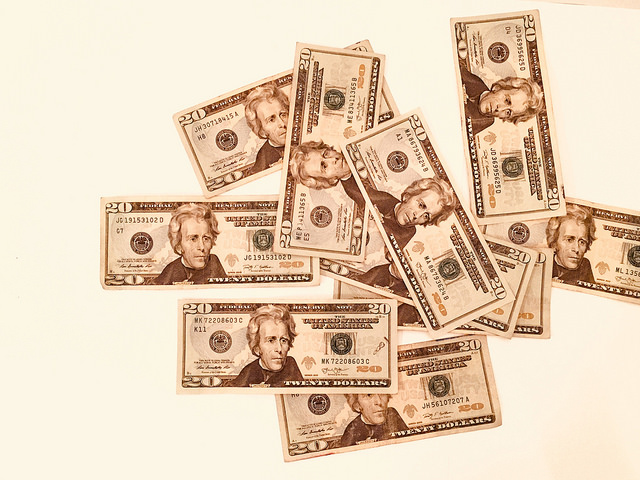
When calculating the costs of buying a home, it’s important to think beyond the upfront expenses. You have to have a plan to cover the down payment and closing costs, of course, but you should also know what your prospective monthly mortgage payment will be. After that, you need to think about the “hidden†costs of homeownership. Things like property taxes, homeowners insurance, utilities, and home maintenance will add up. And depending on where you live, they can add up to a lot. In fact, according to one recent analysis, they can add up to as much as $14,000 a year. Property taxes alone account for a large share of that. In New York, for example, property tax can be as much as $9,000 a year. Naturally, repeat buyers are less likely to be caught off guard by the price of taxes, insurance, and utilities. First-time buyers, though, have to be sure to work them into their buying equation. It’ll help produce a more realistic budget and reduce the risk of buying more house than you can afford. (source)

Scattered twenty-dollar bills on a plain surface.

What Recent Home Buyers Say They Regret Most


Buyer’s remorse is common, especially after making a large purchase. So it’s not unusual for recent home buyers to have some regrets. It’s normal. In fact, a survey of new homeowners found the vast majority said there were things about the home-buying experience that left them feeling dissatisfied. But what were those things? Well, fortunately, the share of respondents who said they feel they bought the wrong house altogether was low. Far more participants said they regret buying too quickly, spending too much, or making an offer under pressure. In a competitive market, that’s no surprise. The home’s location and neighbors also made the list – both named by just over 20 percent of buyers. The number one complaint among recent home buyers, though, was that the home they purchased requires too much maintenance. Thirty-three percent of surveyed buyers listed maintaining their home as the top complaint, with 26 percent responding that they regret buying a fixer-upper. (source)

Chimney against a vibrant blue sky with wispy clouds.

Mortgage Application Demand Falls As Rates Rise

According to the Mortgage Bankers Association’s Weekly Applications Survey, average mortgage rates rose again last week. Rates were up for 30-year fixed-rate loans with both conforming and jumbo balances, loans backed by the Federal Housing Administration, and 15-year fixed-rate loans. Mike Fratantoni, MBA’s senior vice president and chief economist, says demand for mortgage applications fell as a result. “Application volumes for both purchase and refinance loans decreased last week due to these higher rates,” Fratantoni said. “While refinance demand is almost entirely driven by the level of rates, purchase volume continues to be constrained by the lack of homes on the market.” Demand for loans to buy homes was down 3 percent last week and is now 31 percent lower than it was at the same time last year. Refinance activity, on the other hand, was down 7 percent week-over-week. The MBA’s weekly survey has been conducted since 1990 and covers 75 percent of all retail residential mortgage applications. (source)

Arrow Down 15

Have We Seen The End Of Home Price Declines?


Nationally, home prices began to soften last June. Mortgage rates jumped early in the year and prospective home buyers began pausing their plans to purchase a house. That slowed price gains. There were even concerns that prices may see sustained declines. According to the latest S&P Case-Shiller Home Price Indices, though, those concerns may have been unfounded. Because, though prices did see a dip in some markets, they’ve now seen consecutive increases in back-to-back reports. Craig J. Lazzara, managing director at S&P, says home prices are just below their 2022 peak. “The modest increases in home prices we saw a month ago accelerated in March 2023,†Lazzara said. “The National Composite rose by 1.3 percent in March, and now stands only 3.6 percent below its June 2022 peak.†But while prices appear to be rebounding, Lazzara says it’s too early to call it a recovery. He also cautions that regional differences remain. In fact, while some cities are seeing significant upward movement, prices in other metros are still seeing declines – especially western cities like Seattle and San Francisco. (source)

A large orange dollar sign on a white and blue background.

Concessions Increase As Sellers Look To Lure Buyers


In a seller’s market, homeowners with a home to sell don’t have to offer much to lure interested buyers. Just having an available house can be enough. That’s generally been the case for the past few years, with the number of homes for sale lower than normal and buyer demand high. These days, though, market dynamics are changing and so are the number of concessions being offered by sellers. Concessions are when a home seller helps a buyer with closing costs to reduce the amount of upfront money needed to close the deal. And according to one recent analysis, they’re on the rise. In fact, the number of sellers offering concessions has increased 17 percent year-over-year, from 25.5 percent of sellers last year to 42.9 percent through the three months ending in April. But home buyers should know – while the numbers show concessions up significantly from last year – they’ve been trending downward since February, as buyers returned to the market after a slow winter. (source)

Large white house with a porch and picket fence.

Contract Activity Unchanged in April


The National Association of Realtors’ Pending Home Sales Index measures the number of contracts to buy homes signed each month. Contract signings are an important housing market indicator, since they are a good predictor of future home sales. In April, the NAR’s index was unchanged from the previous month but down from last year at the same time. Regionally, contract activity rose in the Midwest, West, and South but saw an 11.3 percent decline in the Northeast. Lawrence Yun, NAR’s chief economist, says Americans want to buy homes but there are too few for sale right now. “Not all buying interests are being completed due to limited inventory,†Yun said. “Affordability challenges certainly remain and continue to hold back contract signings, but a sizeable increase in housing inventory will be critical to get more Americans moving.†(source)

House for sale with a pending sale sign in front.

Mortgage Rates Moved Higher Last Week


According to the Mortgage Bankers Association’s Weekly Applications Survey, average mortgage rates moved higher last week from one week earlier. Rates were up for 30-year fixed-rate loans with both conforming and jumbo balances, loans backed by the Federal Housing Administration, 15-year fixed-rate loans, and 5/1 ARMs. Joel Kan, MBA’s vice president and deputy chief economist, says there are several economic factors pushing rates higher. “Investors remained attuned to the uncertainty around the U.S. debt ceiling and communication from several Federal Reserve officials last week, which sent Treasury yields higher, along with mortgage rates,†Kan said. “Economic data released over the past week have also pointed to a still-resilient economy. The housing market received positive data on new residential construction – which is seen as a key solution to the lack of housing inventory.†Higher rates led to slower demand for mortgage applications, with both purchase and refinance activity falling from the week before. The MBA’s weekly survey has been conducted since 1990 and covers 75 percent of all retail residential mortgage applications. (source)

Bright orange directional arrow painted on pavement.

New Home Sales Up 12% Over Last Year


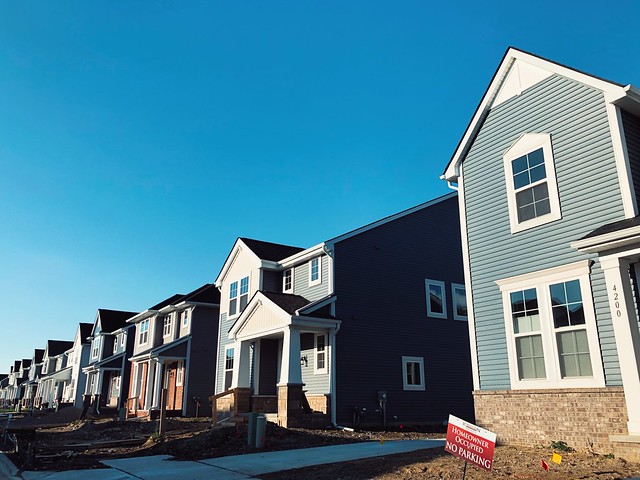
Sales of newly built single-family homes rose in April, according to new numbers from the U.S. Census Bureau and the Department of Housing and Urban Development. Sales were up 4.1 percent over the previous month and were nearly 12 percent higher than they were in April 2022. New home sales are now at their highest level in over a year. So why is the new home market so hot? There are a couple of reasons. First off, home buyers were reacting to mortgage rates moving lower after climbing in February and early March. The move toward more favorable rates brought out interested buyers. The other factor is the lack of existing homes for sale. Low inventory has pushed home buyers to consider newly built options, as there are fewer previously owned homes available to buy. Combined with the start of the spring home shopping season, those two factors played a big part in bringing out home buyers and pushing new home sales upward. (source)

Row of modern blue and white townhouses under a clear sky.

Thank you for your upload