

Banner
Menu

Category: Uncategorized

Rising Rates Slow Mortgage Application Demand


According to the Mortgage Bankers Association’s Weekly Applications Survey, average mortgage rates increased again last week. Rates were up week over week across all loan categories, including 30-year fixed-rate loans with both conforming and jumbo balances, loans backed by the Federal Housing Administration, and 15-year fixed-rate loans. The increases led to a decline in both refinance and purchase application demand. Overall, demand was down 8.1 percent from the week before. Joel Kan, MBA’s associate vice president of economic and industry forecasting, says the lack of affordable inventory has slowed activity and also led to an increase in the average loan size. “The average loan size again hit another record high at $446,000,†Kan said. “Activity continues to be dominated by larger loan balances, as inventory remains tight for entry-level buyers.†The MBA’s weekly survey has been conducted since 1990 and covers 75 percent of all retail residential mortgage applications. (source)


White downward arrow on a red square sign against a purple wall.

Recent Home Buyers Say They Have Regrets


Buying a house is a major financial transaction. For most of us, it’ll be among the biggest we’re ever involved in. But money isn’t the only thing you’re committing when you purchase a home, you’re also committing your time. The average home buyer will spend the next five to 10 years living in the house they buy. Which is why it’s important to know exactly what you’re looking for when shopping for a home – especially, in a fast-paced market. You likely won’t have days to debate the pros and cons of a particular property. You’ll have to make a decision quickly, and that can lead to buyer’s remorse. In fact, a recent survey of homeowners who bought in the past two years found 75 percent said they had at least one regret about the home they purchased. An almost identical number of respondents said they wish they’d done at least one thing differently when they were shopping for a home. But while compromise is inevitable as a home buyer, regrets aren’t. Before you begin, make a list of must haves and deal breakers. Knowing where you’re willing to compromise, and where you won’t, will help you choose a house you’re less likely to regret. (source)

A white house with a tall chimney against a clear blue sky.

Home Sellers More Optimistic Than Buyers


It’s a seller’s market. So it’s no surprise that Fannie Mae’s most recent Home Purchase Sentiment Index found respondents more optimistic about selling a home than they were about buying one. With inventory low and buyer demand high, that’s to be expected. The survey found 69 percent of participants said they believed now was a good time to sell a house, while just 25 percent said they thought it was a good time to buy. Doug Duncan, Fannie Mae’s senior vice president and chief economist, said younger Americans were more likely to be affected by current market conditions. “Younger consumers – more so than other groups – expect home prices to rise even further, and they also reported a greater sense of macroeconomic pessimism,†Duncan said. “All of this points back to the current lack of affordable housing stock, as younger generations appear to be feeling it particularly acutely.†Overall, the index was down 2.4 points from the month before and 5.9 points from last year at the same time. (source)

Blue signboard with the word SOLD in white letters.

Prices Rising Faster In Kid Friendly Neighborhoods


Nearly 200,000 more Americans will turn 32 this year than did last year. That may seem like a random factoid but it actually has big implications for the housing market. That’s because 32 is the age when many Americans buy their first home. It’s also close to the median age of parents with newborns. And with a couple hundred thousand more Americans turning 32 this year – and even more next year – there will be a lot of home buyers looking to buy a home in a family-friendly neighborhood. That means increasing demand for affordable homes at a time when the inventory of homes for sale in those price ranges is lower than normal. The effects can already be seen. In fact, according to one recent analysis, home prices are rising about 3 percent faster in areas with a larger share of kids than they are in ZIP codes where there are fewer kids. So what does this mean for young Americans who are starting families and thinking about buying a home? Well, it means competition and prices will be rising in desirable, kid-friendly neighborhoods, so it’s more important than ever to have some savings and your finances in order. (source)

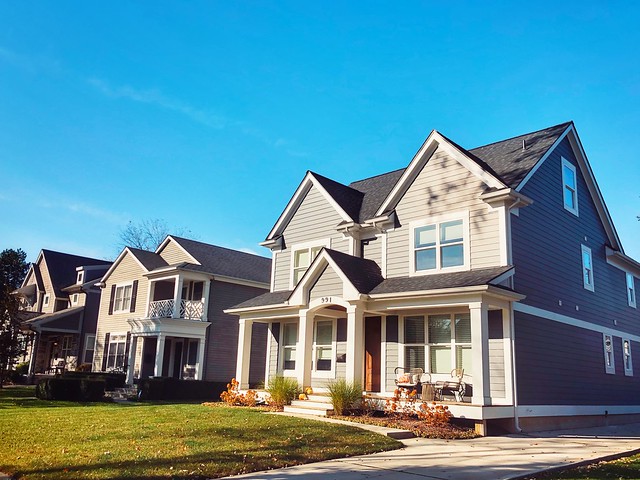
Row of modern suburban houses under a clear blue sky.

More Homeowners Now Considered Equity Rich


The gap between what homeowners owe on their mortgages and what their homes are worth continues to widen, according to new numbers from ATTOM Data Solutions. Their most recent U.S. Home Equity & Underwater Report found that 41.9 percent of mortgaged residential properties were considered equity rich in the fourth quarter of 2021. Equity rich refers to when the combined amount of loan balances is no more than 50 percent of a property’s estimated value. In short, it’s good news for homeowners – and it’s spreading. The percentage of equity-rich properties was up from 39.5 percent in the third quarter and 30.2 percent at the same time the year before. Todd Teta, ATTOM’s chief product officer, says homeowners benefited from last year’s home-price increases. “As home prices kept rising, so did the equity built up in residential properties, to the point where close to half of all mortgage payers around the country found themselves in equity-rich territory,†Teta said. “No doubt, there are market metrics that pose warnings about how long the boom can last and equity can keep improving … But for now, homeowners are sitting pretty as the wealth they have tucked away in their homes keeps growing.†(source)

Close-up of George Washington's portrait on a U.S. dollar bill.

Mortgage Application Demand Increases 12%


According to the Mortgage Bankers Association’s Weekly Applications Survey, average mortgage rates rose again last week with increases seen across all loan categories, including 30-year fixed-rate loans with both conforming and jumbo balances, loans backed by the Federal Housing Administration, and 15-year fixed-rate loans. But despite rates rising to their highest level since March 2020, demand for mortgage applications still increased 12 percent from the week before. In fact, refinance activity was up 18 percent and demand for loans to buy homes rose 4 percent from one week earlier. Joel Kan, MBA’s associate vice president of economic and industry forecasting, says the average loan size was also up. “Purchase applications increased in the final full week of January but remained 7 percent lower than a year ago,†Kan said. “The average purchase loan size hit a new survey high once again at $441,100. Stubbornly low inventory levels and swift home-price growth continue to push average loan sizes higher.†The MBA’s weekly survey has been conducted since 1990 and covers 75 percent of all retail residential mortgage applications. (source)

Close-up of a loan application under a pen.

Number Of Home Showings Grew 11.5% Last Year


In a fast-paced market, home buyers have to be prepared for competition. A good home will attract multiple interested buyers and, if you hope to be successful, you’ll have to move quickly and make an offer that rises above the rest. These days, that’s especially true. With a lower than normal number of homes for sale and buyer demand still elevated, listings are seeing more traffic than ever. In fact, according to one recent analysis, the number of showings rose 11.5 percent last year from the year before. In December, the average listing had six showings and, in some markets, much more. For example, listed homes in cities like Seattle, Denver, Orlando, and Dallas averaged more than 10 showings per listing – and that’s at a time of year when the market typically slows. Fortunately, inventory is supposed to pick up this year, which will give buyers more options to choose from and cut down on buyer competition. But the improvement won’t happen overnight. That means, home buyers looking at listings in the weeks ahead need to be prepared to act fast when they find a house that fits their needs. More than likely, they won’t be the only buyer interested. (source)

Bright red houses under a clear blue sky.

Contract Signings Slow Due To Low Supply


The National Association of Realtors’ Pending Home Sales Index measures the number of contracts to buy homes signed each month. It’s considered a good indicator of future home sales, as it measures signings and not closings, which typically happen several weeks later. In December, the index found contract activity down from the month before, falling 3.8 percent from November. Lawrence Yun, NAR’s chief economist, says the decline was likely due to a lack of homes available for sale. “Pending home sales faded toward the end of 2021, as a diminished housing supply offered consumers very few options,†Yun said. But while low inventory continues to be a challenge for buyers, Yun believes relief is on the way. New home construction has been rising for months and, with continued improvement, should add enough inventory to help slow home price increases and offer buyers more options. “The combination of a more measured demand and rising supply will bring housing prices better in line with wage growth,†Yun said. He expects housing starts to reach 1.65 million this year and home prices to rise 5.1 percent. (source)

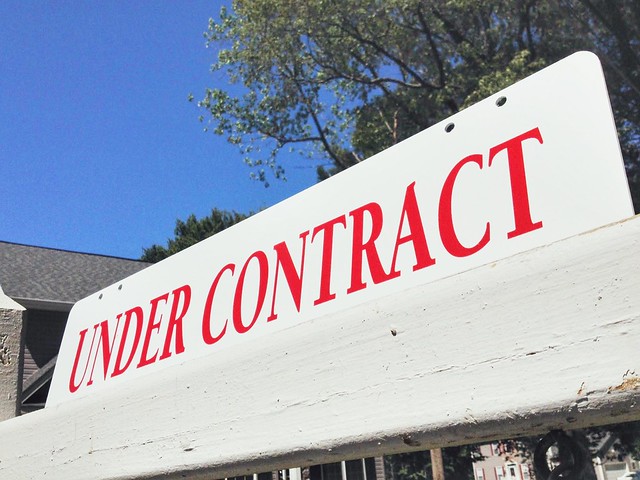
A real estate sign reading 'UNDER CONTRACT' against a blue sky.

New Home Sales Beat Expectations In December


Falling temperatures and higher mortgage rates did nothing to slow new home sales in December, according to numbers recently released by the U.S. Census Bureau and the Department of Housing and Urban Development. New home sales defied expectations and rose nearly 12 percent from the month before. The increase pushed sales to their highest level since March and beat economists’ predicted pace by almost 100,000 units. At a time of year when home sales typically slow, the sales surge is an encouraging sign. It’s also evidence that buyer demand remains high, despite a challenging market. Also in the report, the median sales price of new houses sold in December was $377,700, up 3.4 percent from one year ago. The average sales price was $457,300. There were 403,000 new homes for sale at the end of the month. That represents a 6-month supply at the current sales pace. (source)

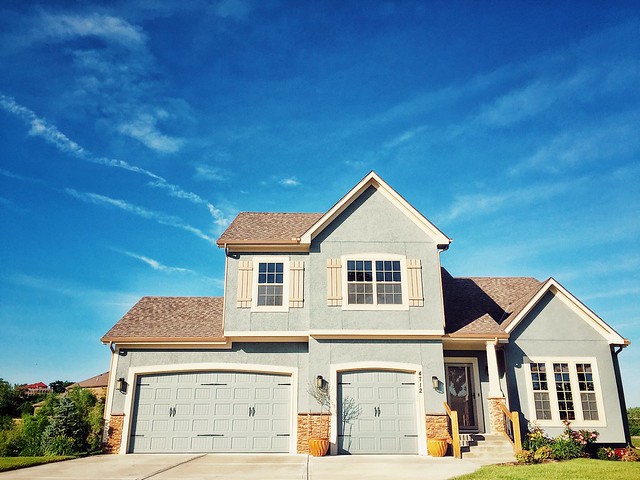
Two-story suburban house with a double garage under a clear blue sky.

Outlook Sees Market Settling Into New Normal

There are few things that haven’t been affected by the pandemic over the past two years. Almost everything about the way we live has changed in one way or the other. That, of course, is especially true of the housing market and economy. The pandemic upset the long-term trends of supply and demand and made it much more difficult to predict where markets might be headed in the weeks and months ahead. But now that we’re two years into it, the pandemic and its effects are a little more predictable and, according to the latest forecast from Fannie Mae’s Economic and Strategic Research Group, it may mean we’re beginning to settle into a new normal. “The ESR Group expects inflation to remain elevated in 2022, while still unknown is the extent to which structural shifts in the economy and housing market over the past two years become permanent,” the forecast reads. “However, the ESR Group foresees economic growth returning to more modest levels consistent with the long-run trend, while home sales and house price growth slow to a more sustainable pace.” In other words, while things are still somewhat unpredictable, there’s a growing expectation that the volatility of the past two years may finally be coming to an end. (source)

Houses

Thank you for your upload