

Banner
Menu

New Home Market Continues Gains


Sales of newly built, single-family homes rose 3.6 percent in December, according to new numbers from the U.S. Census Bureau and the Department of Housing and Urban Development. The improvement pushed new home sales 6.7 percent higher than they were one year earlier and comes after an upward revision of November’s results. In other words, the new home market continues to make gains despite the seasonal patterns, elevated mortgage rates, and higher home prices which should be suppressing sales. That’s good news for buyers, as a strong new home market can help alleviate some of the challenges currently plaguing the market for existing homes. How? Well, when Americans are buying new homes, builders build more, which helps the overall supply of available homes for sale. That provides choices for buyers, which reduces buyer competition, bidding wars, and price increases for homes both old and new. (source)

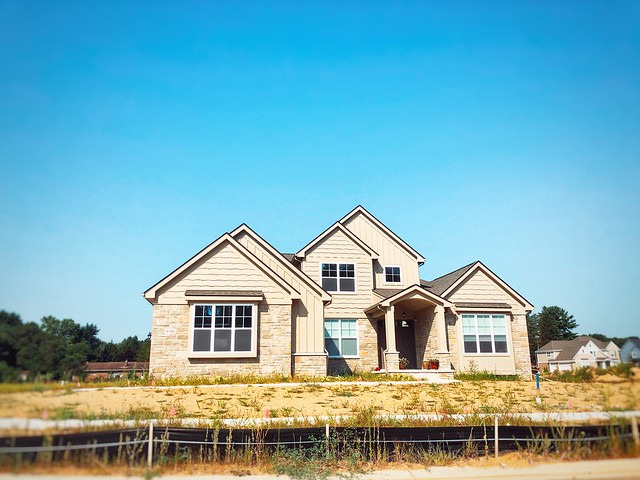
A modern beige house under a clear blue sky in a spacious yard.

Sales Of Previously Owned Homes Up In December


New numbers from the National Association of Realtors show sales of previously owned homes rose 2.2 percent in December from one month earlier. The improvement pushed sales to their strongest pace since February 2024 and led to the largest year-over-year gain since June 2021. Regionally, sales increased everywhere but the Midwest, which saw a 1 percent month-over-month decline. Lawrence Yun, NAR’s chief economist, says existing-home sales have defied typical seasonal patterns. “Home sales in the final months of the year showed solid recovery despite elevated mortgage rates,†Yun said. “Home sales during the winter are typically softer than the spring and summer, but momentum is rising with sales climbing year-over-year for three straight months.†Also in the report, total housing inventory is now up 16.2 percent from one year ago, putting current unsold inventory at a 3.3-month supply. A six-month supply is generally considered healthy for the market. (source)

Close-up of a 'For Sale' sign outdoors with trees in the background.

Market Holding Pattern Likely To Continue


The housing market is in a holding pattern, according to the latest forecast from Fannie Mae’s Economic and Strategic Research Group. Market conditions are improving – but slowly. As a result, home buyers remain hesitant even though price increases have calmed and there are more homes for sale. Mark Palim, Fannie Mae’s senior vice president and chief economist, says market conditions aren’t likely to change much this year but there is a silver lining. “Due to lock-in effect and affordability constraints, we currently expect another year of sluggish existing home sales,†Palim said. “A silver lining for affordability is that we also anticipate income growth will outpace both home price and rent growth this year – and in many markets, new homes are now priced competitively with existing homes and are far more available.†The group expects home price increases will continue to slow this year and mortgage rates will fall, though the decline will be less than previously expected. (source)

Upward view of a white house with large windows and a clear blue sky.

Average Rates Mostly Down From Week Before


According to the Mortgage Bankers Association’s Weekly Application Survey, average mortgage rates saw a slight decline last week from the week before. Rates were down for 30-year fixed-rate loans with both conforming and jumbo balances and loans backed by the Federal Housing Administration, while rates for 15-year fixed-rate loans were flat, and 5/1 ARMs saw a week-over-week increase. Mike Fratantoni, MBA’s senior vice president and chief economist, says demand for mortgage applications improved. “Mortgage application volume was little changed last week, but there was a small increase in conventional purchase volume, which brought the level of total purchase volume up almost 2 percent above last year at this time,†Fratantoni said. Week over week, refinance activity slowed 3 percent and total mortgage loan application volume was up 0.1 percent. The MBA’s weekly survey has been conducted since 1990 and covers 75 percent of all retail residential mortgage applications. (source)

A bold red arrow pointing downward on a light background.

Number Of Extra Bedrooms Hits Record High


Deciding how many bedrooms you’d like in your next home isn’t always just about your family’s sleeping arrangement. Bedrooms, after all, can be converted into many uses. Home offices, for example. Perhaps that’s why Americans now have more extra bedrooms than they’ve ever had before. A new report from the National Association of Realtors’ consumer website found the number of extra bedrooms in the U.S. hit 31.9 million in 2023. That’s more than four times the number of extra bedrooms reported in 1980. Back then, there were just seven million extra bedrooms. Danielle Hale, the website’s chief economist, says the number of bedrooms has been rising while persons per household has fallen. “Since the 1980s, we have seen the average number of bedrooms per home increase, and maybe more importantly, the number of persons per household has declined, creating an environment where we see both the largest number of extra bedrooms and the largest share of extra bedrooms, even with Americans using spare rooms as offices.†(source)

Minimalist bedroom with tufted headboard and hanging glass pendant lights.

Housing Market Faces Balancing Act In 2025


According to Fannie Mae’s most recent Home Price Index, home prices accelerated in the fourth quarter of 2024 after slowing the previous two quarters. The year-over-year acceleration was slight but highlights the delicate balancing act the housing market faces in 2025. Mark Palim, Fannie Mae’s senior vice president and chief economist, says the market is caught between competing factors. “The housing market in 2025 faces a difficult balance act, with a notable decline in mortgage rates likely needed to help unwind the lock-in effect and thaw the supply of existing homes for sale,†Palim said. “However, we believe such a decline would likely jumpstart demand from potential first-time home buyers currently waiting to purchase, which could lead demand to outpace any improvement in supply, further exacerbating already-high home prices and purchase affordability.†Put another way, when mortgage rates fall and affordability improves, buyers will return and – if enough of them do – it will end up putting upward pressure on prices, reducing the impact of any initial improvement. (source)

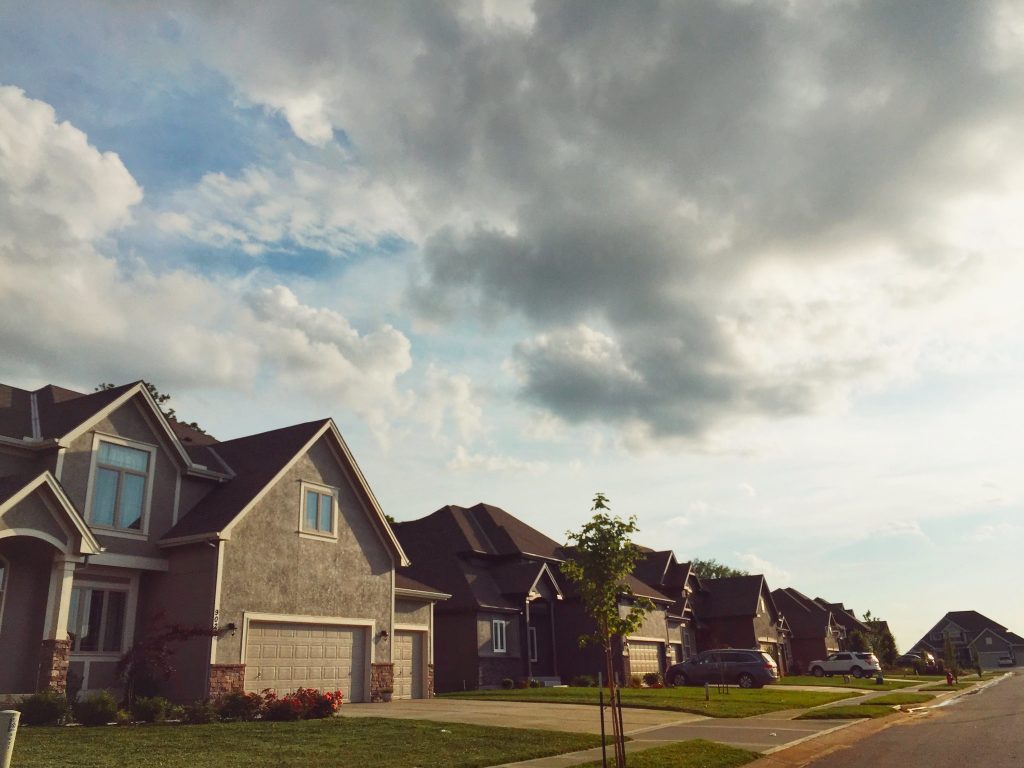
A suburban neighborhood with houses under a cloudy sky.

Home Builder Confidence Improves Despite Challenges


The National Association of Home Builders surveys builders each month to gauge their confidence in the market for newly built, single-family homes. Survey responses are scored on a scale where any number above 50 indicates more builders view conditions as good than poor. In January, the NAHB’s Housing Market Index rose one point from the previous month to 47. Robert Dietz, NAHB’s chief economist, says the market is facing offsetting factors. “NAHB is forecasting a slight gain for single-family housing starts in 2025, as the market faces offsetting upside and downside risks from an improving regulatory outlook and ongoing elevated interest rates,†Dietz said. “And while ongoing, but slower easing from the Federal Reserve should help financing for private builders currently squeezed out of some local markets, builders report cancellations are climbing as a direct result of mortgage rates rising …†Despite rising rates, though, the index component measuring builders’ expectations for the next six months scored a 60 in January, indicating more home builders are optimistic about the market’s future than not. (source)

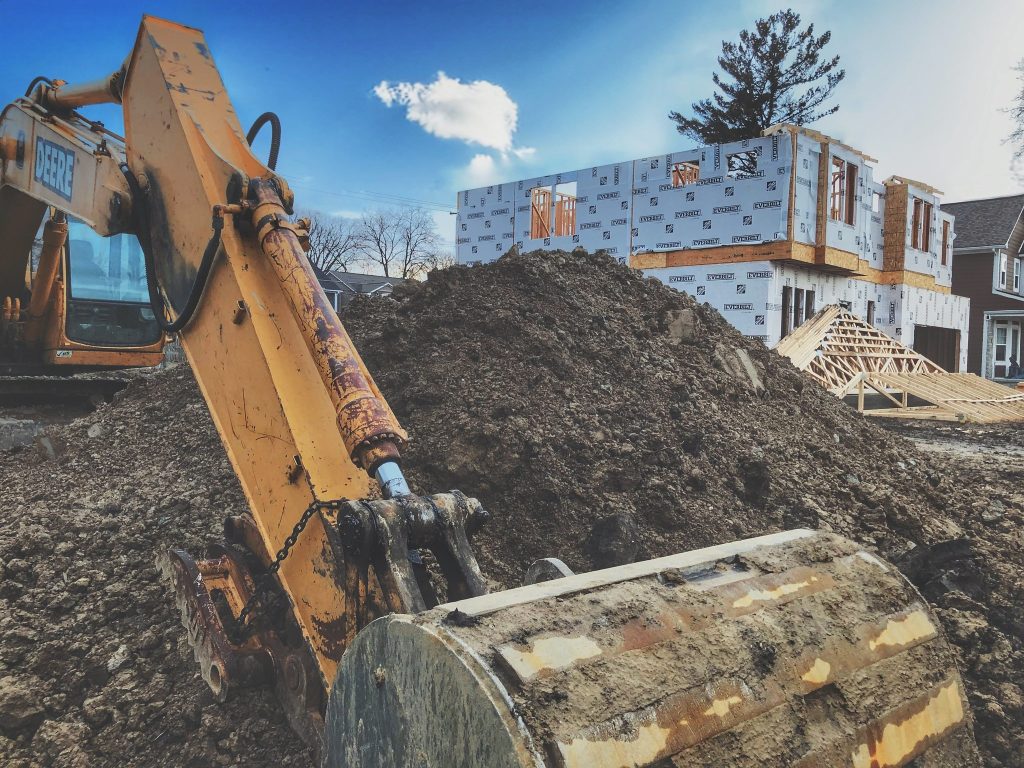
Excavator bucket digging soil near a building under construction.

Skyrocketing Demand May Be Sign Of The Season


According to the Mortgage Bankers Association’s Weekly Applications Survey, demand for mortgage applications skyrocketed last week. The MBA’s Market Composite Index – which measures both refinance and purchase demand – was up 33.3 percent from one week earlier. Joel Kan, MBA’s vice president and chief economist, says the spike may be due to seasonal volatility. “This time of the year is a particularly volatile time for application volumes, so it can be more helpful to focus on the level rather than the percentage change,†Kan said. “Purchase applications were 2 percent lower, and refinances were 22 percent higher compared to a year ago.†Also in the report, average mortgage rates continue to climb, as economic concerns over inflation and budget deficits persists. Last week, rates were up for 30-year fixed-rate loans with both conforming and jumbo balances, loans backed by the Federal Housing Administration, and 5/1 ARMs. The MBA’s weekly survey has been conducted since 1990 and covers 75 percent of all retail residential mortgage applications. (source)

Bright yellow arrow painted on a rough, sandy surface pointing upward.

What Would You Overlook In A Home For Sale?


The average age of first-time home buyers is rising. Last year, it was 38 years old – up three years from 35 years old in 2023. The reason is simple. Buying a home has become more expensive and younger buyers face financial challenges older, repeat buyers don’t. Having to save a down payment from scratch, for example. That’s caused the average American to wait a little longer before becoming a homeowner. It’s also caused millennial buyers to consider overlooking a home’s issues in order to buy sooner. What are some of the things millennial home buyers say they’re willing to overlook in a home for sale? Well, according to a new survey, quite a lot. Topping the list of issues millennials are willing to overlook was a house that smells like cigarette smoke. Fifty-seven percent said they’d buy a smokey home. Asbestos was next on the list with 41 percent of respondents saying they’d buy a house that contained the toxic material. Other notable items younger buyers are willing to overlook included pests, a leaky roof, foundation issues, termites, crime, and mold. (source)

Historic houses with large trees under a clear blue sky.

Homeowners Spent More Than $5,000 On Repairs Last Year


When you buy a home, you become a property manager. Which means you’re responsible for the home’s maintenance and upkeep. Everything from cutting the lawn and pulling weeds to maintaining the HVAC system is now your responsibility. It can take some work. It also takes some money. In fact, according to one new survey, 46 percent of homeowners said they spent more than $5,000 last year on unexpected repairs. That’s a 10 percent jump from the year before and pretty good evidence that new homeowners should prepare an emergency fund to handle any trouble that may come along. And it will. Among surveyed homeowners, 83 percent said they encountered an unexpected repair last year and almost half said it strained their household budget. Among the most commonly reported issues, roof repairs, door and window problems, and water damage from flooding led the list. (source)

A rusty claw hammer with a wooden handle.

Thank you for your upload