

Banner
Menu

New Home Construction Is Surging


Whether you’re shopping for a new home or not, the number of new homes being built should matter to you as a home buyer – especially at a time when the inventory of homes for sale is low. That’s because new home construction is the fastest way to add to the supply of available homes for sale, and more homes for sale means less competition among buyers and fewer price spikes. In other words, new home construction can ease affordability conditions for all buyers, even ones shopping for an older home. That’s why the latest residential construction numbers from the U.S. Census Bureau and the Department of Housing and Urban Development are good for buyers. According to the most recent statistics, single-family housing starts were up 18 percent in November from the month before. When including multi-family construction, starts were up nearly 15 percent month-over-month and are now 9.3 percent higher than year-before levels. Put simply, new home construction is surging and that’s a good sign that more supply and a calmer market may be on the way in 2024. (source)

Close-up of a vintage claw hammer with a worn wooden handle.

Builder Sentiment Rises As Rates Come Down


Home builders have a unique perspective on the housing market. After all, to be successful, they have to know what buyers are looking for, when they’re looking, and where they want to live. Because of this they can be an excellent gauge of the health of the housing market. That’s why the National Association of Home Builders takes a monthly measure of builder confidence. Its Housing Market Index surveys builders and scores their responses on a scale where any number above 50 indicates more builders view conditions as good than poor. In December, the Index scored a 37, up three points from the month before. Alicia Huey, NAHB’s chairman, says falling mortgage rates led to the first increase in four months. “With mortgage rates down roughly 50 basis points over the past month, builders are reporting an uptick in traffic as some prospective buyers who previously felt priced out of the market are taking a second look,†Huey said. Among the index components, the gauge of future sales expectations saw the biggest rebound, rising six points to 45. (source)

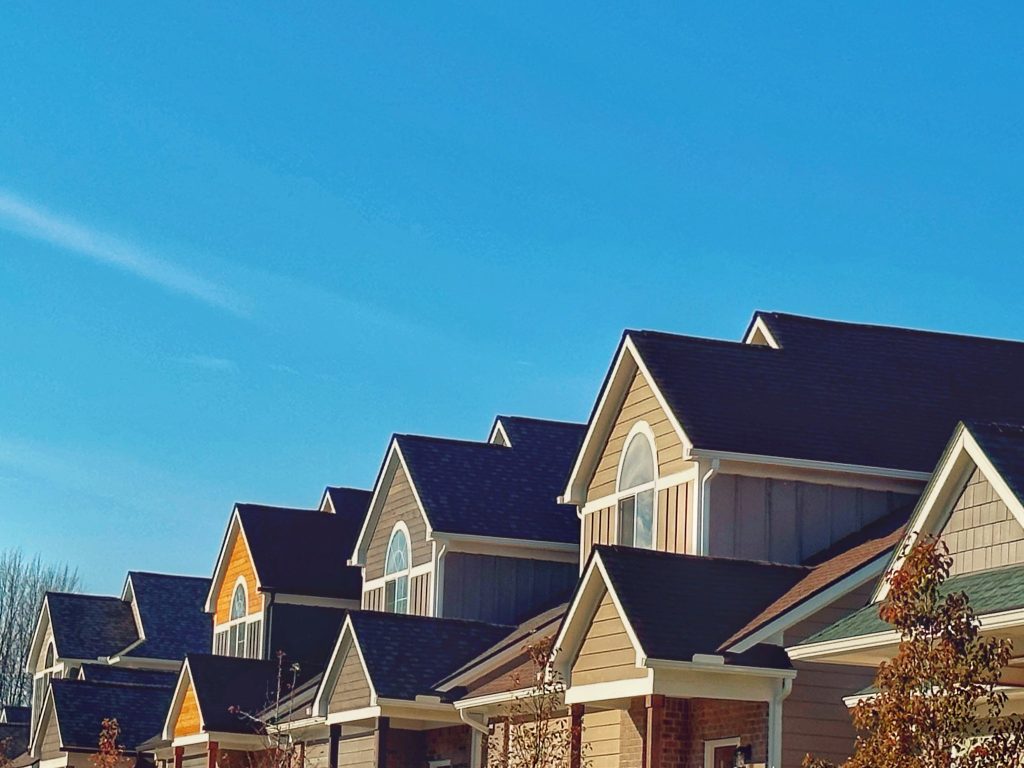
Row of suburban houses under a clear blue sky.

Inventory Of Homes For Sale Improves


The number of homes for sale is beginning to show signs of improvement – even as we approach the time of year when things begin to slow down. That’s good news for buyers who have been faced with a lower-than-normal number of listings over the past few years. Put simply, as the number of available homes rebounds, home buyers will see less competition, fewer bidding wars, and slower price growth. So what do the numbers look like? Well, according to a new report from the National Association of Realtors’ consumer website, active listings have been rising for five-straight weeks, including a 4 percent year-over-year improvement in the most recent data. Similarly, new listings have also been growing. The number of sellers putting their homes up for sale was up nearly 7 percent and has been above year-before levels now for seven straight weeks. Still, though inventory has been showing signs of life, it remains lower than normal. It also is expected to slow down as winter takes hold. But the gains are an encouraging sign and could be an indication that further improvement can be expected as spring approaches. (source)

Sign indicating a home is for sale in front of a house.

Expert Panel Sees Price Increases Slowing In 2024


Home prices continued to rise in 2023. In fact, according to a panel of housing market experts surveyed by Fannie Mae, home price growth is expected to come in just under 6 percent for the year. That’s lower than the double-digit increases seen during the pandemic but still surprisingly steady. Doug Duncan, Fannie Mae’s senior vice president and chief economist, says higher rates were expected to slow prices more than they did. “Some, including us, had expected the rapid and significant rise in mortgage rates in 2023 to have dampened purchase demand further than it has, putting more downward pressure on home prices this past year than what appears to have occurred,†Duncan said. But while prices didn’t slow as much as expected, they will continue to moderate in 2024. Survey respondents said they expect slower growth next year and the year after, with a roughly 2.5 percent increase in both 2024 and 2025. That, along with an expected drop in rates, should help buyer affordability in the new year and beyond. (source)

Close-up of a red dollar sign on textured material.

Mortgage Rates Fall To Lowest Level Since July


According to the Mortgage Bankers Association’s Weekly Applications Survey, average mortgage rates fell again last week. It was the fourth consecutive weekly decline and brought rates to the lowest level since July. Decreases were seen for 30-year fixed-rate loans with both conforming and jumbo balances, loans backed by the Federal Housing Administration, 15-year fixed-rate loans, and 5/1 ARMs. Mike Fratantoni, MBA’s senior vice president and chief economist, says economic indicators are bringing rates down. “Mortgage rates dropped last week, as incoming data point to a slowing economy and support a pivot by the Federal Reserve to begin cutting rates next year,†Fratantoni said. With rates trending downward, there’s been a bump in demand for mortgage applications. Last week, demand for refinance and purchase loans rose 7.4 percent from the week before, with a 4 percent increase in demand for loans to buy homes. The MBA’s weekly survey has been conducted since 1990 and covers 75 percent of all retail residential mortgage applications. (source)

White downward arrow on a red square sign against a purple wall.

New Home Construction Slows, Moves to The Exurbs


The new home market benefited from a lack of existing homes for sale in 2023. Low inventory of previously owned homes meant many buyers turned to new homes when looking for options to buy. That was an opportunity for home builders. Now, according to a new report from the National Association of Home Builders, new home construction has begun to slow due to elevated rates, climbing costs, and labor shortages. Robert Dietz, NAHB’s chief economist, thinks it’ll rebound quickly. “The data continues to show that home building has slowed, but there are signs that it is beginning to turn a corner heading into the end of the year as the Federal Reserve has paused rate hikes as inflation continues to slow,†Dietz said. So where are the most new homes being built these days? Well, between the second and third quarter of this year, large-metro outlying counties posted the largest increase in single-family market share. That means construction was increasingly moving to the exurbs, the area beyond the suburbs, even as overall construction slowed. (source)

A house with a dark roof behind dry bushes under a clear blue sky.

What The Median Mortgage Payment Looks Like Now


Your mortgage payment will be among your biggest monthly bills. That makes it an important number to familiarize yourself with before buying a house. After all, no one wants to buy a house that will lead to financial stress and money worries. So what does the median mortgage payment look like now? Well, according to the most recent numbers from the Mortgage Bankers Association’s Purchase Applications Payment Index, the median payment applied for by purchase applicants increased to $2,199 in October from $2,155 the month before. The $44 increase was mostly due to rising mortgage rates during the month. Since then, however, rates have been falling, which means improvement is on the way. Edward Seiler, MBA’s associate vice president of Housing Economics and executive director of the Research Institute for Housing America, says it’ll happen early next year. “Home buyer affordability conditions declined further in October, with the jump in mortgage rates during the month,†Seiler said. “MBA expects affordability conditions to remain challenging to close out 2023 before a slight improvement by early next year.†(source)

Close-up of various US dollar bills featuring different historical figures.

Where Are The Country’s Strongest Markets?


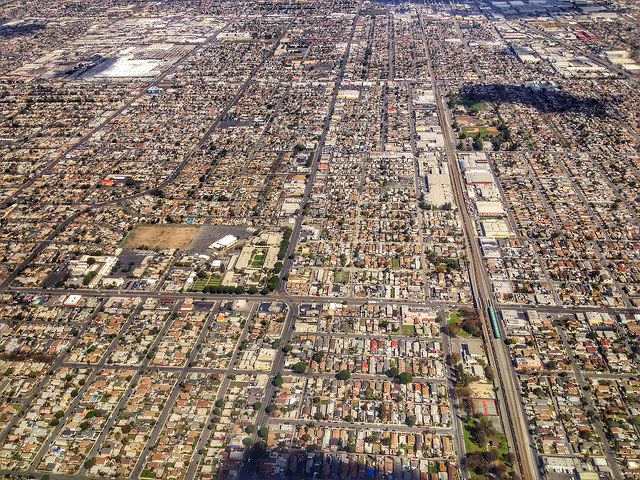
A new report from ATTOM Data Solutions looks at affordability, foreclosures, and underwater mortgages in an effort to determine which housing markets across the country are most vulnerable to decline. Its findings provide a map of exactly where the housing market is strongest and where there may be weaknesses. So where are the country’s strongest markets? Well, the report shows the vast majority of the country is on good footing. Among the 578 included counties, the South was the strongest region with 18 of the 50 least vulnerable markets. Tennessee alone had seven of the 50 strongest housing markets. The Midwest followed with 13, while 12 were located in states across New England. The weakest markets were located in the New York and Chicago metro areas, along with central California. Rob Barber, ATTOM’s CEO, says even the most at-risk markets aren’t at risk of a crash. “It is important to stress that getting onto the most-vulnerable list doesn’t signal an imminent crash for any local market,†Barber said. “It just means that they have greater potential tripwires that could lead to a decline.†(source)

Aerial view of a sprawling urban area with grid-like street patterns.

Americans’ View Of Housing Market Stays Unchanged

Fannie Mae’s monthly Home Purchase Sentiment Index is based on a survey which asks Americans for their view of the housing market and their personal financial situation. The survey gauges how respondents feel about buying or selling a home, mortgage rates, home prices, their job security, and income. In November, the index was relatively unchanged, as Americans’ perception of the market has remained stuck since the first half of the year. A majority of respondents still say they believe it’s a good time to sell a home, but the number who say it’s time to buy remains low. A rising number of participants see mortgage rates falling over the next 12 months, but home price expectations were relatively unchanged, with 41 percent saying they believe prices will rise. Doug Duncan, Fannie Mae’s senior vice president and chief economist, says sentiment will likely remain low until the number of homes for sale rises. “The lack of housing inventory is likely to remain a challenge for some time, and home purchase sentiment may continue to be suppressed as a result,” Duncan said. “As our forecast indicates, we believe it will be a couple years before home sales return to more normal, pre-pandemic levels.” (source)

Sold-16

Average Mortgage Rates Now At 4-Month Low


According to the Mortgage Bankers Association’s Weekly Applications Survey, average mortgage rates fell again last week. Rates were down across all loan categories, including 30-year fixed-rate loans with both conforming and jumbo balances, loans backed by the Federal Housing Administration, 15-year fixed-rate loans, and 5/1 ARMs. Joel Kan, MBA’s vice president and deputy chief economist, says rates are now at a four-month low. “Mortgage rates declined last week with the 30-year fixed-rate mortgage falling to … the lowest level since August 2023,†Kan said. “Slower inflation and financial markets anticipating the potential end of the Fed’s hiking cycle are both behind the recent decline in rates.†Lower rates have boosted demand for mortgage applications, with the MBA’s Market Composite Index – which measures both purchase and refinance activity – up 2.8 percent from the week before. The MBA’s survey has been conducted weekly since 1990 and covers 75 percent of all retail residential mortgage applications. (source)

Close-up of a black percentage symbol on a light background.

Thank you for your upload