

Banner
Menu

Low Supply Keeps Homes Selling Quickly

The housing market has shifted. Higher rates, slower demand, and economic uncertainty have cooled the pace of the once hot market. But while a lot has changed, a lot has also stayed the same. For example, according to the National Association of Realtors, homes are still selling quickly and prices continue to rise – even if they have improved from last year. The NAR found the typical home was on the market just 19 days in September. That’s an improvement from 17 days last year at this time, but still a fast pace. Similarly, the median existing-home price has improved after hitting $413,800 in June. In September, it was $384,000, which is better for buyers but remains 8.4 percent higher than last September when it was $355,000. The problem, simply put, is a lack of available homes for sale. Lawrence Yun, NAR’s chief economist, says that’s among the main differences between this market downturn and the last. “The current lack of supply underscores the vast contrast with the previous major market downturn from 2008 to 2010, when inventory levels were four times higher than they are today,” Yun said. (source)
For-Sale-30

New Home Construction Shows Signs Of Slowing


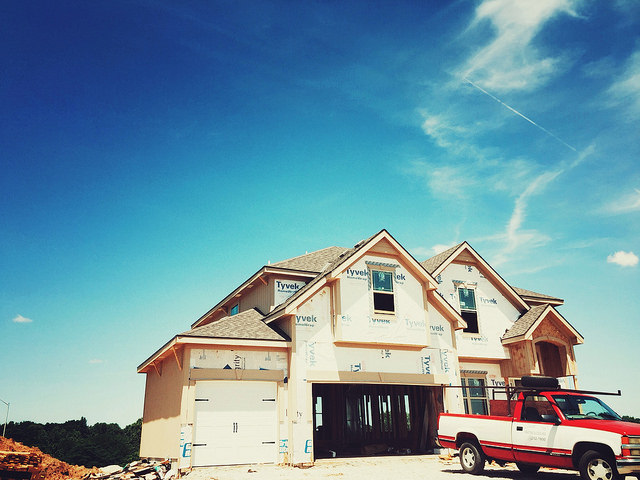
Every month, the National Association of Home Builders’ Housing Market Index and the new residential construction numbers from the U.S. Census Bureau and the Department of Housing and Urban Development are released. The two reports give us a view of how home builders are feeling and how many new homes they’re building. According to this month’s data, new home construction is showing signs of slowing. In fact, the number of homes that began construction during the month of September was 4.7 percent lower than the month before. Similarly, the NAHB’s index – which measures builders’ perceptions of the new home market – fell for the tenth consecutive month, indicating home builders are feeling less optimistic about the market. So what’s behind the declines? Jerry Konter, NAHB’s chairman, says higher mortgage rates. “High mortgage rates … have significantly weakened demand, particularly for first-time and first-generation prospective home buyers,†Konter said. With buyer demand down, home builders are feeling less confident in the market and have begun to slow plans for future new home construction. (source)

A suburban house with a clear blue sky.

Higher Mortgage Rates Push Interest In ARMs


According to the Mortgage Bankers Association’s Weekly Applications Survey, average mortgage rates rose again last week, with increases seen for 30-year fixed-rate loans with both conforming and jumbo balances, loans backed by the Federal Housing Administration, and 5/1 ARMs. Rates for 15-year fixed-rate loans saw the week’s only decline. With rates continuing to move higher, demand for mortgage loan applications fell. Joel Kan, MBA’s vice president and deputy chief economist, says higher rates have pushed borrower interest in adjustable-rate mortgages. “The speed and level to which rates have climbed this year have greatly reduced refinance activity and exacerbated existing affordability challenges in the purchase market,†Kan said. “With rates at these high levels, the ARM share rose to 12.8 percent of all applications, which was the highest share since March 2008. ARM loans continue to remain a viable option for borrowers who are still trying to find ways to reduce their monthly payments.†The MBA’s weekly survey has been conducted since 1990 and covers 75 percent of all retail residential mortgage applications. (source)

Close-up of a black percentage symbol on a light background.

What’s Ahead For Home Prices?


These days, everyone has questions about the housing market. Conditions changed rapidly earlier in the year and potential home buyers and sellers are wondering what’s next. Well, according to one recent analysis from Fannie Mae, lower prices are likely. Fannie Mae’s most recent Home Price Index found home prices slowed during the third quarter of this year, with quarter-over-quarter numbers showing a 0.2 percent increase. Doug Duncan, Fannie Mae’s senior vice president and chief economist, says he expects more of the same in the weeks ahead. “Year-over-year home price growth decelerated in the third quarter, as the sharp rise in mortgage rates – and declining housing affordability – appears to have weighed further on demand,†Duncan said. “In addition to the greater affordability constraints for potential home buyers, many existing homeowners likely feel ‘locked-in’ to their existing, lower interest-rate mortgages. This contributes to fewer homes being listed, as well as fewer potential buyers, and may lead to a growing share of listings have to cut prices to meet the reduced demand … We expect these trends to continue in the coming months.†(source)

Sunny suburban neighborhood with modern houses and clear blue sky.

Americans Still Looking For Perfect Home


Home buyers have money on their mind. They’re concerned about rising costs, inflation, and the price of homes. But, according to one recent survey, despite those concerns, they’re still committed to finding the perfect house. In fact, 81 percent of respondents said they think finding the perfect “forever†home was the most important factor when buying a home. Participants said the market’s current challenges haven’t stopped them from looking for it, even if it means needing financial help, changing expectations, or extending their timeline. In other words, today’s home buyers recognize the market has changed and are willing to change right along with it. Participants said they’re even open to moving to another state, with younger buyers especially interested in relocating somewhere they can get the most bang for their buck. Nearly half of millennial respondents said they’d move to another state for better pay and a more affordable cost of living. Similarly, 41 percent of both Gen X and Gen Z respondents said they’d be willing to relocate. (source)

Beautiful two-story white house with a well-kept garden and colorful planters.

First-Time Buyers Return To The Market


The past several years have been tough for first-time home buyers. The inventory shortage that kept buyers fighting over too few homes for sale was particularly pronounced on the affordable end of the market. That meant, rising prices and few options for younger Americans looking to purchase their first house. These days, though, things seem to be turning around. For one, the share of first-time home buyers has spiked, from 37 percent of all buyers last year to 45 percent more recently, according to one new survey. What’s behind the improvement? For one, higher mortgage rates aren’t as much of a factor. Homeowners considering a move may hesitate because they locked in a better mortgage rate on their current home. First timers are more likely to be comparing their current rent payment to their prospective monthly mortgage payment. Younger buyers are also benefiting from the increase in available inventory. More homes for sale means better options, more time, and less competition – all of which may be contributing to the recent increase in active first-time buyers. (source)

Chimney on a rooftop under a clear blue sky with faint clouds.

Americans Say It’s A Good Time To Sell


Fannie Mae conducts a monthly survey of Americans to gauge public perception of the housing market and economy. The survey asks participants whether they think now is a good or bad time to buy a home, if they think mortgage rates will rise or fall in the next year, and about home prices, their personal financial situation, and job security. According to the results of the most recent survey, respondents are still feeling cautious about the current market, though a majority say it’s a good time to sell a house. In fact, 59 percent of Americans feel now is a good time to sell. Doug Duncan, Fannie Mae’s senior vice president and chief economist, says buyers aren’t feeling as optimistic. “As long as supply is limited and affordability pressures continue to constrain potential home buyers via elevated home prices and mortgage rates, we expect home sales will remain sluggish,†Duncan said. (source)

Bright blue house with white accents under a clear sky.

Mortgage Rates Higher In Latest Survey


According to the Mortgage Bankers Association’s Weekly Applications Survey, average mortgage rates moved higher last week. Rates increased from the week before across all loan categories, including 30-year fixed-rate loans with both conforming and jumbo balances, loans backed by the Federal Housing Administration, 15-year fixed-rate loans, and 5/1 ARMs. The increases contributed to a 2 percent decline in demand for home purchase loans. Mike Fratantoni, MBA’s senior vice president and chief economist, says higher rates have slowed demand. “Application volumes for both refinancing and home purchases declined and continue to fall further behind last year’s record levels,†Fratantoni said. “The news that job growth and wage growth continued in September is positive for the housing market, as higher incomes support housing demand.†Last week, overall demand for mortgage applications was 2 percent lower than the week before. The MBA’s weekly survey covers 75 percent of all retail residential mortgage applications and has been conducted since 1990. (source)

Close-up of a black percentage symbol on a textured beige background.

What Is The Best Day To Buy A House?


Home buyers hoping to buy without busting their budget may be in luck. Because though mortgage rates continue to climb and prices remain high, the best days to buy a home are ahead of us, according to a new analysis from ATTOM Data Solutions. The analysis looked at 39 million single-family home and condo sales over the past nine years in an attempt to narrow down the days buyers get the best deal. The results show buyers who bought on November 28 paid the lowest premium at just 1.1 percent above market value, making it the best day to buy a home. December took five of the next six best days to buy, with premiums of 2 percent or lower on December 5, 26, 19, 12, and 24. Rick Sharga, executive vice president of market intelligence at ATTOM, says seasonality has always had an effect on prices. “Seasonality has always had an impact on home prices, which tend to weaken in the fall and winter months when there’s less buying activity,†Sharga said. “Savvy home buyers can take advantage of those lower prices and less competition from other buyers once the leaves start to turn.†(source)

A yellow and black sold sign hanging outdoors.

Inventory Of Homes For Sale Continues To Grow


The home price surge of the past few years was primarily caused by a lack of homes for sale. Too few options led buyers to fight for the homes that were available. Bidding wars and competition made for a challenging housing market, as inventory fell to historic lows. This year, though, things have begun to change. There are more homes available for sale than there were last year. In fact, according to new numbers from the National Association of Realtors’ consumer website, the number of homes for sale was up nearly 27 percent year-over-year in September. That’s about even with August’s rate of improvement. Danielle Hale, the website’s chief economist, says the gains have been fueled, in part, by favorable selling conditions and current homeowners can still benefit. “For homeowners deciding whether to make a move this year, remember that listing prices – while lower than a few months ago – remain higher than in prior years, so you’re still likely to find opportunities to cash-in on record-high levels of equity, particularly if you’ve owned your home for a longer period of time,†Hale said. (source)

Brick house with chimney under a clear blue sky beside a palm tree.

Thank you for your upload