

Banner
Menu

What Type Of Home Do First-Time Buyers Want?


First-time home buyers are an important demographic for the housing market. Historically speaking, they represent about 40 percent of buyers in any given year. Naturally, that means their wants and needs are important to anyone selling a home, including builders. So what type of home are first-time buyers looking for? Well, according to a recent presentation at the 2020 International Builders’ Show, there are some features and amenities large majorities of first-time home shoppers say they’d like in a house. For starters, 77 percent say they’d prefer to buy a single-family detached home, with nearly 60 percent saying they’d like it to be in the suburbs. An open floor plan, stainless steel appliances, and a laundry room on the first floor were among the other features that made the list. But though you might expect the needs of first-time buyers to be different from older house hunters, that isn’t necessarily the case. In fact, there were some items on their wish list that are popular with all buyers. For example, younger buyers said they wanted more storage, energy-star windows, and hardwood floors, which are perennial must haves for buyers of all ages. (source)
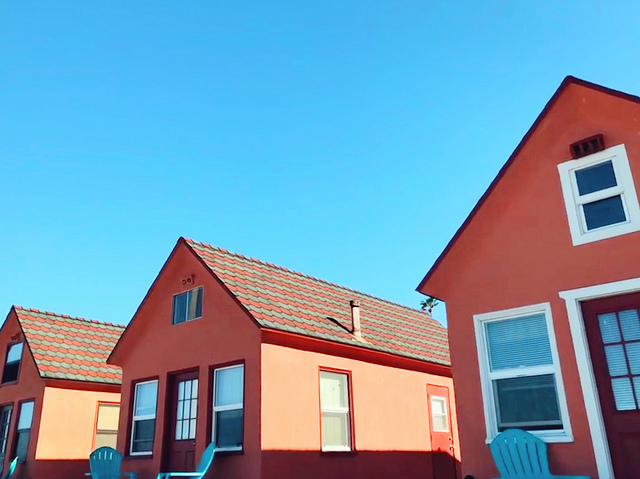

Bright red houses under a clear blue sky.

What To Know About Property Taxes


When thinking about the costs of homeownership, there are some big-ticket items that get most of the attention. But while prospective buyers focus on their potential mortgage payment, the price of the home, and possible renovations and maintenance projects, they’re less likely to think about property taxes. That’s a mistake, especially since taxes aren’t fixed and can vary depending on where you buy. In other words, it’s a good idea to investigate what the taxes will be on the home you’re thinking about purchasing. So what should home buyers expect to pay? Well, according to a new report from ATTOM Data Solutions, there were $306.4 billion levied on single-family homes in 2019. That’s up 1 percent from the year before and an average amount of $3,561 per home. Todd Teta, says though taxes went up, they rose less than usual last year. “Property taxes levied on homeowners rose again in 2019 across most of the country,†Teta said. “But the nationwide increase was the smallest in the last three years, a sign that cities, towns, and counties are taking stronger steps to clamp down on how much they hit up property owners to support schools and local government services.†The report found taxes highest in Illinois, New Jersey, Texas, Vermont, and Connecticut. Hawaii, Alabama, Colorado, Utah, and Nevada had the lowest effective property tax rates. (source)

Close-up of a dictionary page showing the word 'taxpayer' and its definition.

Mortgage Rates Increase As Demand Falls


According to the Mortgage Bankers Association’s Weekly Applications Survey, average mortgage rates were up last week for 30-year fixed-rate loans with both conforming and jumbo balances. Loans backed by the Federal Housing Administration and 15-year loans both saw rates decline. Combined with the impact of the coronavirus, the rate increases helped dampen demand for home purchase loans and led to a drop in refinance activity. Joel Kan, MBA’s associate vice president of economic and industry forecasting, said things will likely remain volatile for awhile. “Mortgage applications fell last week, as economic weakness and the surge in unemployment continues to weigh heavily on the housing market,†Kan said. “Refinance applications dropped 19 percent, reversing a 25 percent increase the week before. Given the ongoing rate volatility, along with the persistent lack of liquidity in certain sectors of the MBS market, we expect to see continued weekly swings in refinance activity.†The MBA’s weekly survey has been conducted since 1990 and covers 75 percent of all retail residential mortgage applications. (source)

A cracked yellow arrow painted on a dark surface pointing upward.


Home Buyers More Optimistic Than Sellers

Fannie Mae’s monthly Home Purchase Sentiment Index measures Americans’ perceptions of the housing market, buying and selling a home, prices, mortgage rates, and their personal financial situation. According to the March survey – conducted during the first three weeks of the month – Americans have become more cautious about their prospects. In fact, the impact of the coronavirus has caused housing-market sentiment to decline significantly from where it was in February, when it was near an all time high. “In March, the HPSI dropped to its lowest level since December 2016, with Americans reporting greater concern about their job security than at any point in the last six years,” Doug Duncan, Fannie Mae’s senior vice president and chief economist, said. But while concerns about job security jumped, the number of respondents who say it’s a good time to buy a house fell only 3 percent from the month before. Duncan believes this is due, in part, to low mortgage rates. The percentage of participants who said it was a good time to sell a home, on the other hand, took a bigger hit, falling from 67 percent to 52 percent month-over-month. (source)

How New Home Building Could Lead A Rebound

In times of economic uncertainty, the housing market has traditionally played a significant role in helping the country get back on its feet. There are many reasons for this, including the fact that real estate – unlike stocks and bonds – is a hard asset with intrinsic value. It also has the added benefit of helping to create jobs, taxes, and revenue. In fact, according to the National Association of Home Builders’ recent National Impact of Home Building and Remodeling report, building 1,000 average single-family homes creates 2,900 full-time jobs and generates $110 million in taxes and fees. NAHB chairman, Dean Mon, says he expects the housing market to help lead the economic rebound after the coronavirus crisis subsides. “Before the coronavirus pummeled the U.S. economy, housing was on the rise, with January and February new home sales numbers posting their highest reading since the Great Recession,” Mon said. “The demand is clearly there, and as this study shows, we expect housing will play its traditional role of helping to lead the economy out of recession later in 2020 when the pandemic subsides.” (source)

What Will Happen To The Spring Sales Season?


Spring is typically the housing market’s busiest season. Mostly, that’s because warmer weather and the chance for families to move and get settled in between school years makes it an opportune time to pack up and start somewhere new. This year, though, the coronavirus, social distancing, and stay-at-home orders have disrupted the start of the spring selling season. So what happens to all those potential buyers and sellers with plans to enter the market this spring? Well, according to Lawrence Yun, the National Association of Realtors’ chief economist, they’re more likely to put their plans on hold than to cancel them. “We are in uncertain times, but I do think that people who are staying at home right now, once the all-clear signal is given, will be going back into the market,†Yun told Housing Wire. In short, the housing market got off to a strong start this year and those buyers and sellers who were ready to make a move will still be ready once things return to normal. The combination of a market well positioned to weather the storm and a high level of pent-up demand means we can reasonably expect spring sales will be delayed till later in the year rather than canceled altogether. (source)

A bright yellow daffodil blooming against a white wall.

Inventory, Prices Slow As March Comes To A Close


The number of homes for sale has been lower than normal for some time now. A combination of homeowners staying in one place longer, fewer new homes being built, and increasing demand among buyers has caused for-sale inventory to lag and prices to climb higher. There was hope that those conditions would change this year. New residential construction was poised to make gains, add supply, and help moderate price increases. Then the coronavirus hit. Naturally, efforts to contain the virus will affect the housing market. But how? Well, according to new data from the National Association of Realtors’ consumer website, it’s still too soon to say but there are some early indications. For example, during the second half of March there were double digit drops in the number of newly listed homes for sale, with significant declines in areas like Phoenix, Milwaukee, and San Diego. Additionally, home prices grew at the slowest pace this year, with the median listing price just 2.5 percent higher than it was one year earlier. Still, prices continued to climb and, in some areas like Minneapolis, listings actually rose year-over-year. Overall, the data is consistent with a market slowdown, though future numbers will give a more complete look at where things stand. (source)

Tall trees frame a brick building under a blue sky with scattered clouds.

Mortgage Rate Drop Spurs Applications Rebound


According to the Mortgage Bankers Association’s Weekly Applications Survey, average mortgage rates fell last week from the week before. Rates were down for 30-year fixed-rate mortgages with conforming loan balances, loans backed by the Federal Housing Administration, and 15-year fixed-rate loans. The decline followed two straight weeks of increases and led to a rebound in demand for mortgage applications. In fact, refinance activity surged, climbing 26 percent from one week earlier. Joel Kan, MBA’s associate vice president of economic and industry forecasting, said the coronavirus is behind the volatility over the past few weeks. “Mortgage rates and applications continue to experience significant volatility from the economic and financial market uncertainty caused by the coronavirus crisis,†Kan said. “After two weeks of sizeable increases, mortgage rates dropped back to the lowest level in MBA’s survey, which in turn led to a 25 percent jump in refinance applications.†However, though refinance demand skyrocketed, purchase applications were down from the previous week. The MBA’s survey has been conducted since 1990 and covers 75 percent of all retail residential mortgage applications. (source)

Up arrow key on a keyboard with a vintage look.

S&P Index Finds Home Prices Rising


The S&P Case-Shiller Indices are considered to be among the leading measures of U.S. home prices. According to their most recent release, which covers data through January, home price increases were accelerating at the start of the year. In fact, their 20-city composite index was up 3.1 percent year-over-year, up from 2.8 percent the month before. Craig J. Lazzara, managing director and global head of index investment strategy at S&P Dow Jones Indices, says the increases were broad based. “Results for the month were broad based with gains in every city in our 20-city composite; 14 of the 20 cities saw accelerating prices,†Lazzara said. “As has been the case since mid-2019, after a long period of decelerating price increases, the national, 10-city, and 20-city composites all rose at a faster rate in January than they had done in December.†In other words, high buyer demand combined with a lower number of homes for sale had begun to push prices upward after an extended downward trend. However, Lazzara cautions that their data predates the effects of the coronavirus and the impact that it may have on home prices. (source)

Close-up of George Washington's portrait on a U.S. dollar bill.

Pending Home Sales Up Nearly 10% From Last Year


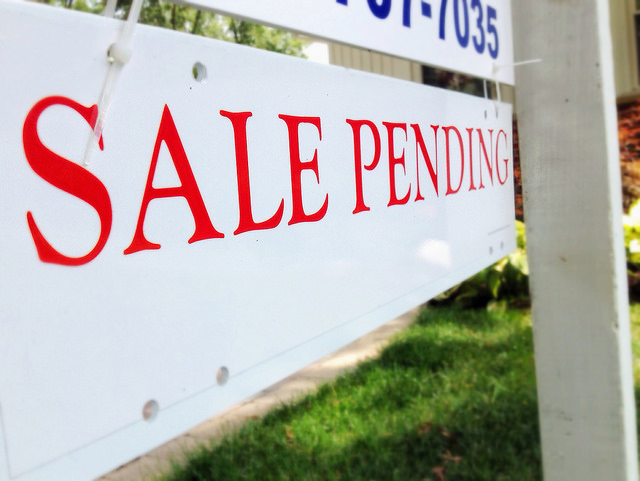
The number of signed contracts to buy homes was up 2.4 percent in February from the month before, according to new numbers from the National Association of Realtors. The improvement puts pending sales 9.4 percent higher than they were at the same time last year. An important indicator for the housing market, pending home sales refer to sales that are under contract but not yet closed. They’re a good predictor of future home sales, since contract signings typically take place weeks before closings. Lawrence Yun, NAR’s chief economist, says the improvement is evidence that the housing market was strong heading into the coronavirus shutdown. “February’s pending sales figures show the housing market had been very healthy prior to the coronavirus-induced shutdown,†Yun said. “Numbers in the coming weeks will show just how hard the housing market was hit, but I am optimistic that the upcoming stimulus package will lessen the economic damage and we may get a V-shaped robust recovery later in the year.†In short, Yun believes buyer demand will bounce back and home sales missed during the spring will simply be pushed to late summer or fall.

Close-up of a real estate sign showing 'Sale Pending'.

Thank you for your upload