

Banner
Menu

The Waning Popularity Of Two-Story Foyers


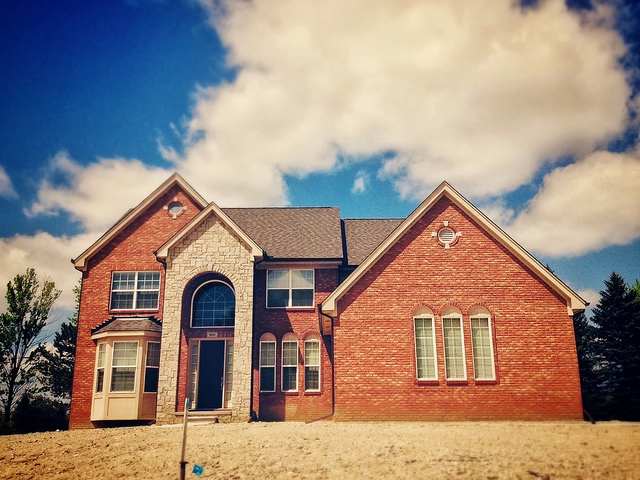
Like anything else, residential architecture is influenced by popular trends. Builders, designers, and architects want to build homes people want to buy, after all. But trends come and go. So what’s popular at one time is undesirable the next. Take two-story foyers as an example. A recent analysis done by the National Association of Home Builders looked at data from the US Census Bureau’s Survey of Construction and found that the share of new homes built with a two-story entranceway has been falling in recent years. This isn’t entirely surprising, as NAHB surveys since 2012 have shown builders and buyers both considered them an unwanted feature. The data confirms it, however. Two-story foyers aren’t as popular as they once were. In fact, according to the analysis, the number of new homes built with a grand entranceway fell 3 percent in 2018 from the year before. Additionally, the share of two-story foyers fell in seven of nine regional divisions, with the feature found in as few as 12 percent of new homes built in New England. But though they’ve fallen in popularity, how much so depends on where and who you are. For example, two-story foyers were found in 42 percent of new homes in the West South Central division, which includes Texas, Louisiana, Oklahoma, and Arkansas. They are also more popular with millennials than they were with older buyers. (source)
A large red brick house under a partly cloudy sky.

Why Americans Are Staying In Their Homes Longer


The length of time the average homeowner lives in their house has been increasing over the past decade. In fact, one recent analysis found that the average length of homeownership has reached 13 years, which is five years longer than it was in 2010. So why are Americans staying in their homes longer than they used to? Well, one theory is that buyers who locked in a low mortgage rate are now reluctant to sell. But rates are still historically low. Not to mention, last year’s refinance boom is a good indication that homeowners understand that the rate they lock in when they buy their home isn’t necessarily going to be theirs forever. According to a new article from Housing Wire, there may be another reason. Logan Mohtashami writes that the reason people aren’t moving as often as they used to may have more to do with their needs. “If it is generally true that people move when they need to, then it is also true that people don’t move when they don’t need to,†Mohtashami writes. In short, homes have been getting bigger for decades while families have gotten smaller. That means, homeowners – who, in the past, may’ve moved to accommodate a growing family – now stay put since they have enough space to satisfy their needs.  source

Mediterranean-style house with terracotta roof tiles and blue shutters.

Is It More Affordable To Rent Or Buy?


It’s often assumed that renting is cheaper than buying. After all, there are fewer upfront costs and less of a financial commitment. But is it really more affordable? Well, according to ATTOM Data Solutions, it depends. Their 2020 Rental Affordability Report looked at 855 U.S. counties to determine whether it’s more affordable to buy a median-priced, three-bedroom home or to rent a three-bedroom property. What they found was that, in 53 percent of analyzed counties, buying was the better deal. “Homeownership is a better deal than renting for the average wage earner in a slim majority of U.S. housing markets,†Todd Teta, ATTOM’s chief product officer, said. “However, there are distinct difference between different places, depending on the size and location from core metro areas.†In short, the more populated an area, the more likely it is that buying a home will be financially challenging. The good news for potential home buyers, though, is that falling mortgage rates are helping moderate affordability levels, even as home prices continue to rise.  source

A green 'For Sale' sign with bold white letters.

Mortgage Rates Down As New Year Begins


According to the Mortgage Bankers Association’s Weekly Applications Survey, average mortgage rates fell as 2019 came to a close. Rates were down at the end of the year for 30-year fixed-rate mortgages with both conforming and jumbo balances, loans backed by the Federal Housing Administration, and 15-year fixed-rate loans. And while the decline wasn’t enough to reignite refinance activity, demand for loans to buy homes was up after a seasonal adjustment. “The end of the year is the slowest time for home sales, so it is not at all surprising that activity was light,†Michael Fratantoni, MBA’s senior vice president and chief economist, said. “However, after a seasonal adjustment, purchase application volume was up relative to the pre-holiday period and started off 2020 ahead of last year’s pace.†Low mortgage rates, a strong job market, and increasing new home construction is expected to lead to favorable buying conditions and boosted demand this year. The MBA’s weekly survey has been conducted since 1990 and covers 75 percent of all retail residential mortgage applications.  source

A weathered street sign with two black arrows pointing left and right.

Americans Optimistic About Housing Market


Whether or not you feel like it’s a good time to buy or sell a house depends a lot on your perception of the housing market. That’s why Fannie Mae conducts a monthly survey to gauge Americans’ feelings about current conditions, their financial situation, mortgage rates, home prices, etc. After all, if people have a positive view of the market, they’re more likely to make a move. And, according to the most recent Home Purchase Sentiment Index, Americans are feeling optimistic right now. Fannie Mae’s chief economist, Doug Duncan, says the index remains near its all-time high. “The HPSI hit and remained near an all-time high in 2019, driven by the 16-percentage point year-over-year increase in the share of consumers believing it is a good time to buy,†Duncan said. In December, 59 percent of participants said they think now is a good time to buy a house. Additionally, 65 percent said it’s a good time to sell. In other words, a majority of survey participants have a positive view of the market and – with mortgage rates low, prices slowing, and home construction increasing – optimism may grow even stronger as we approach the spring season. Source.

Red brick houses under a dramatic cloudy sky with mountains in the background.

Future Forecast Sees Affordability Improvement


Calculating whether or not you can afford to buy a home can be stressful. It’s a major financial transaction and it’s easy to become overwhelmed when considering all the costs, obligations, and responsibilities. The good news is that many affordability indicators are pointing in the right direction for prospective buyers. For starters, most analysts expect that mortgage rates – already hovering just above historic lows – will remain favorable in 2020. Additionally, Freddie Mac’s most recent forecast says home price increases will continue to slow both this year and next. In fact, they’re calling for annual home price growth to fall to just 2.1 percent next year. Sam Khater, Freddie Mac’s chief economist, says the real estate market is in good shape for the foreseeable future. “A more accommodative monetary policy stance and robust labor market helped the U.S. housing market regain its footing in 2019,†Khater said. “Improved sentiment, lower financial market volatility, and trade headwinds are setting up a favorable economic environment for continued real estate market growth in 2020.†Source.

Close-up of a weathered $100 bill featuring Benjamin Franklin.

Which States Are Popular With Out-Of-State Movers?


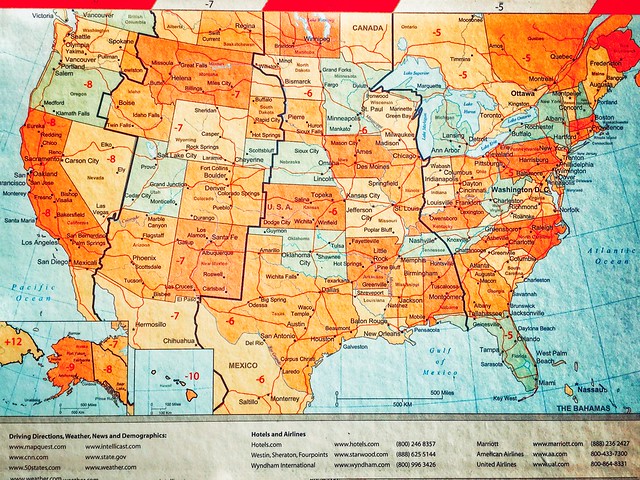
People move for a number of reasons. Whether it’s because they need more storage, better schools, a shorter commute, or a bigger kitchen, there’s no shortage of factors that might have someone looking for a new place to live. But, when it comes to moving out of state, the list narrows quite a bit. In fact, out-of-state movers have two primary motivations: Retirement and work. Because of this, it’s not that difficult to predict the states that see the most inbound migration. It’s no surprise, for example, to see states like Florida, South Carolina, and Arizona on United Van Lines’ recently released National Movers Study – which tracks where and why people move. Naturally, retirement destinations are popular choices, especially since baby boomers were the most likely generation to move out of state. But some choices were less obvious. Would you have guessed that the Northwest would occupy three of the top five states Americans are moving to? Maybe not, but Idaho and Oregon took first and second place on this year’s list. On the flip side, the states that see the most residents leaving included places like New Jersey, Illinois, New York, Connecticut, and North Dakota. More here.

A detailed vintage map of central and eastern United States highlighting states and cities.

Home Prices Up 3.3% From Last Year


The S&P CoreLogic Case-Shiller Indices have tracked U.S. home prices for more than 27 years. Considered among the leading measures of home price trends, the Case-Shiller index is a closely watched gauge of where home prices are headed. According to the most recent results, home values continue to increase. In fact, they are up 3.3 percent year-over-year. But, though they’re still rising, the rate of increase is actually slower than the historical average. For example, home prices between 1968 and 2004 saw an average yearly increase of 6.4 percent. Still, the Case-Shiller index found price increases have accelerated slightly in recent months. “As was the case last month, after a long period of decelerating price increases, the national, 10-city, and 20-city composites all rose at a modestly faster rate in October compared to September,†Craig J. Lazzara, managing director and global head of index investment strategy at S&P Dow Jones, said. “This stability was broad-based, reflecting data in 12 of 20 cities. It is, of course, still too soon to say whether this marks an end to the deceleration or is merely a pause in the longer-term trend.†More here.

A large yellow dollar sign on a red background.

Favorable Conditions Push Signed Contracts Higher


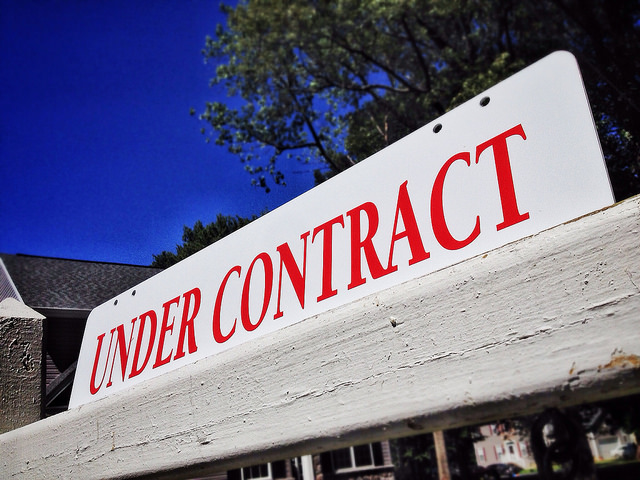
The number of Americans who signed contracts to buy homes in November was higher than the month before, according to new numbers from the National Association of Realtors. In fact, the NAR’s Pending Home Sales Index – which measures contract signings not closings – saw a 1.2 percent improvement over the previous month. Contract activity is now 7.4 percent higher than it was last year at the same time. Lawrence Yun, NAR’s chief economist, says buying conditions are favorable but low inventory remains a challenge. “Despite the insufficient level of inventory, pending home contracts still increased in November,†Yun said. “The favorable conditions are expected throughout 2020 as well, but supply is not yet meeting the healthy demand.†Regionally, pending sales saw the greatest improvement in the West, rising 5.5 percent month-over-month. The Northeast, Midwest, and South were all relatively flat, though they remain elevated over last year’s numbers. More here.

A red and white 'UNDER CONTRACT' sign outdoors.

Will The Inventory Crunch Continue In 2020?


Obviously, the number of homes available for sale is important. After all, it has a big impact on affordability. For example, these days there are too few homes for sale in many markets and the resulting inventory crunch has pushed home prices higher. But many recent housing market forecasts say there should be a significant increase in the number of new homes built in 2020. Will it add enough supply to make homes more affordable for buyers? Fannie Mae’s senior vice president and chief economist, Doug Duncan, says there’s good news and bad. “We now expect single-family housing starts and sales of new homes to increase substantially, aided by a large uptick in new construction as builders work to replenish inventories drawn down by the recent surge in new home sales activity,†Duncan said. “Despite the expected increase in the pace of construction, the supply of homes for sale remains tight and strong demand for housing is continuing to drive prices higher, particularly in the more entry-level price tiers.†In other words, though new home construction will add inventory – which will help moderate price increases – inventory will likely remain a challenge, especially for buyers looking for an affordable home. More here.

Brick house with chimney under a clear blue sky beside a palm tree.

Thank you for your upload