

Banner
Menu

Contract Signings Fall In January

In January, there were more people looking to purchase homes but fewer people signing contracts to buy. The numbers, from the National Association of Realtors’ Pending Home Sales Index, show that pending home sales – which refer to contract signings, not closings – were down 4.7 percent from the previous month. But, rather than a drop in home buying interest, the data may reflect something else. According to NAR’s chief economist, Lawrence Yun, it shows that there are too few homes available for the number of interested buyers. “The economy is in great shape, most local job markets are very strong, and incomes are slowly rising, but there’s little doubt [January’s] retreat in contract signings occurred because of woefully low supply levels and the sudden increase in mortgage rates,” Yun said. But though low inventory is an ongoing issue for the housing market, Yun believes a potential slowing of rent increases could lead to investors putting more affordable single-family homes up for sale this year, which could add to the number of entry-level homes available for first-time buyers. More here.


Sale-Pending

Nearly 60% Of Homeowners Plan Home Improvements


If you’re a homeowner, you know the to-do list is never ending. And, if you’re a buyer, you’ll know soon enough. That’s because, owning a home means maintaining a home. Proof of that can be seen in the fifth annual LightStream Home Improvement Survey. According to the results, 58 percent of surveyed homeowners say they’re planning to spend money on home improvement projects in 2018. And the number who said they plan on spending $35,000 or more has doubled from last year. But though there are more homeowners planning projects this year, the list of projects hasn’t changed all that much. Once again, outdoor upgrades remain the most popular, with decks, patios, and landscape projects topping the list. Kitchen and bathroom remodels, of course, also rank high, coming second and third on Americans’ home improvement, to-do list. So how are these homeowners planning on paying for all these upgrades and renovations? Well, the vast majority said they were paying for their projects out of savings. However, another way homeowners are saving on their home improvement bills is by doing, at least, some of the work themselves. More here.

A green miter saw on a workbench in a wooden-framed room.

Buyers Expand Search In Quest For Affordable Homes


It’s no secret that home prices have been increasing lately, and especially in the nation’s most populous metropolitan areas. So what are home buyers doing to ensure they find – not only a house they love – but one that fits well into their budget? Well one strategy is to look beyond the priciest locations for a more affordable neighborhood in the surrounding area. In other words, home buyers are getting creative in their search for a great home at a great price. And while this usually means moving to the suburbs, in some cases potential buyers are moving even further out. “Buyers have traditionally sought refuge in the suburbs during times of high home prices,†Javier Vivas, director of economic research for the National Association of Realtors’ consumer website. “But with today’s record highs even the suburbs have gotten pricey, which has demand flooding outward as options disappear and prices move further out of reach in top job hubs.†In short, expanding your search radius might be a good way to find a home that’s within reach of both your budget and your job. More here.

A red brick house with autumn trees and overcast sky.

Stronger Job Market Keeps Home Buyers Hopeful


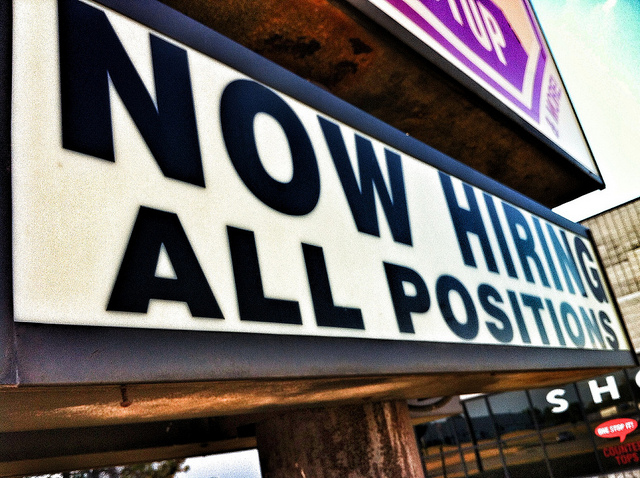
There are a lot of different factors that play a role in determining whether or not you can buy a house and how much house you should buy. Current mortgage rates, home prices, your personal debt, income, and financial situation can all factor into your decision. That means, calculating whether or not now is the right time for you to pursue homeownership requires thinking a little bit about each. For example, home buyer demand remains elevated despite reports of affordability challenges in markets across the country. Why is that? Well one explanation is that a stronger job market has helped Americans feel more secure in their financial situation, which has made them willing to take on the commitments that come with buying a house and becoming a homeowner even with recent price and rate increases. In fact, according to one recent survey, the number of Americans who want to buy was up nearly 5 percent in January – which is typically a slow month for home sales. In other words, Americans feel more confident in their jobs and it’s fueling enthusiasm for buying a house. More here.

Sign announcing hiring for all positions.

Stock Market Volatility Shakes Mortgage Demand


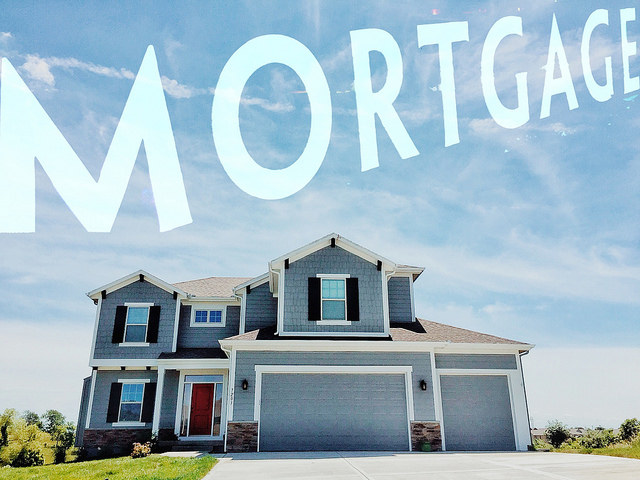
According to the Mortgage Bankers Association’s Weekly Applications Survey, demand for mortgage applications fell 4.1 percent last week from the week before. But though there was another increase in average mortgage rates, the decline was not seen as solely a reaction to higher rates. In fact, the drop was seen, at least partially, as a response to volatility in the stock market last week. Joel Kan, an MBA economist, told CNBC he still expects activity to grow as we enter the spring season. “Refinance activity is continuing along a floor, while the drop in purchase may be related to short term stock market jitters,†Kan said. “We still expect activity to pick up as we make our way into early spring.†Spring is traditionally the season when the housing market heats up and potential buyers start looking for homes to buy. This year, the spring buying season is expected to be particularly busy, with some saying home buyers are even trying to get a jump on competition by hitting the market earlier than usual. The MBA’s weekly survey has been conducted since 1990 and covers 75 percent of all retail residential mortgage applications. More here.

A modern suburban house under a sky with the word 'MORTGAGE'.

Bedroom Communities Top List Of Safest Cities


A “bedroom community†refers to a suburb outside a major metropolis where the majority of residents commute to the city for work. These town have a number of characteristics that identify them but, according to new research from NeighborhoodScout, they are also known for safety. In fact, these suburban cities topped their most recent list of the nation’s safest cities. Andrew Schiller, CEO of NeighborhoodScout, says bedroom communities combine features that are attractive to home buyers. “We continue to see bedroom communities, which are within large metro areas and near major urban centers like Boston, Chicago, and New York, make the top of our list,†Schiller says. “These safe communities within the urban/suburban fabric of America’s largest metropolitan areas often combine access to high-paying jobs in the urban center, decent schools, and a high quality of life. This access to opportunity increases home values, with the result often being lower crime.†Cities in the Northeast topped the list, including Ridgefield, CT, which was named the country’s safest city. More here.

Suburban street corner under a blue sky with scattered clouds.

55+ Homeowners Account For 67% Of Home Equity


Equity is among the main arguments in favor of homeownership. After all, as you pay your mortgage each month, you are, in essence, putting away money that you will be able to draw from should you ever sell your house or take out a home equity loan. In short, homeownership can act as a type of forced savings account. The results of the Federal Reserve’s most recent Survey of Consumer Finances provides some evidence of this. According to the survey, homeowners over the age of 55 held $10.6 trillion in residential equity, which accounts for 67% of the $15.8 trillion total equity for all primary residences in the U.S. In other words, older homeowners – who are more likely to have owned their home for an extended period of time – have built up a lot of equity, either through paying off their mortgage over time or through price appreciation. Either way, for those homeowners, owning a home has provided a financial asset that can benefit them in retirement. For example, research shows buyers in age-restricted communities often don’t take out a mortgage – since they are able to use the equity they’ve acquired as a source of a down payment. More here.

Close-up of U.S. dollar bills in various denominations.

Single Home Buyers Face Added Challenges


Without the benefit of two incomes, single home buyers face some added challenges when looking to buy a house. For one, it takes longer to save for a down payment. In fact, according to a new analysis, married or partnered couples can save a 20 percent down payment on the typical home in less than five years. For single home buyers, it takes closer to 11 years. Add to that, single home buyers are more likely to be looking for a smaller, affordable home – which is precisely the type of house that is currently in highest demand. Zillow senior economist, Aaron Terrazas, says two incomes helps with savings but also with increasing the number of homes available to buy. “Single buyers typically have more limited budgets, which means they are likely competing for lower-priced homes that are in high demand,†Terrazas said. “Having two incomes allows buyers to compete in higher priced tiers where competition is not as stiff.†Of course, your individual financial situation and local market conditions will ultimately determine how much you’ll need to save and how much competition you’ll face for available homes. But single, married, or otherwise, it’s best to be as prepared as possible before heading out to look for a house to buy. More here.

A house with a "For Sale" sign in the front yard.

Americans’ Interest In Housing Market Heats Up


As spring approaches, there’s always an increase in the number of Americans who express interest in buying or selling a house. For many reasons, spring is traditionally the season when the housing market heats up. So, it’s no surprise that Fannie Mae’s most recent monthly measure of Americans’ feelings about the housing market shows an increase in optimism. In fact, the number of survey respondents who said now was a good time to buy a house rose 3 percent from the month before and the number who feel it’s time to sell rose to a new survey high. In other words, interest is high. But, according to Doug Duncan, Fannie Mae’s chief economist, it’s difficult to say yet how the market will perform this year. “Results may continue to fluctuate over the coming months as consumers sort out the implications of the newly passed tax legislation on their household finances,†Duncan said. However, with high interest from buyers and sellers, and a growing economy, early signs point to a busy spring for the housing market. More here.

Luxurious Mediterranean-style house under a vivid blue sky.

Home Sellers Realize Highest Return Since 2007


Naturally, as home prices have increased, so too has the amount of profit homeowners see when they sell their home. Now, according to new numbers from ATTOM Data Solutions, homeowner profits have reached their highest point in more than 10 years. In fact, according to their Q4 2017 U.S. Home Sales Report, the average home seller profit has reached 29.7 percent return on investment compared to the original purchase point. Daren Blomquist, senior vice president at ATTOM, says now is the most profitable time to sell in years but homeowners aren’t moving as often as they used to. “It’s the most profitable time to sell a home in more than 10 years yet homeowners are staying put longer than we’ve ever seen,†Blomquist said. “While home sellers on the West Coast are realizing the biggest profits, rapid home price appreciation in red state markets is rivaling that of the high-flying coastal markets and producing sizable profits for home sellers in those middle-American markets as well.†More here.

Close-up of a U.S. $100 bill featuring Benjamin Franklin.

Thank you for your upload