

Banner
Menu

Permits To Build New Homes Increase In October


If you’re not looking to buy a new house, you may not think the number of new homes being built has anything to do with your home search. But it does. In fact, much of what’s happening in the housing market today is a result of lagging new home construction numbers in the years following the housing crash and financial crisis. With fewer new homes being added to the national housing stock, low inventory became a persistent issue, driving prices and competition higher. The pandemic, supply shortages, and spiking material costs made it even worse over the past year and a half. New numbers from the U.S. Census Bureau and the Department of Housing and Urban Development offer prospective home buyers some hope, though. According to their most recent release, the number of building permits to build new homes rose 4 percent in October. And the number of building permits for single-family homes was up 2.7 percent. That means, a rising number of new homes will be built in the months ahead, which should help alleviate some of the upward pressure on home prices and give buyers more options to choose from when shopping for a house to buy. (source)
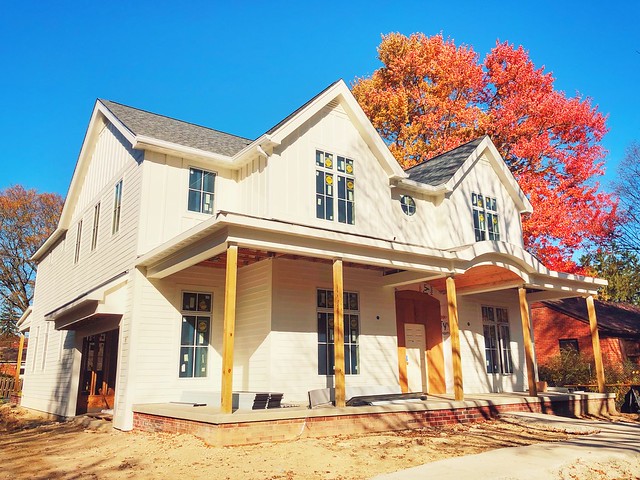
Newly constructed house with autumn trees in the background.

Inventory Of Available Homes To Rebound In 2022


Typically, home buyers have a wish list of features they’re looking for in their next house. Whether it’s a bigger yard, more storage, extra bedrooms, or a great location, buyers always have a reason they’re ready to move. After all, why bother moving if your current home has everything you want and need? But when the number of homes for sale is low – as it’s been for the past few years – finding all the things you want in your next house can become more difficult. Fewer options means buyers are more likely to have to compromise on a few or do without some of them altogether. That’s why the early forecasts for next year’s housing market should be encouraging for prospective home buyers. For example, according to one recently released forecast for the year ahead, new listings are expected to reach a 10-year high in 2022, surpassing their most recent high of 7.6 million in 2018. If the prediction comes true, it’ll lead to a better balanced market and more options for home buyers. It’ll also make it more likely that you won’t have to abandon your wish list and settle for a home that has few of the features that had you ready to move in the first place. (source)

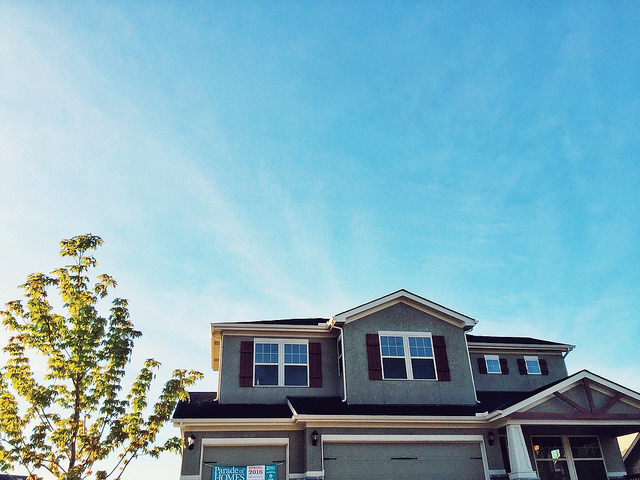
A two-story suburban house under a clear blue sky with a tree in the foreground.

Demand For Home Purchase Loans Rises


According to the Mortgage Bankers Association’s Weekly Applications Survey, demand for loans to buy homes saw its second-consecutive weekly increase, rising 2 percent from the week before. The improvement came during a week when average mortgage rates increased for 30-year fixed-rate loans with conforming loan balances, loans backed by the Federal Housing Administration, and 15-year fixed-rate loans. Joel Kan, MBA’s associate vice president of economic and industry forecasting, says the gains are a sign that buying activity will likely remain strong in the weeks ahead. “Purchase applications increased for both conventional and government loan segments, as housing demand continues to show resiliency at a time – late fall – when home buying activity typically slows,†Kan said. “The second straight increase in purchase applications suggests that stronger sales activity may continue in the weeks to come.†The MBA’s weekly survey has been conducted since 1990 and covers 75 percent of all retail residential mortgage applications.

Two black arrows painted on a wooden surface pointing upward.

Builders Confident Despite Supply Side Issues


Home builders are facing many challenges these days. From the supply chain to labor and lot shortages, it’s a difficult time to be in the home-building business. But despite all of those issues, the National Association of Home Builders’ Housing Market Index – which measures how confident home builders are feeling on a scale where any number above 50 indicates more of them view conditions as good than poor – scored an 83 in November, up three points from the month before. So what explains the high level of optimism among home builders? Put simply, it’s buyer demand. “The solid market for home building continued in November despite ongoing supply-side challenges,†Chuck Fowke, NAHB’s chairman, said. “Lack of resale inventory combined with strong consumer demand continues to boost single-family home building.†In other words, buyer demand for homes remains elevated and the number of homes for sale remains lower than historically normal. That means, homes are in high demand and, despite current conditions, builders are feeling good about the market.

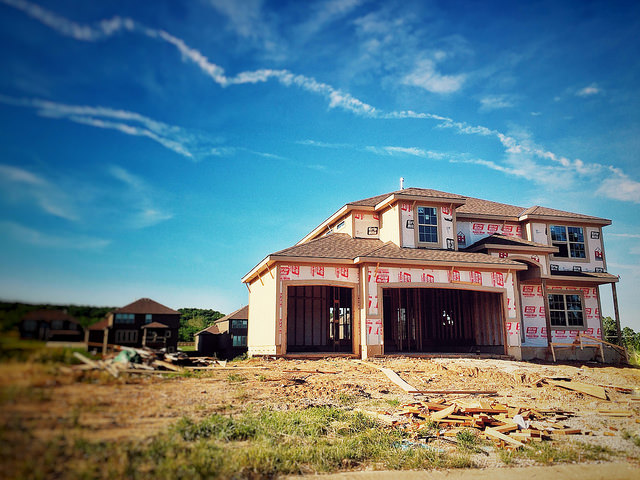
A partially built house under a blue sky with scattered clouds.

What Fall Showings Can Tell Us About Spring


For a lot of us, it’s still hard to believe summer’s over and the clocks have already rolled back. But it is November and the holidays are just around the corner. So maybe it isn’t too soon to start thinking about spring. If you’re a potential home buyer looking to make a move in the next six months, it’s definitely not too early. In fact, it may be the perfect time to get a feel for what you might expect when the housing market starts to heat up again. One good indicator for where the market is headed is how many showings are being scheduled for the homes currently listed for sale. And, if the past is any indicator, you can tell a lot about what spring will look like based on what happens the previous fall. For example, last year’s fall market was atypically competitive – which could’ve tipped you off that the following spring would be among the hottest in recent memory. So how’s this fall been looking so far? Well, according to recently released data, the number of scheduled showings has been around 5 percent lower than it was at the same time in 2020. That’s a pretty good indication that the spring market will be less hectic than this year’s was, with price increases slowing and a higher number of homes for sale. (source)

Yellow daffodil blooming against a rustic brick wall.

Report Finds 57% Of Recently Sold Homes Affordable


By now, anyone interested in buying a house knows home prices have been rising. Climbing prices have been a factor for home buyers for years, and especially over the past 12 months. But while home prices have risen, that doesn’t necessarily mean you can’t find a home that’s affordable. It might actually be more possible than you think. For example, according to the National Association of Home Builders’ most recent Housing Opportunity Index – which measures how affordable buying a home is for families earning the U.S. median income – 56.6 percent of homes sold between the beginning of July and the end of September were considered affordable. That’s the good news. The bad news is affordability is at a lower level than it’s been in recent years. And, according to NAHB chairman, Chuck Fowke, the challenges home builders are facing have made it difficult to build the new homes that could help provide more affordable options for buyers. “Persistent building material supply chain bottlenecks and tariffs on Canadian lumber and Chinese steel and aluminum continue to place upward pressure on construction costs and home prices,†Fowke said. “Policymakers must fix supply chain vulnerabilities that are disrupting and delaying construction projects and hurting housing affordability.†(source)

Close-up of a 'SOLD' sign on a white post with trees in the background.

Homeownership Benefits Buyers’ Bottom Line


New numbers from ATTOM Data Solutions show that 39.5 percent of mortgaged residential properties were considered equity rich during the third quarter. That’s up from 28.3 percent last year at the same time. So what does equity rich mean? Well, according to ATTOM’s U.S. Home Equity & Underwater Report, it means the amount of loan balances secured by those properties was no more than 50 percent of the home’s estimated market value. In other words, a large percentage of homeowners are seeing a big benefit to their bottom line as their home’s value continues to grow. But it isn’t just long-time homeowners who are benefiting. With national home values up 16 percent year over year, even recent buyers have begun to see gains. Todd Teta, ATTOM’s chief product officer, says the improvements have been the best in years. “Homeowners across most of the United States could sit back with a smile yet again in the third quarter and watch their balance sheets grow as soaring home prices pushed their equity levels even higher,†Teta said. “Amid the best gains in two years, nearly four of every 10 owners found themselves in equity-rich territory.†(source)

Close-up of Benjamin Franklin on a US $100 bill.

Mortgage Rates Fall For Second Straight Week


According to the Mortgage Bankers Association’s Weekly Applications Survey, average mortgage rates fell last week from the week before. Rates were down across all loan categories, including 30-year fixed-rate loans with both conforming and jumbo balances, loans backed by the Federal Housing Administration, and 15-year fixed-rate loans. The decline helped push demand for loan applications higher week over week. In fact, refinance activity moved up 7 percent and the purchase index was up 3 percent. Joel Kan, MBA’s associate vice president of economic and industry forecasting, says buyers returned to the market, but conditions remain challenging. “Purchase applications were also strong last week, increasing just under 3 percent and down only 4 percent from last year’s pace,†Kan said. “The dip in rates might have helped to bring some buyers back into the market, but housing inventory is still extremely low and price growth remains elevated.†Overall, mortgage application demand was up 5.5 percent from one week earlier. The MBA’s weekly survey has been conducted since 1990 and covers 75 percent of all retail residential mortgage applications. (source)

Two black arrows pointing downward on an orange background.

Majority Of Recent Buyers Are Happy They Moved


Everyone, from time to time, dreams of moving somewhere new. Whether the dream is to move to a nicer house in the same area, out of state, or somewhere even more exotic, the dream is always exciting. Reality, however, is something different. Buying and selling a house, packing up all of your belongings, and moving is a lot of work and it can get stressful at times. But, if you’re someone who’s feeling overwhelmed at the prospect of an upcoming move, there’s reason to be optimistic. In fact, according to a new survey, there’s very little chance you won’t come out on the other end happy that you did it. The survey – which asked Americans who recently relocated how happy they are since their move – found that the vast majority of them said they feel happier. Among respondents, 54 percent said they were much happier, while 29 percent said they feel a little bit happier. That leaves just 17 percent who either felt no different or less happy – with only 3 percent saying they were much less happy than before their move. (source)

A yellow smiley face ball with a black smile and eyes.

Americans More Optimistic About Housing Market


For nearly a year and a half now, Fannie Mae’s Home Purchase Sentiment Index – which measures Americans’ perception of the housing market – has remained within the same general range. That’s not too surprising. After all, market conditions have been fairly consistent, following some initial volatility after the pandemic began in March 2020. Since then, a combination of low inventory and high buyer demand has been driving prices higher, while mortgage rates continue to hover just above all-time lows. That remains true today, which is why there’s been little movement in the HPSI in recent months. However, October’s results do show a slight improvement in the number of Americans who say they think now is a good time to buy or sell a home. Doug Duncan, Fannie Mae’s senior vice president and chief economist, says consumers have some concerns about the economy but it isn’t likely to affect home buying activity. “While economic uncertainty could potentially dampen mortgage demand over the longer term, we believe current market conditions remain conducive to home purchase activity, as demand for homes continues to far outstrip the supply available for sale,†Duncan said. (source)

A row of modern suburban houses under a clear blue sky.

Thank you for your upload