

Banner
Menu

Category: Uncategorized

Are The Suburbs Really More Affordable Than Cities?

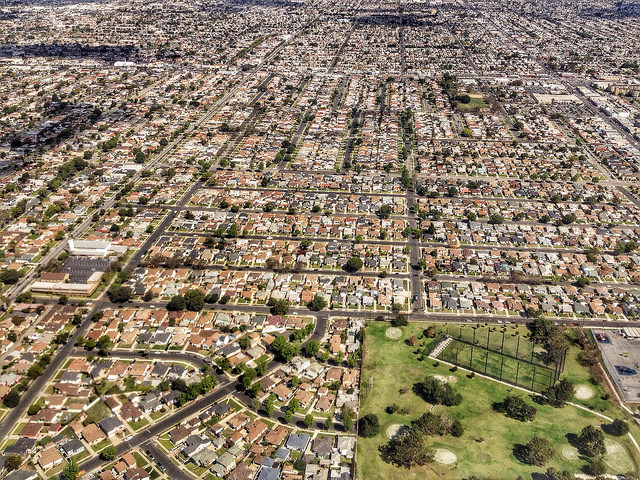
A lot has been written about how the coronavirus and remote work have led home buyers to flee urban centers and head to the suburbs. The idea that Americans – who can work from home and no longer have to worry about their commute – are leaving expensive city centers and moving to more affordable homes in the suburbs has been a consistent theme since the pandemic began. It makes sense. After mitigation efforts forced more of us inside, we began reevaluating what we want in our homes. That, naturally, led to rising interest in moving somewhere where we could have more for less. But are the suburbs always more affordable than living in the city? According to one recent analysis, not necessarily. That’s because, in some areas, the suburbs are actually more expensive than living in the urban core. In metros like St. Louis, Cincinnati, Kansas City, and Indianapolis, for example, home buyers looking for a more affordable option have to look in the city to find a better price. That is the opposite of trends seen in higher-priced coastal cities like New York or San Francisco. It’s also a good reminder that what’s true in one location may not be true in another. (source)

Mortgage Rates Remain Just Above Record Lows


According to the Mortgage Bankers Association’s Weekly Applications Survey, average mortgage rates fell last week, with rates for 30-year fixed-rate loans with both conforming and jumbo balances falling from the week before. The decline led to an increase in refinance applications, which helped push overall mortgage application demand 8.1 percent higher than one week earlier. Joel Kan, MBA’s associate vice president of economic and industry forecasting, said refinance activity was at its highest level in almost a year. “The one-week reversal in the recent upswing in rates drove an increase in both conventional and government refinance activity, as borrowers continue to lock in these historically low rates,†Kan said. “MBA’s refinance index hit its highest level since March 2020.†Demand for loans to buy homes, on the other hand, was relatively flat from the week before, though it remains 16 percent higher than last year at the same time. The MBA’s weekly survey has been conducted since 1990 and covers 75 percent of all retail residential mortgage applications. (source)

Orange percent symbol on white paper against corkboard.

Low Winter Inventory Means Faster Sales

When there are fewer homes for sale, the homes that are available sell quickly. That’s no surprise. It’s common sense. And, since inventory has been low for quite a while now, the challenges of rising prices, intense competition, and bidding wars are familiar to anyone who has recently looked for a home to buy. But while low inventory is nothing new, the combination of a lower-than-normal number of homes for sale and the housing market’s typical seasonal slowdown have caused recent listings to sell even more quickly than usual. In fact, they’re selling faster than they have in years. How fast? Well, according to one recent measure, 55 percent of homes that went under contract during the week ending January 24 had an offer accepted within two weeks of hitting the market. That’s faster than at any time since at least 2012. Fortunately, winter’s lack of listings should start to turn around as the spring season approaches and more homeowners put their homes up for sale. When that happens, price increases and competition should both begin to moderate. (source)

December Contracts To Buy Hit Record High


December isn’t typically a popular month with home buyers. And while there are many reasons for this, last year, buyers largely ignored them. In fact, there were more buyers who signed contracts to buy homes during the month than ever before. According to the National Association of Realtors’ Pending Home Sales Index, contracts to buy hit an all-time high for the month, even though they fell slightly from November. Lawrence Yun, NAR’s chief economist, says there’s no shortage of interested home buyers. “Pending home sales contracts have dipped during recent months, but I would attribute that to having too few homes for sale,†Yun said. “There is a high demand for housing and a great number of would-be buyers, and therefore sales should rise with more listings.†In short, buyer demand has been elevated for a while now and will likely continue to be as we approach the spring and summer sales season. Yun believes, with rates expected to stay low and the economy poised to improve, this year’s market will see more new homes built, more sales than last year, and slower home-price appreciation. (source)

A red and white 'UNDER CONTRACT' sign outdoors.

Housing Market Sees Biggest Growth in 15 Years


Last year was an unusual year for the housing market. Expectations of a busy spring sales season were dashed when the coronavirus took hold and mitigation efforts caused interested buyers to delay their plans. But what looked like it may have been a lost year turned into something entirely different. The market rebounded faster than predicted and buyers returned in droves. Sales skyrocketed in early summer and then out performed year-before levels through the end of the year. According to one recent analysis, strong demand and fewer homes for sale also led the market to its biggest growth in any year since 2005. In fact, U.S. housing stock gained $2.5 trillion in value last year and is now worth $36.2 trillion. Naturally, a lot of that value is on the coasts, with cities in California accounting for four of the top 10 metros with the highest housing value. New York was number one overall, though. Its housing stock was worth $3.1 trillion in total. (source)

Sunlit brick building with fire escapes under a clear blue sky.

New Home Sales Increase Is The First Since July


Sales of newly built, single-family homes rose 1.6 percent in December, according to new numbers released by the U.S. Census Bureau and the Department of Housing and Urban Development. The increase was the first month-over-month improvement since July and puts new home sales 15.2 percent higher than they were in December 2020. Overall, new home sales ended the year 18.8 percent higher than in 2019, making it the best year in more than a decade. It’s yet another sign of the housing market’s continued strength. Boosted by low mortgage rates and elevated buyer demand, the market has been a bright spot, helping to drive an economy damaged by the effects of the coronavirus pandemic. But while the market is strong, affordability remains a concern. The report found that the median sales price of new homes sold in December was $355,900, which is about 8 percent higher than last year at the same time. The average sales price was $394,900. (source)

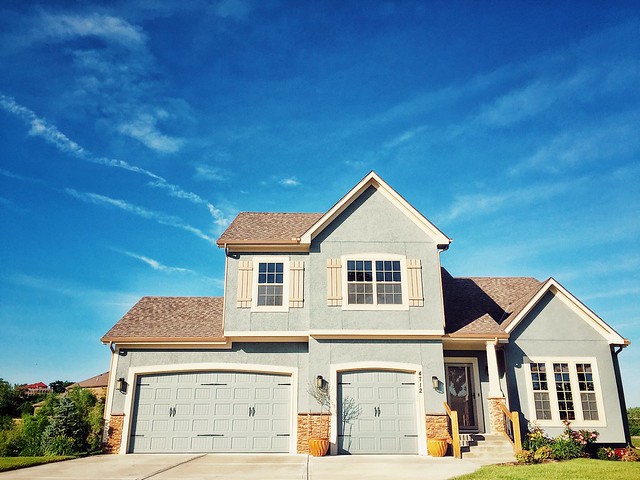
Two-story suburban house with a double garage under a clear blue sky.

Mortgage Demand Up 16% From Last Year


According to the Mortgage Bankers Association’s Weekly Applications Survey, demand for loans to buy homes is now 16 percent higher than it was last year at the same time, continuing a trend that started in the second half of last year. Joel Kan, MBA’s associate vice president of economic and industry forecasting, says purchase activity and average loan size have been climbing since last spring. “Activity was up 16 percent from a year ago, and the average purchase loan amount hit another record high of $395,200,†Kan said. “Since hitting a recent low in April 2020, the average purchase loan amount has steadily risen – in line with the accelerating home-price appreciation occurring in most of the country because of strong demand and extremely low inventory levels.†Also in the report, average mortgage rates were up and down last week. Increases were seen for 30-year fixed-rate loans with conforming loan balances, but 15-year fixed-rate loans, jumbo loans, and those backed by the FHA all saw declines. The MBA’s weekly survey has been conducted since 1990 and covers 75 percent of all retail residential mortgage applications.

Up arrow key on a keyboard with a vintage look.

Latest Price Data Shows Values On The Rise


The S&P Case-Shiller Home Price Indices have been considered among the leading measures of US home prices for decades. According to their most recent release, prices are still rising, continuing a streak that dates back to last summer. In fact, the data – which covers home values through the end of November – shows increases have actually accelerated. Craig Lazzara, managing director and global head of index investment strategy at S&P, says the most recent increase was the biggest since February 2014. “As COVID-related restrictions began to grip the economy last spring, their effect on housing prices was unclear,†Lazzara said. “Price growth decelerated in May and June before beginning a steady climb upward. November’s report continues that acceleration in particularly impressive manner. The National Composite last matched this month’s 9.5 percent growth rate in February 2014, more than six and a half years ago.†A lower than normal number of homes for sale is the main factor pushing prices higher. As spring approaches, and more homes are listed for sale, prices should begin to moderate from their current pace. (source)

Three colorful dollar signs on a dark red background.

Annual Home Sales Hit 14-Year High In 2020

The number of previously owned homes sold last year was the most in any year since 2006, according to a new report from the National Association of Realtors. Sales of existing homes reached 5.64 million in 2020, a 5.6 percent increase over the year before. Lawrence Yun, NAR’s chief economist, says the gains will likely continue. “Home sales rose in December, and for 2020 as a whole, we saw sales perform at their highest levels since 2006, despite the pandemic,” Yun said. “What’s even better is that this momentum is likely to carry into the new year, with more buyers expected to enter the market.” There are a couple of reasons Yun believes buyers will be active this year. One is mortgage rates, which are expected to rise slightly but remain historically low. The other is improving economic conditions due to additional stimulus and distribution of the coronavirus vaccine. This combination makes it likely the housing market will have another busy year in 2021.

For-Sale

Is It Time To Check Your Credit Score?


Your credit score is the kind of thing that’s easy to forget about until you need it. It doesn’t seem to matter much, until it’s the difference between getting approved for a loan and being denied. Fortunately, if you check your score and do what you can to improve it, you can avoid this predicament. You just have to give yourself enough time. But how long do you need? Well, according to MyFICO – the official consumer division of FICO – it depends on the type of financing. If you’re looking to finance a cell phone or get a new credit card, you don’t have much to worry about. A better score will get you better terms, but you’ll likely be approved even if your score needs some help. The stakes, however, are a bit different when you’re applying for a mortgage. If you’re asking to borrow hundreds of thousands of dollars, you have to be able to show you’re responsible with your money and able to pay off your debts. That’s why MyFICO suggests checking your score at least six months to a year before shopping for a new house. Having time to raise your score will, not only, put you in a better position to qualify for a loan, it’ll also help get you the best mortgage rate once you’re approved. (source)

Scrabble tiles spelling the word "CREDIT" on a blue surface.


Thank you for your upload