

Banner
Menu

Category: Uncategorized

Housing Market Conditions Mixed But Steady


Today’s housing market is a mixed bag. On the one hand, a better job market, improving wage growth and low mortgage rates have driven buyer demand higher and made an increasing number of Americans consider buying a house. On the other, too few homes for sale are driving prices upward and new home construction isn’t keeping pace with the increase in demand. Fortunately, in some cases, these factors help balance each other out. For example, though prices continue to rise in most markets, mortgage rates remain low – making higher prices slightly more manageable. All in all, Fannie Mae’s chief economist, Doug Duncan, says the real estate market isn’t likely to change too much one way or the other before the end of the year. “Housing market fundamentals remain a mixed bag. During the second quarter of 2016, both new and existing home sales rose to expansion highs, while single-family starts pulled back, remaining historically low for an expansion,†Duncan explained as part of the group’s most recent Economic and Housing Outlook. “Tight housing inventory from a lack of new construction continues to create affordability challenges, particularly at the lower end of the market … We expect home buyers will benefit from improving job and wage growth, more favorable lending standards, and continued low mortgage rates through the rest of the year.†More here.

Historic brick building with intricate architectural details and shadows.

The Typical New Home Is Getting Smaller


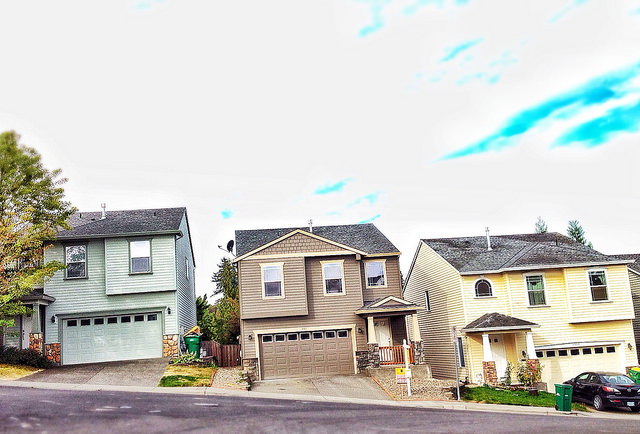
Historically, buyers at the higher end of the housing market rebound more quickly from a recession than the average home buyer – who may have to watch their money more closely during rough economic times. Because of this, the typical new house has been growing larger ever since the housing crash and most recent recession. However, according to a new analysis from the National Association of Home Builders of numbers from the Census Bureau’s Quarterly Starts and Completions By Purpose and Design report shows a slight decline in both the average and median square footage for new homes built during the second quarter of this year. And though the decline was small and the typical new home remains large by historical standards, analysts see it as the start of a trend downward for new home size. This is encouraging news for buyers as there has been a lack of entry-level new homes available for sale on the market. And, since for-sale inventory is low, any increase in the number of homes available to the average home buyer is good for balancing the market, reducing price increases, and boosting the number of first-time home buyers active in the market. More here.

Suburban street with modern houses under a bright sky.

Home Sales To Have Best Year In A Decade


The housing market is likely to see its best year of sales in a decade, according to a new outlook from Freddie Mac. In fact, the group’s forecast calls for sales to reach 6.04 million by the end of the year. Sean Becketti, Freddie Mac’s chief economist, says the housing market still has some challenges but is far better balanced than it was even just a few years ago. “This is a good sign for the housing market as it continues to be an even brighter spot in the economy,†Becketti said. “However, the housing market still has challenges, which is reflected in our housing starts forecast. Low levels of inventory across many markets will continue to put upward pressure on house prices for the foreseeable future.†But though Freddie Mac expects home prices to continue to increase due to a lower than normal number of available homes for sale and has revised their forecast for new home construction downward, they also expect mortgage rates to remain low through the end of the year. In other words, the residential real-estate market will continue to look much as it does today for the next several months. Inventory will continue to be the big issue, causing prices to rise while mortgage rates near historic lows help support both refinance and home purchase activity. More here.

Bright yellow 'For Sale' sign against trees and sky.


Mortgage Rates Hold Near Record Lows

According to the Mortgage Bankers Association’s Weekly Applications Survey, average mortgage rates fell again last week, continuing to hover near record lows. Rates fell across all loan categories, including 30-year fixed-rate loans with both conforming and jumbo balances, loans backed by the Federal Housing Administration, and 15-year fixed-rate loans. Consistently low mortgage rates have been a bright spot for the housing market this year, as low inventory and higher prices strain affordability conditions. Between mortgage rates near record lows and a stronger job market, demand for home loans has been higher than at the same time last year, even as conditions have become more challenging. In fact, refinance demand is now 48 percent higher than last year at this time and purchase activity is 10 percent higher than year-before levels. However, lower rates last week weren’t enough to keep mortgage demand from falling from one week earlier. In fact, the Market Composite Index – which measures both refinance and purchase demand – fell 4 percent from the week before. The MBA’s weekly survey has been conducted since 1990 and covers 75 percent of all retail residential mortgage applications. More here.

Arrow Down 10

Number Of New Homes Being Built Rises


The number of new homes that broke ground during the month of July increased from the month before, according to new numbers from the U.S. Census Bureau and the Department of Housing and Urban Development. Housing starts were up 2.1 percent to a seasonally adjusted annual pace of 1.21 million units, the highest level since February. Economists expected starts to fall to a 1.18 million-unit pace. July’s improvement not only beat economists’ expectations but is also welcome news for home buyers. That’s because any increase in the number of new homes being built adds for-sale inventory and helps moderate price increases and balance the market. Much of the concern about the current housing market revolves around the fact that the number of homes available for sale is lower than usual and hasn’t been keeping up with buyer demand. When there are more home buyers than there are homes available for sale, home prices rise. And, though current homeowners putting their homes up for sale can help boost inventory, new home construction is vital. Regionally, home building activity was strongest in the South and West. The Northeast and Midwest, on the other hand, both saw declines. More here.

White arrow painted on textured asphalt pointing downwards.

Builders Confident In New Home Market


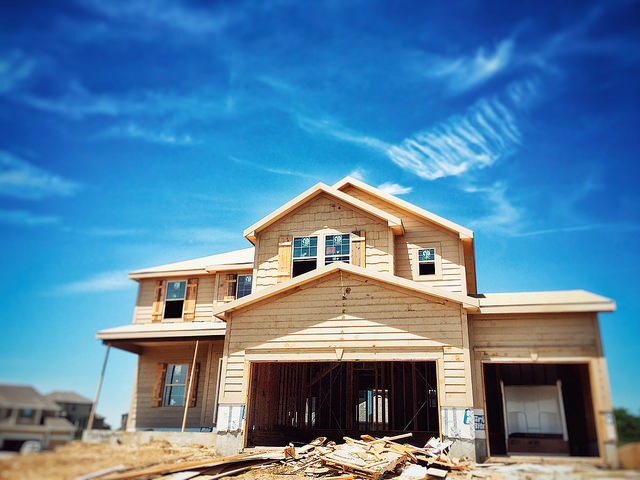
One way to determine the health of any particular housing market is to gauge how many new homes are being built in the area. That’s because new homes add inventory to the market, which plays an important role in moderating price increases and giving buyers more options when looking for a house to buy. For this reason, the National Association of Home Builders surveys builders each month to get a feel for how the new home market is doing. The survey scores builders’ responses on a scale where any number above 50 indicates more builders view conditions as good than poor. In August, the survey found builder confidence up two points from the month before, reaching a score of 60. In particular, the index components measuring current sales conditions and future expectations both increased. Robert Dietz, NAHB’s chief economist, says the overall housing market should continue on an upward path through the end of the year. “Builder confidence remains solid in the aftermath of weak GDP reports that were offset by positive job growth in July,†Dietz said. “Historically low mortgage rates, increased household formations and a firming labor market will help keep housing on an upward path during the rest of the year.†More here.

Newly constructed two-story house with clear blue sky.

Survey Says Many Boomers Would Like To Move

During their lifetime, the typical American will move 11 times, according to the U.S. Census Bureau. In fact, by age 30, the average person will have changed addresses six times already. But what about older Americans? Well according to a recent survey from Freddie Mac, there are a lot of Americans age 55 and older who say they’d like to move at least one more time. Among survey respondents, 63 percent said they’d prefer to age in place but nearly 40 percent said they’d like to move. Dave Lowman, Freddie Mac’s executive vice president of single-family business, says the way we age has changed and it could have a significant impact on housing trends in the future. “Consider that at age 55, our grandparents started moving to retirement and senior living communities,” Lowman writes. “By contrast, todays’ baby boomers are a vibrant, confident generation who are living longer and are definitely on the move.” Among the top factors influencing whether or not to move, older Americans named affordability, amenities, and less maintenance as their highest priorities. Other factors included living closer to other family members, downsizing, warmer weather, and living somewhere that is walkable and has access to public transportation. More here.

House

Home Prices Continue To Rise In Most Metros


The National Association of Realtors’ latest quarterly report found home prices up in 83 percent of the 178 metropolitan areas included in the study. In addition, the national median existing single-family home price was 4.9 percent higher in the second quarter than it was the year before. But though that’s seemingly bad news for buyers, it is an improvement over the first three months of 2016, when 87 percent of metros saw increasing prices and the median price was up 6.1 percent. Lawrence Yun, NAR’s chief economist, says buyers are active in the market but – since there are too few homes available for sale – prices are moving upward. “Steadily improving local job markets and mortgage rates teetering close to all-time lows brought buyers out in force in many large and middle-tier cities,†Yun said. “However, with homebuilding activity still failing to keep up with demand and not enough current homeowners putting their homes up for sale, prices continued their strong ascent – and in many markets at a rate well above income growth.†Because there are fewer houses available for sale, 40 percent of listings sold at or above their list price. In fact, June set a record for the highest share of houses selling above list price. More here.

Close-up of a teal sign with the word 'Price' in white letters.

Mortgage Rate Drop Sparks Increased Demand


According to the Mortgage Bankers Association’s Weekly Applications Survey, demand for mortgage applications spiked 7.1 percent last week due to falling mortgage rates. Average rates were down for 30-year fixed-rate mortgages with both conforming and jumbo balances, as well as loans backed by the Federal Housing Administration. On the other hand, the average contract interest rate for 15-year fixed rate mortgages was unchanged from the week before. Joel Kan, the MBA’s associate vice president of industry surveys and forecasts, says lingering economic concerns pushed rates lower. “With lingering concerns over a weak second quarter reading of US GDP growth, along with continuing anxiety over global growth and financial markets, rates edged lower for the second week in a row,†Kan said. Lower rates led to a spike in refinance activity, which was up 10 percent over the previous week. It also helped boost demand for loans to buy homes 3 percent higher than the week before. Purchase activity is now 13 percent higher than it was during the same week one year earlier. The MBA’s weekly survey has been conducted since 1990 and covers 75 percent of all retail residential mortgage applications. More here.

Bright orange flames flickering against a dark background.

How Real Estate Apps Have Buyers Hooked


New research from Google shows Americans spend an average of 55 minutes per visit when using real estate apps on their smartphones. The data – aimed at better understanding how buyers use technology during their house hunt – shows scanning through available homes for sale and looking at prices in different neighborhoods has become something of a past time, and not just for active buyers. In fact, the research shows that 64 percent of respondents said they keep checking homes for sale after they’ve made a purchase and one out of every five people looking at houses on real estate apps and websites aren’t actually in the market to buy. Additionally, nearly 70 percent said shopping for real estate online or on their phone was fun. The study highlights how new technology has changed how Americans shop for homes. John Thorton, a partner in Google’s real estate business, says apps and online listings have us hooked. “Customers roll over in the morning and start looking at real estate listings [on their phone],†Thorton said. Among the study’s other highlights, people begin looking at real estate sites an average of three years before they actually buy a home. More here.

Close-up of an iPhone screen showing the App Store icon with a notification badge.

Thank you for your upload