

Banner
Menu

Category: Uncategorized

Permits To Build New Homes At 7-Month High


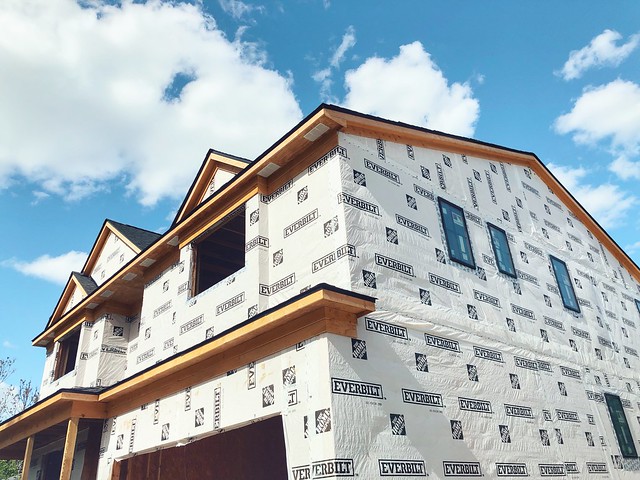
There are more interested buyers than available homes for sale this spring. In many areas, that’s pushing home prices higher and cutting the amount of time attractive, affordable listings are on the market before selling. In other words, the market remains fast paced and competitive, and the quickest solution is more homes for sale. Fortunately, it seems home builders are responding. According to the most recent numbers from the U.S. Census Bureau and the Department of Housing and Urban Development, the number of permits to build new single-family homes was at a seven-month high in April, rising for the third consecutive month. Housing starts were also up from the month before, increasing 2.2 percent from March. The numbers are evidence that the new home market is rebounding. It’s also encouraging news for buyers, as the more homes there are for sale, the better conditions will be for buyers of both new and existing homes. (source)
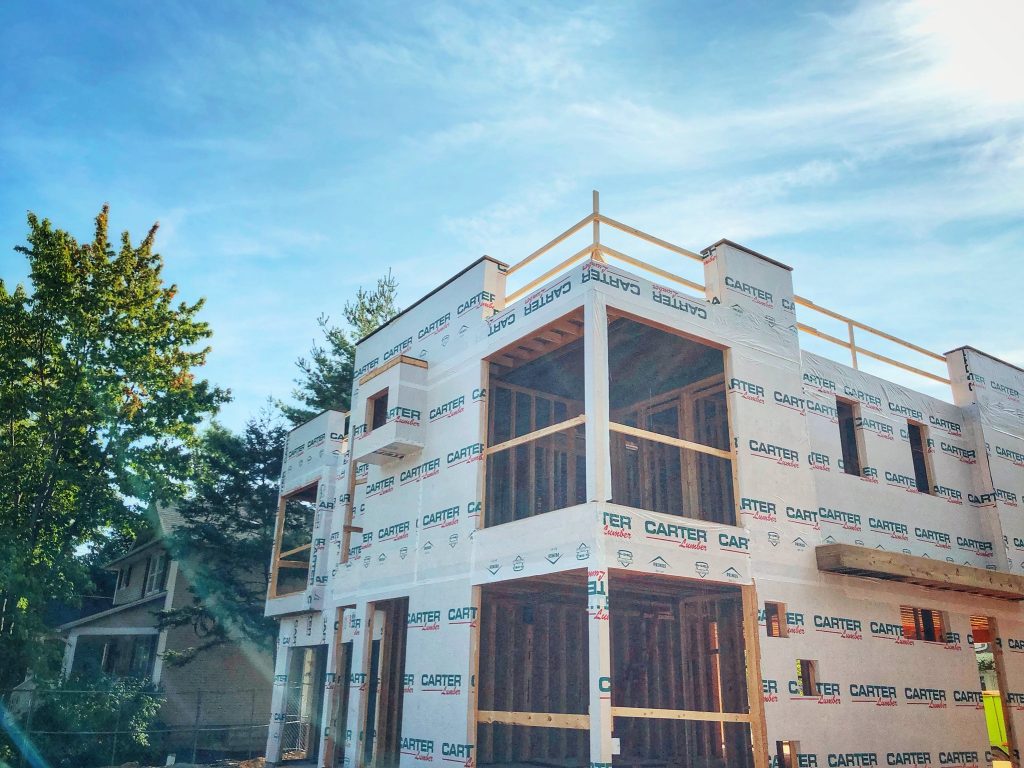
Modern house under construction with Tyvek wrap on exterior walls.


Housing Market Outperforms Expectations


Each month, Fannie Mae’s Economic and Strategic Research Group releases a forecast detailing what they think may be ahead for the housing market and economy. According to their most recent release, the group believes the economy will slow down during the second half of the year but sees the housing market helping to revive it heading into 2024. Doug Duncan, Fannie Mae’s senior vice president and chief economist, says housing continues to outperform expectations and will help cushion any economic slowdown. “Housing remains exhibit number one for why we expect the recession to be modest,†Duncan said. “It continues to outperform our expectations, and we expect that its relative strength will help kickstart the economy into expanding again in 2024.†Still, the group believes there will be a modest recession sometime during the second half of this year – though they acknowledge there are several paths the economy could take and the timing of a potential slowdown remains hard to predict. (source)

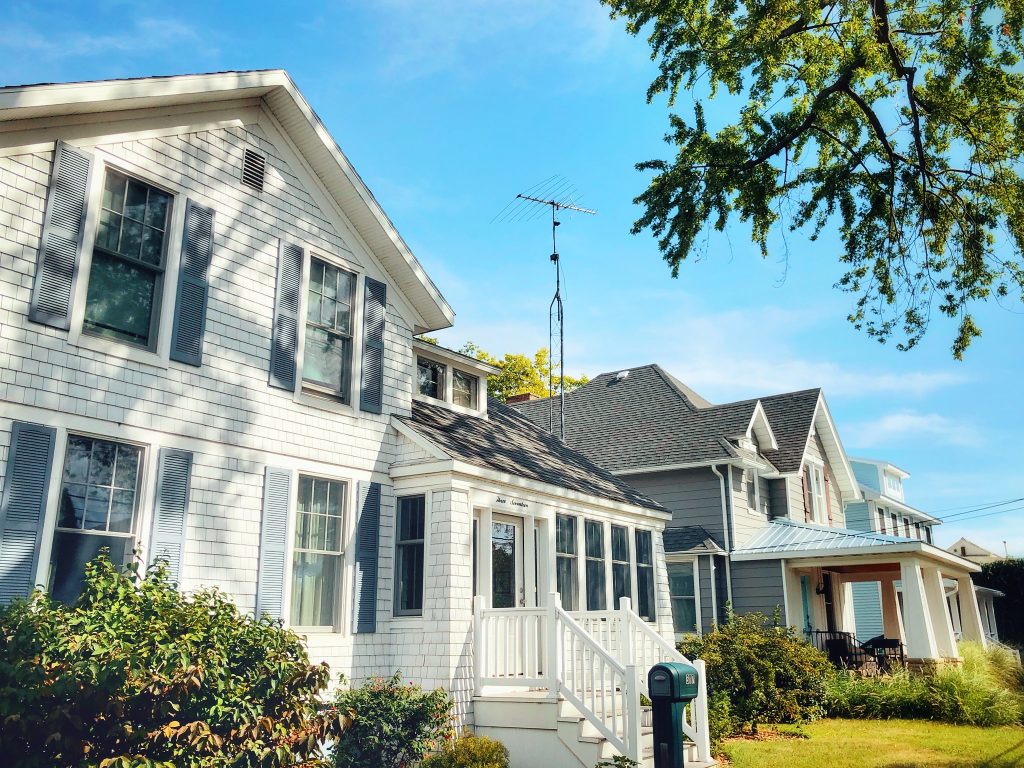
A white house with a porch and a TV antenna on the roof under a blue sky.

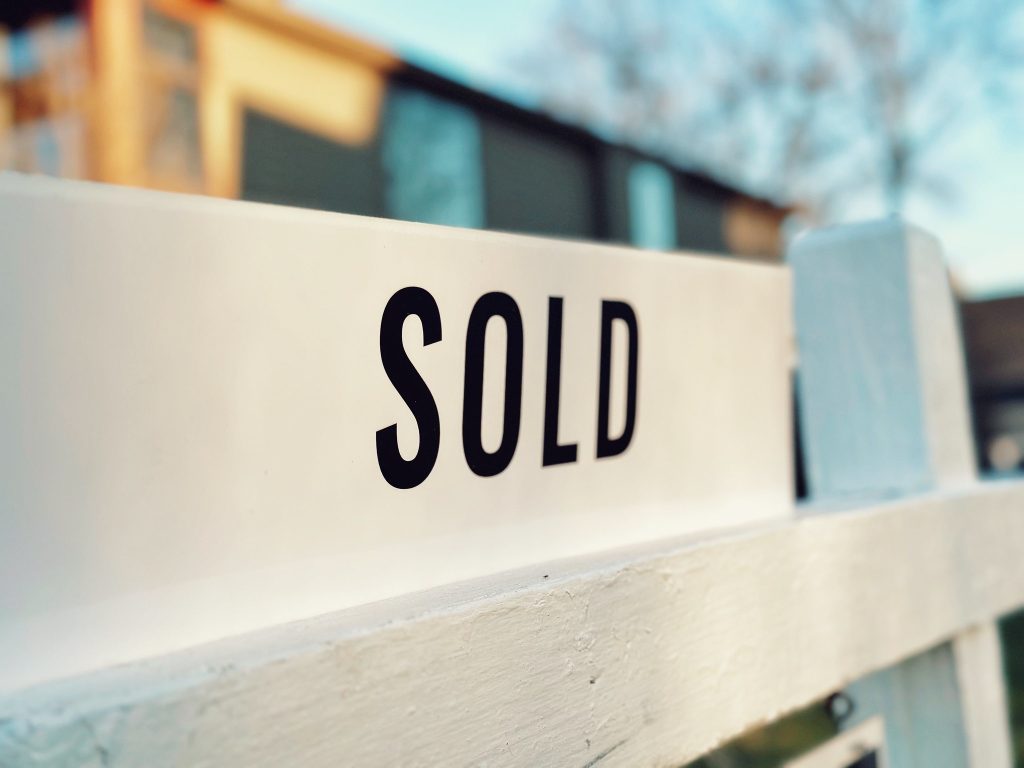
Homes For Sale Sold Faster In April


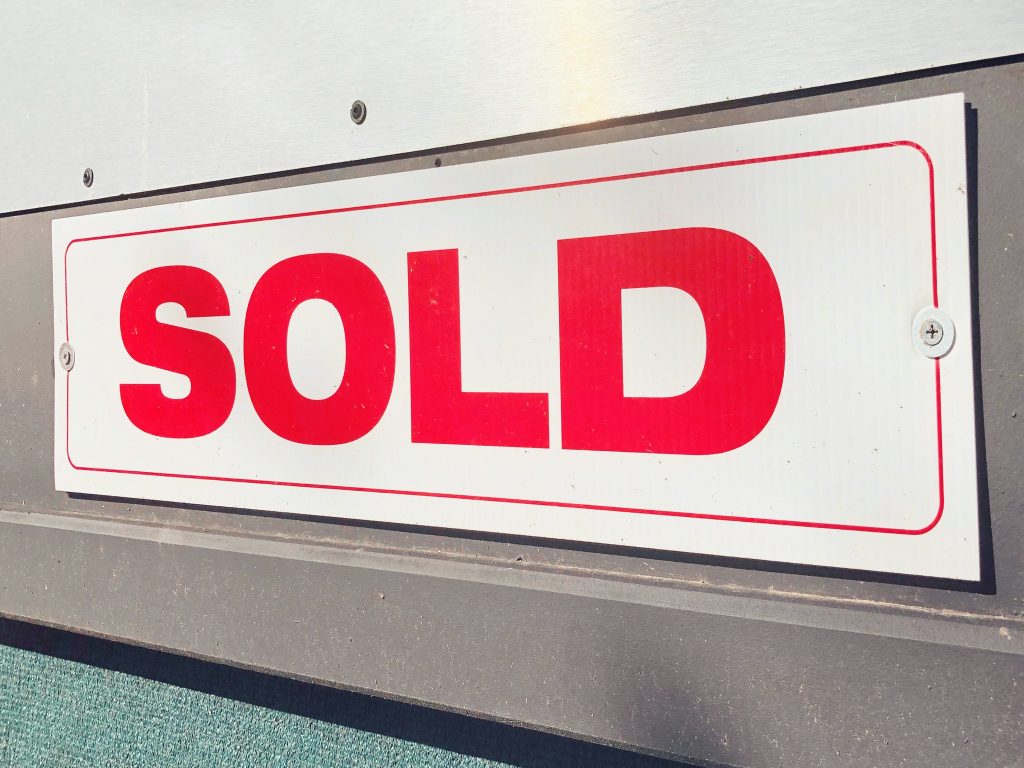
New data from the National Association of Realtors shows homes for sale sold faster in April than they did in March. In fact, the typical property sold in just 22 days. That’s down from 29 days the month before, but up from 17 days last year at the same time. Overall, 73 percent of homes sold during the month were on the market less than 30 days. The quickening pace of home sales is a sign that home buyers remain active, despite low inventory and mortgage rate volatility. Still, despite buyer demand, total sales fell in April, dropping 3.4 percent from the month before. Lawrence Yun, NAR’s chief economist, says the market is up-and-down right now. “Home sales are bouncing back and forth but remain above recent cyclical lows,†Yun said. “The combination of job gains, limited inventory, and fluctuating mortgage rates over the last several months have created an environment of push-pull housing demand.†(source)

A close-up of a red and white SOLD sign.

Home Builder Confidence Continues To Climb


The number of existing homes currently available for sale is low. It has been for years. But while that’s been a frustration for buyers, home builders see it as an opportunity. After all, buyers who can’t find an older home may decide to turn to a newly built home instead. These days, that seems to be the case, and it’s driving the recent rise in home builder optimism. The National Association of Home Builders’ Housing Market Index surveys builders each month in an effort to gauge their confidence in the market for newly built homes. The index ranks builders’ responses on a scale where any number above 50 indicates more builders view conditions as good than poor. In May, the index rose for the fifth straight month and reached 50 for the first time since last July. Robert Dietz, NAHB’s chief economist, says buyers are turning to new homes. “Lack of existing inventory continues to drive buyers to new construction,†Dietz said. “In March, 33 percent of homes listed for sale were new homes in various stages of construction. That share from 2000-2019 was a 12.7 percent average. With limited available housing inventory, new construction will continue to be a significant part of prospective buyers’ search in the quarters ahead.†(source)

A house under construction with weather-resistant sheathing installed.

1st Quarter Home Prices Up In 70% Of Metros


These days, housing market conditions depend a lot on where you look. What’s happening in one market can be the exact opposite of what’s happening in another. Home prices are a great example of this. According to one new analysis from the National Association of Realtors, home prices were up in nearly seven of 10 metropolitan areas during the first quarter. But while a majority of metros saw increases, the disparity between areas where prices rose and where they declined was significant. For example, Western cities like San Francisco and San Jose saw prices drop by double-digits during the first quarter, while at the same time Milwaukee and Dayton saw double-digit increases. Lawrence Yun, NAR’s chief economist, says the dividing line is pretty clear. “Generally speaking, home prices are lower in expensive markets and higher in affordable markets, implying greater mortgage rate sensitivity for high-priced homes,†Yun said. It’s true. Regionally, the Midwest and South posted year-over-year increases, while the Northeast was flat and the West dropped 5.3 percent. (source)

Chimney on a rooftop under a bright blue sky with fluffy white clouds.

What Homeowners Plan To Do With Their Equity


One way homeowners build up equity is by paying off their mortgage month by month. Over time, paying your monthly mortgage bill will reduce what you owe on your house and grow your ownership share. The other way to build up equity is home price increases. That’s made the past few years great for homeowners, as home values saw double-digit spikes. But what can a homeowner do with their equity once they’ve built some up? The short answer is just about anything. There are, though, a few uses that are more common than others. In fact, according one new survey, there’s one use of home equity that’s far and away the most popular. The survey found the top reason homeowners are looking to take out a home equity loan or line of credit is to fund a home improvement project. Among respondents who plan to borrow against their home, 35 percent said they were using the money to better it through remodeling and maintenance projects. Home improvement is not only a popular use of a home’s value but also a smart one, as it reinvests it and can potentially add to it. Other popular ways homeowners are using their equity included major purchases and to pay down high-interest loans and credit cards. (source)

Close-up of various U.S. dollar bills scattered randomly.

How’s The Spring Market Looking So Far This Year?


Spring is the hottest time of year for home sales. It’s when buyers get active and the market ramps up. So how’s it looking so far this spring? Well, home buyers seem to be following typical seasonal patterns, with demand rising as we move toward summer. But while buyers seem to be returning, sellers may not be. In fact, the inventory of homes for sale continues to run low. According to one recent analysis, new listings are down 28 percent from where they were last year at the same time. That means many homeowners – who may have considered selling – have stayed on the sidelines so far this year. That’s led to upward pressure on prices. In April, for example, home prices rose 1 percent from the month before. The good news, though, is that’s a relatively normal price increase for this time of year. And after last year’s ups-and-downs, a return to normal this spring would be a positive sign. (source)

Blooming pink magnolia flowers against a clear blue sky.

Average Mortgage Rates Fall Again


According to the Mortgage Bankers Association’s Weekly Applications Survey, average mortgage rates fell again last week across all loan categories. Rates were down for 30-year fixed-rate loans with both conforming and jumbo balances, loans backed by the Federal Housing Administration, 15-year fixed-rate loans, and 5/1 ARMs. Joel Kan, MBA’s vice president and deputy chief economist, says demand for mortgage applications rose as a result. “Mortgage applications responded positively to a drop in rates last week, as the Fed signaled a potential pause at the current level for the federal funds rate in anticipation of inflation slowing and tightening financial conditions that will slow economic and job growth,†Kan said. Favorable rates led to a 5 percent increase in demand for home purchase loans and a 10 percent increase in refinance activity. The MBA’s weekly survey has been conducted since 1990 and covers 75 percent of all retail residential mortgage applications. (source)

A bold percentage symbol on a textured beige background.

Millennials Lead Pack Of Potential Home Buyers


There are many reasons you might be thinking about buying a house, and a lot of them are based on your age. After all, different age groups have different needs and some are more likely to be ready to buy than others. For example, a recent survey found 52 percent of respondents said they’re thinking about buying a house. But when broken down into age groups, one generation lead the list of prospective buyers by a significant amount. In fact, among participants, millennials were by far the most likely to say they were looking to buy, with 61 percent responding that a home purchase was in their plans. Next up was Gen X, at 25 percent. From there, it drops off even further, with Gen Z at 12 percent and baby boomers last on the list at 2 percent. The explanation is simple: Millennials are at the age when they’re most likely to be starting a family, settling down, and looking to buy their first home. (source)

Classic two-story house with a well-kept lawn and clear blue sky.

More Americans Say It’s A Good Time To Buy


Americans are feeling better about the housing market, according to the most recent results of Fannie Mae’s monthly Home Purchase Sentiment Index. The index – which surveys Americans and asks them whether they think now is a good time to buy or sell a house, how confident they are in their finances and job, and where they think home prices and mortgage rates are headed – found respondents more optimistic than they’ve been in months. In fact, the index was at its highest level since May 2022, with an increasing number of respondents saying they feel now is a good time to buy a house. Doug Duncan, Fannie Mae’s senior vice president and chief economist, says Americans’ optimism is partly due to mortgage rates. “This month’s increase in the HPSI was the largest in over two years, primarily driven by consumers’ more optimistic mortgage rate expectations,†Duncan said. “An increased number of respondents indicated that they think mortgage rates will go down over the next year, a belief that could be due to a combination of factors, including an awareness of decelerating inflation, market suggestions that monetary conditions will ease in the not-too-distant future, and, of course, actual mortgage rate declines over the month.†(source)

A close-up of a white sign with the word 'SOLD' in black letters.

Thank you for your upload