

Banner
Menu

Category: Uncategorized

Where Do You Plan To Live In Retirement?


You may be someone who envisions moving somewhere beautiful when you retire. After all, spending your retirement soaking up the sun somewhere near the water doesn’t sound too bad. But while many of us may fantasize about moving away in retirement, the reality is the majority of us are happy where we are. According to one newly released survey, 70 percent of Gen X and Baby Boomers say they plan to retire in the home they currently own. The reasons are varied, including everything from having a low mortgage payment to having remodeled the house to fit their needs. Whatever their reasons, many Americans don’t see themselves selling their homes and moving away. So many Americans, in fact, that it may be affecting the housing market. How so? Well, with more of us planning on staying in our current home during retirement, there are fewer existing homes on the market available to home buyers. (source)


Tall palm trees against a bright blue sky on a sunny day.

Americans Are Feeling Better About Buying


The number of Americans who say it’s a good time to buy a home increased in November, according to Fannie Mae’s Home Purchase Sentiment Index. The index – which is based on a monthly survey that asks Americans for their feelings about the housing market, economy, mortgage rates, home prices, and whether or not it’s a good time to buy or sell a home – found a 1 percent increase in the number of respondents who say now’s a good time to buy. The improvement came as the overall index saw its first gains in eight months. Doug Duncan, Fannie Mae’s senior vice president and chief economist, says housing sentiment is still lower than normal, despite the results. “Following eight months of consecutive declines, the HPSI did tick up slightly in November but is essentially unchanged since hitting its all-time low last month,†Duncan said. “Consumers continue to expect mortgage rates to rise but home prices to decline, a situation that we believe will contribute to a further slowing of homes sales in the coming months …†(source)

Red building with multiple windows under a blue sky.

Mortgage Rates Fall Further In Latest Survey


According to the Mortgage Bankers Association’s Weekly Applications Survey, average mortgage rates fell again last week. Rates were down from the week before for 30-year fixed-rate loans with both conforming and jumbo balances, loans backed by the Federal Housing Administration, and 15-year fixed-rate loans. But despite favorable rates, home buyer demand for loans to buy homes fell 3 percent from the week before. Joel Kan, MBA’s vice president and deputy chief economist, says demand slowed, even as rates and prices have cooled. “Purchase activity slowed last week, with a drop in conventional purchase applications partially offset by an increase in FHA and USDA loan applications,†Kan said. “The average loan size for purchase applications decreased to $387,300 – its lowest level since January 2021. The decrease was consistent with slightly stronger government applications and a rapidly cooling home-price environment.†The MBA’s weekly survey has been conducted since 1990 and covers 75 percent of all retail residential mortgage applications. (source)

A bold percentage symbol on a textured beige background.

Is Home Buyer Demand Beginning To Rebound?


Home buyers have been feeling cautious lately. Mortgage rates spiked earlier this year and, with home prices already high, many buyers took a wait-and-see approach through the spring and summer. Now, in late fall, it looks like they may be getting interested again. Why? Well, market conditions have improved somewhat and, though it’s still early, the changes may have grabbed buyers’ attention. Among the good news for buyers, an increasing number of homes for sale has slowed home price increases and provided more options for shoppers looking for the perfect home. That means, active buyers can expect fewer bidding wars and a better mix of available homes. Additionally, mortgage rates have slowed, falling a full percentage point from their recent peak. Taken together, the encouraging news has some home buyers reconsidering their plans. In fact, one recent analysis found buyer interest to be about 1.5 percent higher than the month before. If buying conditions continue to improve as spring approaches, those gains may grow. (source)

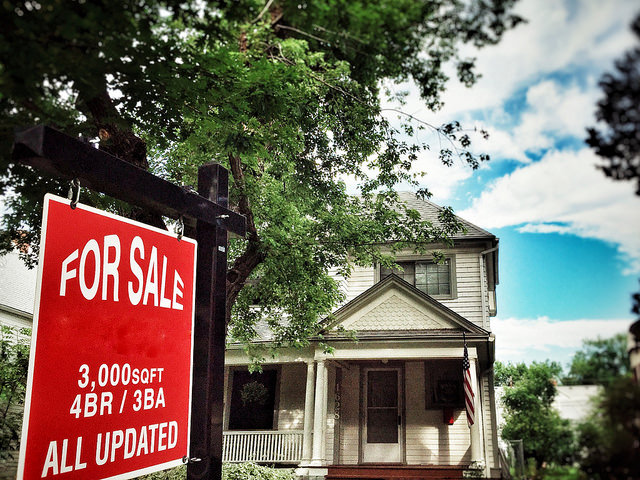
A charming house with a 'For Sale' sign in the front yard under a partly cloudy sky.

Number Of Homes For Sale To Increase In 2023


It isn’t always easy to find what you’re looking for when shopping for a house. That’s especially true when there are fewer homes for sale. Low inventory leads to competition, quick sales, bidding wars, and frustration. On the other hand, when there are more options to choose from, there are more opportunities to find a house that checks off the items on your wishlist. Which is why a recent end-of-the-year forecast has encouraging news for prospective home shoppers. The forecast, from the National Association of Realtors’ consumer website, says the number of existing homes for sale will rise more than 20 percent year-over-year in 2023. That means more homes for buyers to choose from and more chances to find one that fits their needs. Danielle Hale, the website’s chief economist, says market challenges will remain, though, so buyers will have to be prepared. “Americans who are determined to make a move will find staying up-to-date on the market, flexibility, creativity, and a healthy does of patience will go a long way toward success in the year ahead,†Hale said. (source)

Row of colorful houses under a clear blue sky.

Does Today’s Market Favor Buyers Or Sellers?


Sometimes you have no choice but to move. Maybe you need to relocate for a better job or have to get a bigger space to accommodate a growing family. Whatever the circumstances, life may force you to find a new place to live. In those cases, you don’t have the luxury to consider market conditions or whether now is the best time financially to make a move. But, if you have a move in mind and you’re not on a specific timeline, you may be wondering whether now’s the best time and if today’s market is better for buyers or sellers. Well, according to one recent analysis, the answer may be neither. The data shows that – according to key housing market metrics like sales, inventory, and time on market – the U.S. housing market entered neutral territory in October for the first time in two years, with the 100 largest markets split pretty evenly. In fact, 51 markets favored sellers, 39 were neutral, and 10 were buyer’s markets. (source)

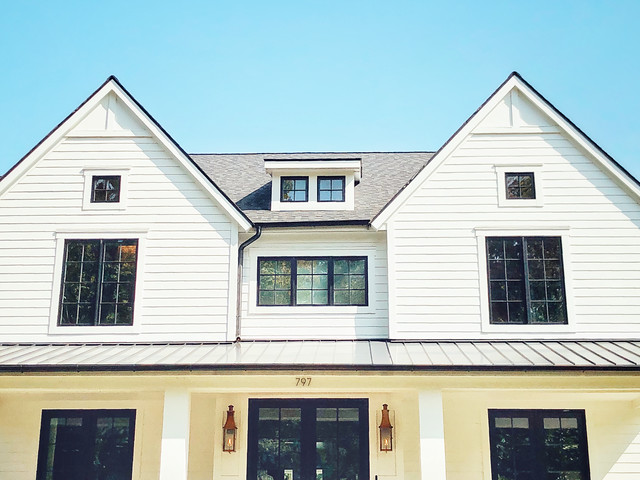
Modern white house with large windows and symmetrical design.

Number Of Contracts To Buy Down In October


When a seller accepts an offer to buy, their home’s sale is considered pending until it closes weeks later. Because of this, pending sales are a reliable indicator of future home sales numbers. That’s why The National Association of Realtors tracks them each month with its Pending Home Sales Index. According to the most recent data, contract signings were down in October, falling 4.6 percent from the previous month. Lawrence Yun, NAR’s chief economist, says October was hard for buyers but things may soon ease up. “October was a difficult month for home buyers as they faced 20-year-high mortgage rates,†Yun said. “The upcoming months should see a return of buyers, as mortgage rates appear to have already peaked and have been coming down since mid-November.†Regionally, contract signings were down in three of four regions, with only the Midwest seeing a month-over-month increase. (source)

A sign reading SALE PENDING in large red letters outdoors.

Mortgage Rates Continue To Fall


According to the Mortgage Bankers Association’s Weekly Applications Survey, average mortgage rates fell again last week. It was the third consecutive week of declines and saw rates down across most loan categories, including 30-year fixed-rate loans with conforming loan balances, loans backed by the Federal Housing Administration, 15-year fixed-rate loans, and 5/1 ARMs. Only jumbo loans increased from the week before. Joel Kan, MBA’s vice president and deputy chief economist, says economic conditions may keep rates calm. “The economy here and abroad is weakening, which should lead to slower inflation and allow the Fed to slow the pace of rate hikes,†Kan said. For now, though, rates are down 57 basis points over the past four weeks and it’s helped spur purchase activity. In fact, demand for loans to buy homes rose 4 percent from the week before – though it remains 41 percent lower than the same week one year ago. The MBA’s weekly survey has been conducted since 1990 and covers 75 percent of all retail residential mortgage applications. (source)

Close-up of a red percentage symbol on a blurred background.

Home Price Increases Continue To Slow


The S&P Case-Shiller Home Price Indices have been tracking home price data for nearly 30 years and are considered among the leading measures of U.S. home values. The closely watched gauge looks at the top metropolitan areas in the country and compares today’s prices to where they were last year at the same time, as well as where they were last month. According to the most recent release, home prices are still significantly higher than they were last year at this time, with the national index showing a 10.6 percent year-over-year gain. However, that’s down from the 12.9 percent gain in last month’s report. Additionally, month-over-month numbers show home prices down slightly. Craig J. Lazzara, managing director at S&P, says prices continue to slow. “Prices declined in every city in September, with a median change of 1.2 percent,†Lazzara said. “Year-over-year price gains in all 20 cities were lower in September than they had been in August.†(source)

Close-up of a white dollar sign on a red textured background.

Is It Better To Be Pre-Approved or Pre-Qualified?


A new survey of home sellers found 86 percent of them preferred a buyer who’s been pre-approved for a mortgage over one who’s pre-qualified. That’s the overwhelming majority and a clear indication that home shoppers should first get pre-approved for a loan before proceeding on their house hunt. But what’s the difference anyway? Well, pre-approval requires a more thorough check of your finances than pre-qualification does. That means, you’ll be asked to provide some documentation confirming your income, assets, debts, etc. It also includes a credit check. In other words, it’s a more detailed look at your financial situation and gives home sellers confidence that you’ll be able to close on time and without issue. That’s why the overwhelming majority of those surveyed chose a pre-approved buyer over a pre-qualified one. The benefit for buyers is pro-approval gives them the ability to put in a firmer, faster offer when they find a home that fits their needs and lifestyle. (source)

Two metal keys, one labeled "BALDWIN."

Thank you for your upload