

Banner
Menu

Category: Uncategorized

Mortgage Rate Drop First In 12 Weeks


According to the Mortgage Bankers Association’s Weekly Applications Survey, average mortgage rates fell last week for the first time in 12 weeks. Rates were down for 30-year fixed-rate loans with both conforming and jumbo balances, loans backed by the Federal Housing Administration, and 15-year fixed-rate loans. Joel Kan, MBA’s associate vice president of economic and industry forecasting, says the decline was caused by the invasion of Ukraine. “Mortgage rates dropped for the first time in 12 weeks, as the war in Ukraine spurred an investor flight to quality, which pushed U.S. Treasury yields lower,†Kan said. “Looking ahead, the potential for higher inflation amidst disruptions in oil and other commodity flows will likely lead to a period of volatility in rates as these effects work against each other.†Lower rates helped push demand for mortgage applications higher than the week before, with significant increases seen in both refinance and purchase activity. The MBA’s weekly survey has been conducted since 1990 and covers 75 percent of all retail residential mortgage applications. (source)


Red surface with a bold white downward arrow and text.

A Spacious Yard Tops More Buyer Wish Lists


What we want in a house doesn’t change all that much over time. Home buyers always want storage, a good kitchen, and enough bedrooms and bathrooms. But according to one new survey, there is a part of the house that has grown in importance over the past couple of years: back yards. In fact, nearly three quarters of Americans said a spacious yard would be at the top of their wish list if they were shopping for a house. So what has home buyers focused on outdoor space more than before? Well, the pandemic was part of it. Having more time to spend at home led us to spend more time in our yards. Among respondents, 24 percent said they’ve been spending more time in their yard than they did before the pandemic and a majority of survey respondents said they’ve enjoyed their yard more than before. Whether we’re using it for relaxation, gardening, dining, or even working, we’ve clearly learned to make better use of our outdoor spaces and it’s made the back yard a vital feature for today’s home buyer. (source)

Lilac flowers blooming beside a rustic wooden fence in a sunny garden.

More Americans Say It’s A Good Time To Buy


Just in time for the spring sales season to kick-off, more Americans are saying it’s a good time to buy a house. In fact, according to Fannie Mae’s most recent Home Purchase Sentiment Index – based on a monthly survey which asks Americans for their perceptions of the housing market, buying or selling a home, mortgage rates, home prices, their job and financial situation – respondents are feeling more optimistic about the market. Specifically, the component measuring whether participants think it’s a good time to buy a house rose 4 percent from the month before. But whether it’s a sign of spring or prospective buyers feeling like they need to get ahead of any upcoming rate increases is difficult to say. Doug Duncan, Fannie Mae’s senior vice president and chief economist, says respondents are definitely expecting higher rates. “A survey-record share of consumers – particularly homeowners and higher-income individuals – expect mortgage rates to increase in the next 12 months, likely owing to signals that the Fed will raise rates to slow the pace of inflation,†Duncan said. Still, the increase in buyer sentiment is a welcome change after several months of declines. (source)

A two-story beige house with dark window frames under a clear blue sky.

New Listings Improve In February


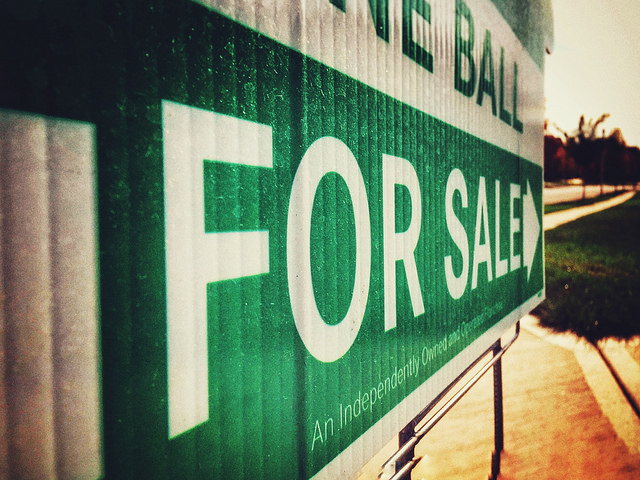
You don’t need to be an economist to understand supply and demand. It’s a pretty simple concept. When supply is low and demand is high, prices rise. That’s what’s been happening in the housing market. Home prices have been increasing because a lot of people want to buy a house but there aren’t a lot of homes available to buy. Fortunately, though, there’s reason to believe the inventory crunch that’s pushed prices higher may be starting to ease. According to a new report from the National Association of Realtors’ consumer website, the number of active listings – while still low – has showed improvement. In February, listings were 25 percent lower than one year earlier. That’s down from 28.4 percent in January. Additionally, the last two weeks of February saw more new home sellers enter the market than during the same period in 2021. In fact, the final week of the month saw new listings rise 2.1 percent over year-before numbers. While the gains may seem small, they’re an encouraging sign for buyers, since the number of listings will likely grow as the spring sales season gets underway. (source)

Close-up of a green 'For Sale' sign on a textured surface.

How Much Is The Typical Down Payment?


Figuring out how much your down payment will be and where it’ll come from is a big part of getting ready to buy a house. Whether you’re using money from the sale of your current home or saving from scratch, you have to have an idea of how much you’ll have available. Naturally, how much you’ll need depends on the specific house you’re hoping to buy and the terms of your loan. But what does the typical down payment look like these days? Well, according to one recent analysis, the median down payment on single-family homes purchased in the fourth quarter of last year was $26,000. That’s up from the previous year, when it was $21,891, but actually 1 percent lower than in the third quarter. Whatever the case, buyers should know they have options. Though widely recommended, a 20 percent down payment isn’t required. In fact, most home buyers put down less. Last year, for example, the typical down payment for first-time buyers was 7 percent, while repeat buyers averaged a down payment of 17 percent. (source)

Close-up of various US dollar bills spread out.

Mortgage Demand Flat As Rates Increase


According to the Mortgage Bankers Association’s Weekly Applications Survey, average mortgage rates increased last week from one week earlier. Rates were up across all loan categories, including 30-year fixed-rate loans with both conforming and jumbo balances, loans backed by the Federal Housing Administration, and 15-year fixed-rate loans. Higher rates didn’t have much effect on mortgage applications demand, however. In fact, applications were down less than 1 percent. Joel Kan, MBA’s associate vice president of economic and industry forecasting, says purchase activity has been slow. “Purchase activity remained weak, but the average loan size increased again, which indicates that home-price growth remains strong, and a greater share of the activity is occurring at the higher end of the market,†Kan said. While rates have been up in recent weeks, Kan says events in Ukraine may have an impact on interest rates in the days ahead. The MBA’s weekly survey has been conducted since 1990 and covers 75 percent of all retail residential mortgage applications. (source)
Scrabble tiles spelling the word 'LOANS' on a red background.

Number of Home Showings Jumped In January


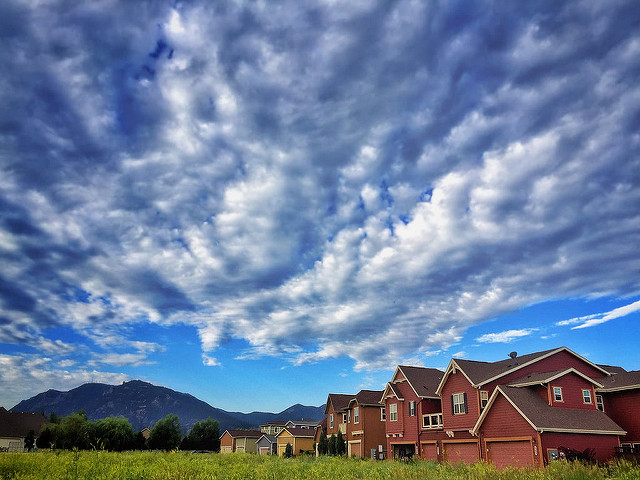
When there are fewer homes available for sale, those that are on the market receive more interest. After all, it’s easier to get buyers interested in your home, if there aren’t many others to see. That’s the case these days. Simply put, it’s a good time for homeowners who want to sell. How good? Well, according to one recent report, very good. The analysis looked at the average number of home showings per listing in January, which is a pretty accurate way to measure current buyer demand. What they found was – even at a time of year when housing market activity is typically slow – the average number of home showings reached double digits in 83 markets across the country. Nationally, showings were up nearly 8 percent over year-before numbers, and in the top markets they were closer to 15 percent higher than last year. Based on the data, there’s pretty good evidence that the market is still hot, and primed for home sellers, heading into the spring sales season. (source)

Red brick houses under a dramatic cloudy sky with mountains in the background.

What Millennial Home Buyers Want In A House


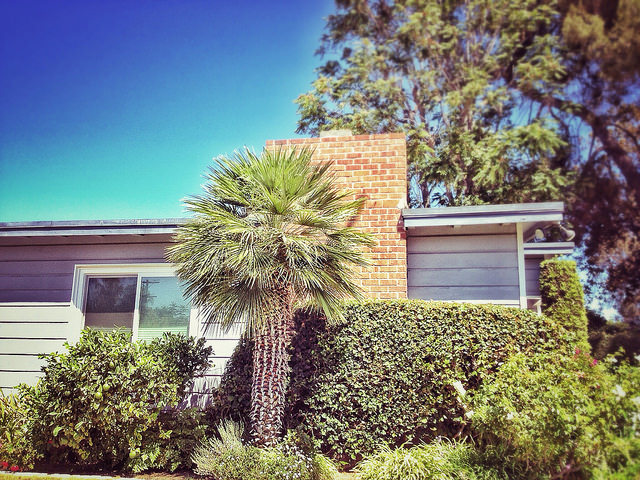
There are more millennial home buyers in the housing market than ever before. The generation – roughly defined as those born between 1981 and 1996 – is now reaching, or just past, the age of the typical first-time home buyer. In fact, in 2021, they made up 67 percent of first-time home purchase applications. So what are these buyers looking for in a house? Well, according to one recent analysis, a lot of the same things older buyers want. For example, millennials say they want a house in a safe area, near good schools, and with enough space to raise a family. Affordability is also a big factor. And while you might expect young Americans to want a fast-paced, urban lifestyle, surveys have found that millennials are just as likely to say they’re looking for a place with a big yard in a quiet neighborhood. In other words, millennial buyers’ wish lists aren’t much different than buyers of other generations. They do differ in a couple of ways, though. Among those exceptions, they’re looking for a slightly smaller house than older buyers and are more open to buying a fixer-upper. (source)

A sunny suburban house with a palm tree and lush greenery.

Contracts To Buy Homes Fall In January


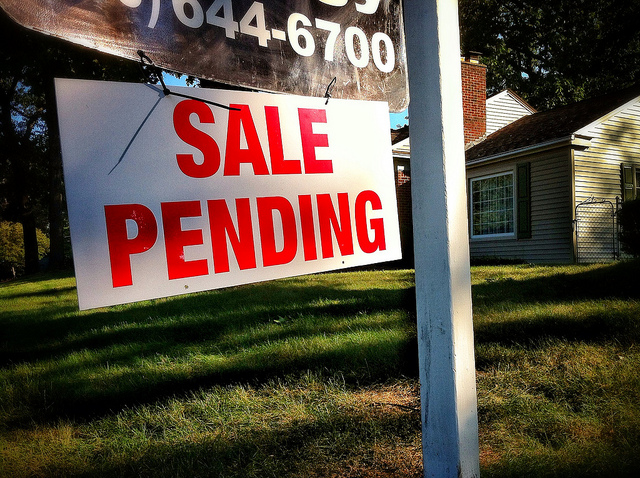
Buying a home is a process. There are several steps between the day you’re approved to borrow and the day you get keys to your new home. Among them, having an offer accepted and signing the contract to buy is a big one. Barring something unforeseen, it means you’re a few weeks away from closing on your house and getting ready to move. That’s why, after the contract is signed, the home’s sale is considered pending. It’s also why the National Association of Realtors tracks pending sales each month, because they’re a good indicator of future home sales. According to their most recent report, contract signings fell in January, dropping 5.7 percent from the month before. Lawrence Yun, NAR’s chief economist, says it’s likely because the inventory of homes for sale remains low. “With inventory at an all-time low, buyers are still having a difficult time finding a home,†Yun said. Fortunately, though, listings usually pick up in spring, when the traditional buying season begins. As more homes become available for sale, there will be more options to choose from, which should help slow price increases and competition among buyers .

A 'Sale Pending' sign posted outside a house during daylight.

Building Permit Increase Good For Buyers


Affordability is a top concern for today’s home buyers. Mortgage rates have risen recently and home prices continue to climb. But while it may seem like buyers haven’t gotten any good news lately, the most recent new residential construction report from the U.S. Census Bureau and the Department of Housing and Urban Development contains some encouraging signs. The report found that, in January, permits to build new, single-family homes rose 6.8 percent from the month before. And, because spiking home prices are primarily being driven by a historically low number of homes for sale, any news of an increase in new home construction is good news for buyers. After all, as more new homes are built, the balance of supply and demand will become more favorable, which will help slow price increases, competition, and bidding wars. In other words, increasing building permits are a positive sign that the inventory shortage may soon begin to improve, helping affordability and buyers’ chances at finding a good home that fits both their needs and budget.

Newly constructed modern house with a green exterior under a blue sky.

Thank you for your upload