

Banner
Menu

Tag: Bronx Property Management

How You Compare To The Typical Home Seller

The National Association of Realtors’ Profile of Home Buyers and Sellers takes an annual look at the who, what, where, and how of the year’s typical real-estate transaction. Based on a survey sent out across the country, the results reveal things like how much the average home seller made on the sale of their home, how buyers came up with their downpayment, and what types of homes sold, who sold them, and for how much. For example, last year’s typical seller was 54 years old, had been living in their home for 10 years, and had a median income of $100,700. The most commonly cited reason for selling a home was to find something bigger, which was named by 18 percent of respondents. Other common reasons for selling a home included wanting to live closer to friends and family and because of a new job. The majority of sellers didn’t have to offer any incentives in order to attract a buyer for their home and nearly 9 in 10 used a real-estate agent to help sell their house. The typical home seller was able to sell their home for $43,100 more than they purchased it for and got 98 percent of their final listing price. More here.

New Home Market Off To Optimistic Start


New data from the Commerce Department and the National Association of Home Builders shows builders are optimistic about the market for new homes this year. That’s an encouraging sign, as a lower than normal number of homes available for sale has caused affordability conditions to decline in recent months. If more new homes are built, buyers will have more options to choose from and home prices should begin to moderate. In December, the number of new homes that broke ground was up 11.3 percent from the month before, according to the Commerce Department. The number of permits to build single-family homes also rose, jumping 4.7 percent. Additionally, the NAHB’s Housing Market Index – which measures builder confidence on a scale where any number above 50 indicates more builders feel conditions are good than poor – scored a 67 this month. NAHB chief economist, Robert Dietz, says the group expects continued improvement this year. “NAHB expects solid 10 percent growth in single-family construction in 2017, adding to the gains of 2016,†Dietz said. “Concerns going into the year include rising mortgage interest rates as well as a lack of lots and access to labor.†Regional results show three-month moving averages up slightly in the Northeast and Midwest, while the West and South held steady at 79 and 67, respectively. More  here.

Bulldozer moving earth at a construction site under a blue sky.

Where Millennial Home Buyers Are Buying Now


The fact that young Americans aren’t buying homes at the rate they used to isn’t news. Ever since the housing crash, Millennial homeownership rates have been lower than historically normal. In fact, homeownership rates among buyers between the ages of 18 and 34 dropped 8 percent between 2006 and 2015. There are, of course, many factors that have made it difficult for younger Americans to buy in recent years – including student loan debt, a challenging job market, rising rent, and higher home prices. However, though overall numbers show fewer first-time buyers active in the market, in some cities Millennial home buyers are actually quite well represented. Take Elk Grove, CA, for example. In Elk Grove, the homeownership rate among people under the age of 35 was just over 60 percent in 2015, mostly due to its proximity to major metropolitan areas and a median home value around $350,000. Other cities that have an above average number of Millennial home buyers include Sioux Falls, SD, Bakersfield, CA, Peoria, IL, Cary, NC, and Chattanooga, TN. And, though they all have a different mix of factors, the most common thread among all the top cities for younger buyers are affordable homes for sale and a growing economy. More here.

A close-up of a 'SOLD' sign in front of a tree and a house.

The Top Buyer Fears And How To Fight Them


For a lot of people, buying a home is both exciting and a little bit intimidating. On the one hand, it’s seen as a vital part of achieving the American dream and, on the other, it’s a major financial undertaking that comes with some real risks. So what are some of the top fears of potential home buyers? Well, according to one recent article, the biggest fear is that their new house will fall in value. Considering recent history, this isn’t a surprising concern, but it is one that can be addressed. With the help of a knowledgable real-estate agent, you can pinpoint the dangers of a particular property and weigh them against potential positives like good schools and nearby amenities. Sure, you can’t be 100 percent sure about what the future holds, but you can protect yourself by buying in a good neighborhood with a history of holding its value. The costs of homeownership are another big concern among prospective buyers. Not only do buyers worry about being able to handle their mortgage payment but they also worry about potential maintenance costs. One way to protect yourself is to make sure you know what you’re getting. Look for a property that has had some of its major features – such as the roof or furnace – recently upgraded or replaced. Another fear is buyer’s remorse. This is natural. The best way to handle it is to be sure you know what you’re looking for, what you will compromise on, and what you won’t consider. Also, lean on the experienced professionals you’ve hired to help you along the way. The best insurance against any future regrets is doing your homework and heeding the advice of your agent and mortgage lender. More here.

Silhouette of a hill with the text about buyer fears and fighting them.

Home Size Shrinks For First Time Since 2009


For many years now, the average size of a newly built home has been going up. In fact, by 2015, the typical new home was 2,689 square feet – by comparison, the average was 1,660 square feet in 1974. That longtime trend took a step back last year, however. In 2016, the average new home fell 55 square feet. And, though that doesn’t sound like much, it is the first time in eight years new homes were smaller than the year before, according to Rose Quint, the National Association of Home Builders assistant vice president for survey research. “The data on new home characteristics show a pattern,†Quint said. “2016 marked the end of an era that began in 2009 when homes got bigger and bigger with more amenities. I expect the size of homes to continue to decline as demand increases from first-time buyers.†But though Quint believes home size will continue to fall as more first-time buyers enter the market, she doesn’t expect added features and amenities to become less popular. In fact, Quint says a majority of home buyers would prefer amenities and features over square footage. “More than two-thirds are willing to trade size for high quality products and features,†Quint said. Among the most coveted home features, a separate laundry room, energy-efficient windows and appliances, outdoor living space, exterior lighting, and a full bath on the main floor rank high. More here.

New two-story house under construction on a sunny day.

Market Movement Sends Mortgage Rates Down


According to the Mortgage Bankers Association’s Weekly Applications Survey, average mortgage rates fell last week across all loan categories, including 30-year fixed-rate mortgages with both conforming and jumbo balances, loans backed by the Federal Housing Administration, and 15-year fixed-rate loans. The drop marks the second-straight week-over-week decline and follows a period, after the election, when mortgage rates rose for several consecutive weeks. Lynn Fisher, MBA’s vice president of research and economics, says markets are still adjusting. “Ten-year Treasury yields fell the week following New Year’s Day as markets continue to adjust their expectations about the incoming administration and Federal Reserve policy,†Fisher told CNBC. Typically, mortgage rates follow the yield on the U.S. 10-year Treasury. Despite the recent volatility, though, mortgage rates are still just slightly higher than they were at the same time last year. Also in the report, as a result of mortgage rates moving lower, both refinance and purchase activity was up from one week earlier – with the Purchase Index up 6 percent from the previous week. The MBA’s weekly applications survey has been conducted since 1990 and covers 75 percent of all retail residential mortgage applications. More  here.

A glowing red arrow pointing downwards with text about mortgage rates falling.

The Cost Of Renting Continues To Climb


Naturally, affordability is a concern for anyone deciding whether they’ll rent or buy their next home. Buying a house is a significant undertaking and involves a number of costs and responsibilities that renters don’t have to worry about. That, however, doesn’t necessarily mean that renting is always going to be the more affordable option. In fact, rent has been climbing for years and continues to increase, according to a recent analysis from ABODO. The analysis determined that the average renter last year paid $1,001 per month for a one-bedroom home and the average month-over-month increase was .67 percent. In short, the average rent rose about $85 from where it was at the beginning of last year to where it ended up at the end of the year. Still, when looked at on a state-by-state basis, rental prices vary greatly. For example, the average rent in states like Georgia, Tennessee, and North Carolina is far lower than it is in areas like the District of Columbia, California, and New York. However, that doesn’t mean rents aren’t rising in metropolitan areas within states with lower overall averages. A look at the cities with the largest average monthly increase in rental costs shows Columbus, GA, Raleigh, NC, and Nashville, TN among the top 10, while San Francisco, Oakland, and Las Vegas experienced some of the largest declines in monthly rent. More here.

Brick building with intricate fire escape ladders on the facade.

Survey Finds Americans In The Mood To Buy


There are an endless number of reasons you might decide to buy a home at any particular time in your life. Whether you just got a new job on the other side of town or are looking for a place closer to family, the motivation behind a move is usually very personal. But there are economic factors at play, as well. Your financial situation, optimism about the future, and perception of the market can also influence a decision to stay where you are or pack your belongings. Fannie Mae’s monthly Home Purchase Sentiment Index looks at how Americans are feeling about buying a home, the real estate market, and their personal economic outlook. In December, the overall index fell slightly from the month before, though the number of Americans who said they thought it was a good time to buy a house was up from November. Doug Duncan, Fannie Mae’s senior vice president and chief economist, says there’s been an increase in economic optimism recently but whether it carries through the rest of the year is uncertain. “A spike in economic optimism in the immediate aftermath of an election is typical,†Duncan said. “Whether consumers will sustain this level of optimism into 2017 remains unclear … If this optimism comes to fruition, it should translate into stronger income growth and increased job security for consumers – the two HPSI components that could help support housing sentiment this year.†More here.

A large two-story blue house with white trim under a cloudy sky.

The Top Spots For Buying A Second Home


Buying a second home is a common dream. Whether you want a place at your favorite vacation spot or a getaway close to home, it’s fun to imagine the possibilities. And, according to recent estimates from the National Association of Home Builders, millions of Americans are doing more than imagining them. There are 7.5 million houses that are being used as second homes across the country. That’s 5.6 percent of the nation’s housing stock. But where are the most popular locations for people looking to buy a second home? Well, not surprisingly, the counties that contain the largest share of second homes are mostly rural and scenic with low populations. Hamilton County, NY topped the list with 79.3 percent of homes classified as second residences. Forest County, PA, Rich County, UT, Alpine County, CA, and Daggett County, UT rounded out the five counties with the highest share of second homes. However, when you break down the data based on the number of second homes in any given county – rather than the percentage – the top 10 follows a less rugged path. In fact, warm weather counties near metro areas lead the list, which includes Maricopa County, AZ, Palm Beach County, FL, Lee County, FL, Los Angeles County, CA, Broward County, FL, and Riverside County, CA among the top 10. More here.

Sunny beach with clear blue skies and rocky cliffs in the distance.

What Are The Country’s Hottest Markets?


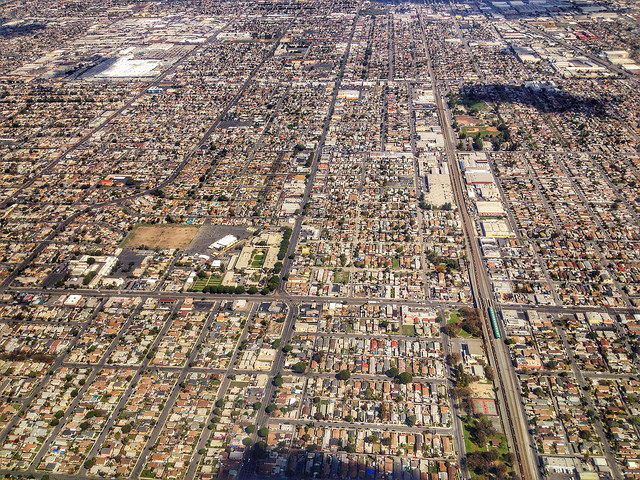
Buying a home is a major financial transaction that involves piles of paperwork, years of savings, and the weight of new responsibilities. It’s also about your dreams, though. That’s why, no matter where you live, it can be fun to think about packing up and moving somewhere new. But where would you go, if you were to move away? Well, according to Freddie Mac’s most recent Multi-Indicator Market Index, the hottest housing market in the country right now is Dallas. The index – which compares current data to historical norms in all 50 states and the top 100 metropolitan areas – looks at things like home purchase applications, payment-to-income ratios, proportion of on-time mortgage payments, and the local job market in an effort to gauge how quickly individual housing markets have rebounded from their post-crash lows. Based on those factors, Dallas leads a list that includes Nashville, Honolulu, Ogden, UT, and Los Angeles among the cities that have the healthiest housing markets. But, despite booming markets in some areas of the country, there are others that are still climbing upward. “While we see strong house price growth in markets like Dallas, Houston, Orlando, Phoenix and others, most are still well below their pre-2008 peak and still have significant room for improvement,†Len Kiefer, Freddie Mac’s deputy chief economist, said. That means, whether you fantasize about a good deal in a far-off state or are looking to move to a hot spot closer to home, you’re only limited by your imagination. More here.

Aerial view of a sprawling urban area with grid-like streets and dense housing.

Thank you for your upload