

Banner
Menu

Tag: Bronx Property Management

Homeowners Often Overestimate Their Home’s Value

For home buyers and sellers, appraisals are important. They represent an official reading of what a particular property is actually worth, as opposed to what its owner hopes to sell it for. Based on similar properties in the same area, an appraiser will look at a house, compare it to recently sold homes in the neighborhood, and determine what the home’s current market value is. Of course, their estimation may catch the current owner by surprise if it comes in either higher or lower than they expected. And, according to one index that tracks price perceptions, they often do. In fact, Quicken Loans’ Home Price Perception Index found the average appraisal value was 1.47 percent below homeowners’ estimates when looked at nationally, though that percentage varies widely depending on where you look. For example, in many western cities – including Denver, Portland, San Francisco, and Los Angeles – appraised values were as much as 3 percent higher than homeowners estimated, while appraisals came in below expectations more often in cities on the East Coast and in the Midwest. If you’re selling, refinancing, or buying a home, it’s a good idea to familiarize yourself with what homes are currently selling for in your area. That way, if and when you call for an appraisal, you’ll be less likely to end up surprised by the result. More here.
Dollar-House

59 Million Americans Say They Want To Buy


A recent survey conducted by Princeton Survey Research Associates says 59 million Americans are considering buying a home this year. That’s roughly one in four adults. Conducted on behalf of Bankrate, the survey shows the strongest demand among parents with young children and adults between the ages of 27 and 52 – not surprising considering the lower-than-usual number of first-time home buyers active in the market over the past few years. Holden Lewis, a mortgage analyst with Bankrate, says there’s a lot of pent-up demand among younger buyers. “They have been stymied by stagnant wages, student loans and a lack of available starter homes,†Lewis said. “If enough affordable homes are put on the market, we might see a surge of first-time home buyers in their early to mid-30s.†That, however, is the big question for home buyers this year. Will there be enough affordable homes on the market to support the increasing number of interested buyers? There have been signs recently that home builders are beginning to build smaller, more affordable homes but, without a spike in the number of Americans hoping to sell their homes, buyers may face another competitive spring market this year. More here.

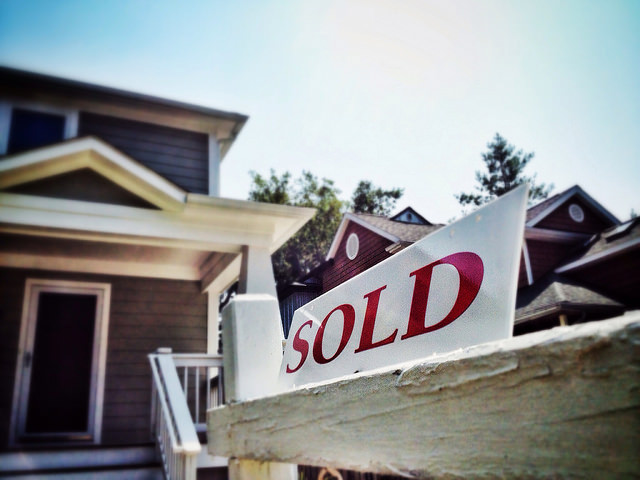
A sold sign in front of a house on a sunny day.

Will Wage Increases Offset Affordability Worries?


Buying a home is not something many people do without weighing the pros and cons. After all, there are a lot of factors that play into whether or not a homeowner decides to sell their house or a renter makes the jump and buys a home of their own. Mortgage rates, home prices, employment conditions, and personal finances can all play a role for Americans deciding whether or not to enter the housing market. For this reason, Fannie Mae’s monthly Home Purchase Sentiment Index measures how consumers are feeling about their financial situation and the real-estate market in an effort to gauge overall optimism and how likely Americans are to buy or sell a home this year. In January, the index moved up after five consecutive months of decline. The bump in optimism was mostly related to an increasing sense of job security and a spike in the number of respondents who said their household income is significantly higher than it was at the same time last year. Doug Duncan, Fannie Mae’s senior vice president and chief economist, says optimism about economic conditions is high but whether that means more home buyers and sellers this spring remains to be seen. “Any significant acceleration in housing activity will depend on whether consumers’ favorable expectations are realized in the form of income gains sufficient to offset constrained housing affordability,†Duncan said. More here.

Close-up of a twenty-dollar bill showing Andrew Jackson's portrait.

Older Home Buyers May Ignite Housing Boom


Baby boomers are reaching retirement age and many of them have expressed a desire to move from their current home. Whether they’re downsizing or buying their dream house in another state, what these boomers do in retirement will have an effect on the housing market over the next several years. Because of this, the National Association of Home Builders saw a big end-of-the-year jump in their quarterly 55+ Housing Market Index. In fact, during the fourth quarter of last year, the index – which measures builders’ confidence in the market among buyers over the age of 55 – reached its highest level since the survey began in 2008. Dennis Cunningham, chairman of the NAHB’s 55+ Industry Council, says some of the optimism was due to the November election but demographics also play a large role. “Builders and developers in this market segment are also encouraged by the fact that for the next 15 years, 10,000 baby boomers will be turning 65 every day,†Cunningham said. “The consistent pressure of this age group wanting to downsize from a large home, shifting to other regions of the country or just simply looking for a newer home or community also plays a key role in the index movement.†More here.

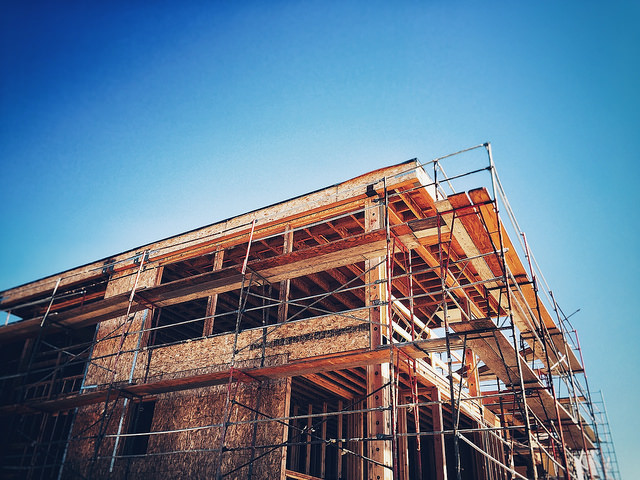
Wooden framework of a building under construction against a clear blue sky.

How Long Does It Take To Break Even On A House?


Conventional wisdom says, after buying a house, you should stay there at least five years before selling. The reason is that, due to the substantial upfront costs of buying a home – including the down payment, closing costs, etc. – you need to allow yourself some time to build up equity in order to recoup that money. However, the exact amount of time it takes to break even will vary from market to market. After all, home values don’t rise at the same exact rate in every town across the country. In fact, according to Zillow’s Q4 2016 Breakeven Horizon report, the typical break even point can be anywhere from just under a year and a half to over five years, depending on where you live. For example, home buyers break even fastest in markets in the South and Midwest, such as Indianapolis, Orlando, Detroit, Atlanta, and Tampa. On the other end of the spectrum, California homeowners have the longest break even points. Buyers in cities like San Jose, San Francisco, Los Angeles, and San Diego should expect to stay in a house at least four years before they break even. Of course, there are a lot of factors that go into determining how long it’ll be before you have enough equity in your house to make back the money you put down to purchase it. But with the national average at just under two years, planning on staying in your home for five years seems like a safe bet. More here.

Close-up of a 1999 US penny featuring Abraham Lincoln.

Mortgage Rates Moved Higher Last Week


According to the Mortgage Bankers Association’s Weekly Applications Survey, mortgage interest rates moved up last week. Rates increased for 30-year fixed-rate loans with both jumbo and conforming balances, as well as 15-year fixed-rate mortgages. Loans backed by the Federal Housing Administration saw rates flat from the week before. The rate increase contributed to a 3.2 percent drop in the number of Americans requesting applications for loans last week. Another reason for the drop in demand, according to MBA chief economist, Michael Fratantoni, was changes to a proposal that would’ve reduced mortgage insurance premiums on FHA loans. “Following the decision to suspend a proposed decrease in the FHA mortgage insurance premium, FHA refinance applications dropped more than 25 percent, while FHA purchase applications fell almost 6 percent,†Fratantoni told CNBC. Still, even with last week’s decline, the number of applications for loans to buy homes remains higher than it was last year at the same time and Fratantoni continues to believe home sales this year will exceed last year’s levels. The MBA’s weekly survey has been conducted since 1990 and covers 75 percent of all retail residential mortgage applications. More here.

Close-up of an upward arrow key on a keyboard.

Pending Home Sales Rise In December


When a buyer signs a contract to purchase a home, it is referred to as a pending sale because it usually takes a few weeks before the transaction closes and the house is considered officially sold. Since most of these transactions end in a sold house, the National Association of Realtors tracks them as a way of predicting the number of final sales that will be seen in coming months. In December, the NAR found pending sales up 1.6 percent from the month before. Lawrence Yun, NAR’s chief economist, says the year ended on a high note. “Pending sales rebounded last month as enough buyers fended off rising mortgage rates and alarmingly low inventory levels to sign a contract,†Yun said. “The main storyline in the early months of 2017 will be if supply can meaningfully increase to keep price growth at a moderate enough level for households to absorb higher borrowing costs.†Yun also points out that home sales figures vary depending on the price of the house. For example, sales of homes above $250,000 were up 10 percent over the year before in December. By comparison, sales of homes under $100,000 fell 11.6 percent. This indicates that there are more homes for sale at the higher end of the market than there are at more affordable levels. However, an expected increase in the number of new homes built this year could help balance the market, offering buyers more choices and helping to moderate future price increases on existing homes.

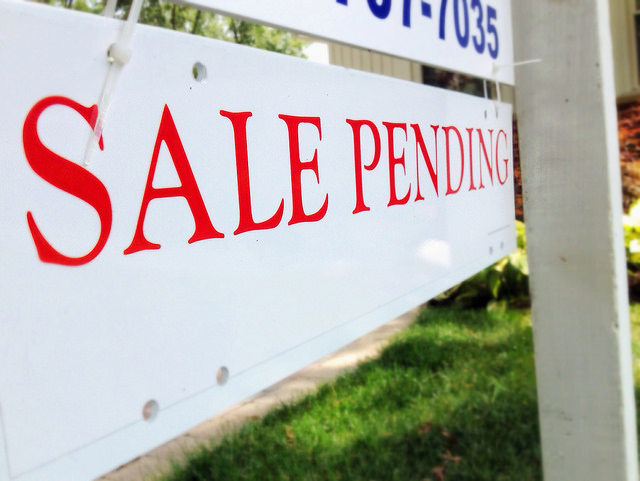
Close-up of a 'Sale Pending' sign in a grassy outdoor setting.

New Home Sales Rose 12.2% Last Year


The number of new homes sold last year was 12.2 percent higher than it was the year before, according to new estimates released by the U.S. Census Bureau and the Department of Housing and Urban Development. The numbers show an estimated 563,000 new homes were sold in 2016, compared to 501,000 one year earlier. Still, much like the recently released existing-home sales data, the report also shows sales slowing at the end of the year. In fact, December sales fell 10.4 percent from November’s estimate. That is likely due to a number of factors, however – including the holiday season, rising mortgage rates at the end of the year, and the natural volatility of month-over-month sales numbers. Despite the December drop, sales still managed to have their best year since 2007 and, with builders recently expressing renewed confidence in the market, this year could see yet another improvement. Also in the report, the median price of a new house sold in December was $322,500; the average sales price was $384,000. Regionally speaking, sales were up in the Northeast but down in the Midwest, South, and West. More here.

A house under construction wrapped in Tyvek HomeWrap surrounded by trees.

Home Buyers Not Deterred By Higher Rates


According to the Mortgage Bankers Association, mortgage rates increased last week but, despite higher rates, so did demand for mortgage loan applications. In fact, the number of Americans requesting applications for loans to buy homes was up 6 percent from the week before, reaching its highest level since last June. Lynn Fisher, MBA’s vice president of research and economics, said wage growth may be softening the effects of higher interest rates. “Although it is still early in the home buying season, purchase activity remains on par with a year ago, suggesting that recent wage growth of nearly 3 percent is helping to offset the increase in interest rates,†Fisher told CNBC. “This trend is also consistent with other reports of home buying activity.†Still, higher rates have slowed refinance activity, which was essentially flat from the week before. That may be due to the fact that mortgage rates rose for the first time this month and were up across all loan categories – including 30-year fixed-rate loans with both conforming and jumbo balances, 15-year loans, and loans backed by the Federal Housing Administration. The MBA’s survey has been conducted weekly since 1990 and covers 75 percent of all retail residential loan applications. More here.

A suburban house under a sky with 'MORTGAGE' written across it.

Existing Home Sales Have Best Year Since 2006


In 2016, sales of previously owned homes reached their highest level in 10 years, according to new estimates from the National Association of Realtors. A combination of low mortgage rates and an improving economy helped push sales higher than the year before. Still, they remain about 1 million short of where they were in 2006. Lawrence Yun, NAR’s chief economist, says conditions were favorable for most of the year but December sales declined from the month before. “Solid job creation throughout 2016 and exceptionally low mortgage rates translated into a good year for the housing market,†Yun said. “However, higher mortgage rates and home prices combined with record low inventory levels stunted sales in much of the country in December.†In fact, sales were down 2.8 percent from November, though they remain 0.7 percent higher than they were a year earlier. Still, lower-than-normal inventory levels mean prices could continue to see upward pressure unless more homeowners put their homes up for sale or new home construction ramps up this year. Also in the report, home prices rose 4 percent from December 2015 and inventory has now fallen year-over-year for 19 consecutive months. More here.

Close-up of a 'For Sale' sign on a property.

Thank you for your upload