

Banner
Menu

Tag: condo management

The Truth About Affordability Conditions


If you’re like most home buyers, affordability is among your top concerns. After all, the first question you ask when deciding to buy a house is typically going to be whether or not you can afford it. So recent news reports showing mortgage rates and home prices on the rise may have you feeling like buying a house isn’t within your reach. But that’s not necessarily true, according to a new analysis from First American Financial Corp. Their Real House Price Index looks, not only at prices, but also at income and interest rate changes. In other words, it gives a fuller picture of how much buying power the average American has. The most recent results show that affordability conditions have actually improved lately. Mark Fleming, First American’s chief economist, says conditions aren’t as favorable as they were last year at this time but they’re still high when compared to historical norms. “While affordability is lower compared to a year ago, the level of affordability in most markets is still high by historical standards, which is why demand is expected to remain strong this spring,†Fleming says. In other words, affordability conditions may not be what they were last year but there are still opportunities to capitalize in today’s housing market. More here.


Close-up of Ulysses S. Grant on a fifty-dollar bill.

Some Simple Steps To A Greener Home


There are a variety of reasons you might want to make your home green. From allergies to energy bills, giving your home an environmentally minded upgrade can not only be better for your health and utility costs, it can also improve the value of your home when it comes time to sell. It is true, after all, that energy efficiency consistently ranks near the top of home buyers’ wish lists. The good news, if you’re considering steps to a greener home, is that there are many things you can do that aren’t necessarily expensive or all that time consuming. From smart technology to natural household cleaners, if you’re interested in a greener life, there are plenty of products and practices that can help you achieve it. According to Marla Esser Cloos, author of a new book published by the National Association of Home Builders, the key is incorporating new habits into your day-to-day life. “Living green has to be a blend of the stuff you buy and the things you do,†she says. “If each of us built five simple practices or changes in buying habits into our daily routines, we would all soon have our own everyday green homes – and we would change the world.†To get going, buy some energy-efficient light bulbs or start a garden, then work your way up to replacing your old windows and upgrading your insulation. No matter where you live or what your budget may be, there are things you can do today to begin making your home green. More here.

Text with greenery background reads 'How to Make Your Home Green'.

Sales Numbers Show Homes Selling Quickly


Though the number of previously owned homes sold in February fell from the month before, homes sales are still up from one year ago. There’s also no shortage of interested home buyers, according to a new report from the National Association of Realtors. In fact, Lawrence Yun, NAR’s chief economist, says buyer traffic is stronger than last year and it’s leading to quick sales. “Realtors are reporting stronger foot traffic from a year ago, but low supply in the affordable price range continues to be the pest that’s pushing up price growth and pressuring the budgets of prospective buyers,†Yun says. “Newly listed properties are being snatched up quickly so far this year and leaving behind minimal choices for buyers trying to reach the market.†A closer look at the numbers shows that for-sale properties typically stayed on the market for 45 days in February – down from 59 days last year at the same time. In other words, until more homeowners decide to sell, buyers should be prepared to move quickly. Fortunately, though, the number of available homes for sale rose 4.2 percent last month and a recent survey found an increasing number of current homeowners who said they feel it’s a good time to sell. As more homeowners put their homes up for sale, the market should begin to balance and give buyers more opportunities. More here.

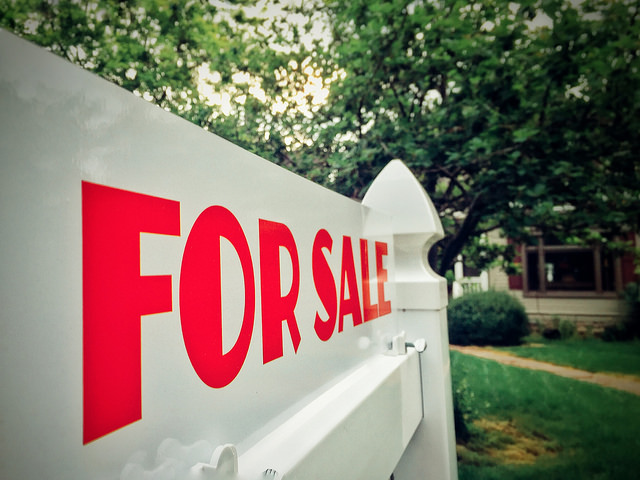
A bright red "For Sale" sign in front of a house.

Average Mortgage Rates Mostly Steady Last Week


Demand for home loans dropped last week, according to new figures from the Mortgage Bankers Association. The MBA’s Weekly Applications Survey – which tracks mortgage rates and application demand – showed a 2.7 percent decline in the number of Americans requesting applications for home loans. This time, however, the drop wasn’t related to a significant increase in mortgage rates. In fact, average rates were unchanged for 30-year fixed-rate loans with conforming loan balances, down for jumbo loans, and up only slightly for FHA and 15-year fixed-rate loans. In other words, mortgages rates were relatively steady from the week before. However, they are up from where they were last fall. Because of this, Mike Fratantoni, MBA’s chief economist, says home buyers are beginning to turn to adjustable rate mortgages. “Home buyers in a strong housing market are looking for ways to extend their purchasing power and ARMs are one way to do that,†Fratantoni told CNBC. Last week, adjustable rate mortgages increased to 9 percent of total application demand. But though that’s the highest it’s been in nearly three years, it’s still far below what it was before the housing crash, when it hit a peak of 35 percent. The MBA’s weekly survey covers 75 percent of all retail residential mortgage applications and has been conducted since 1990. More here.

Close-up of a loan application form showing interest rate details.

City Living May Cost More Than Move To Suburbs


Whether you prefer to live in the city or suburbs depends on a lot of factors. From the size of your family to your age and career, there are many different considerations that come into play when deciding where you might want to settle down. Of course, money is always a major one. Joyce Hodel, a data scientist at Care.com – who recently partnered with Zillow on a cost of living analysis that looked at average housing and child care costs in cities as opposed to suburbs – says choosing where to settle down is a big decision for any family. “Figuring out where your family will live and grow is arguably one of the most exciting and daunting times in a parent’s life,†Hodel says. “While moving to the suburbs often brings significant cost savings, city living can still be the right choice for some families and is less expensive in certain metro areas.†In fact, according to the research, families spend an average of just over $9,000 a year more on basic housing and child care costs when living in cities. However, in some metro areas like Philadelphia and Baltimore, living in the city can actually be the more affordable option. More here.

Low-angle view of a historic red brick building under a clear blue sky.

Builder Confidence Reaches 12-Year High


There are a lot of stages a house goes through on its way to becoming someone’s home. And one of the most important steps along that path is its construction. Because builders are there at the beginning of the process, they have an unique perspective on, not only the market, but also home buyers and their preferences. For this reason, the National Association of Home Builders surveys builders each month to get their perspective on the market for new homes. According to the most recent results, builders are more confident than they’ve been at any time since June 2005. But though their optimism hit a 12-year high, Robert Dietz, NAHB’s chief economist, says builders still face some challenges. “While builders are clearly confident, we expect some moderation in the index moving forward,†Dietz said. “Builders continue to face a number of challenges, including rising material prices, higher mortgage rates, and shortages of lots and labor.†Still, optimism is high, not only about current sales conditions, but also future prospects. In fact – on a scale where any number above 50 indicates more builders view conditions as good than poor – the index component measuring sales expectations over the next six months was up five points to 78. This is encouraging news for buyers because a strong new home market means more new homes get built and more new home construction means less upward pressure on home prices. More here.

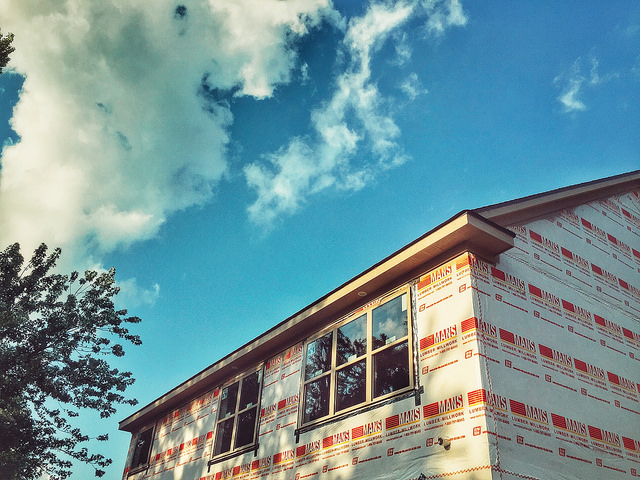
House construction under a partly cloudy sky.

Mortgage Demand And Rates Both Climb Higher


According to the Mortgage Bankers Association’s Weekly Applications Survey, average mortgage rates increased last week across all loan categories, including 30-year fixed-rate loans with both conforming and jumbo balances, loans backed by the Federal Housing Administration, and 15-year fixed-rate mortgages. But despite higher rates, demand for mortgage applications also rose from the week before. In fact, refinance activity was up 4 percent and demand for loans to buy homes moved 2 percent higher than one week earlier. One possible reason for the increase could be a wave of homeowners and prospective buyers trying to lock in rates before they move any higher. But another factor could be job growth. Michael Fratantoni, MBA’s chief economist, told CNBC they expect Americans’ improving financial health to outweigh the potential negatives of higher mortgage rates. “February’s job report showed strong job growth and faster wage growth,†Fratantoni said. “We expect that the benefits from growing household incomes will continue to outweigh the headwind of slightly higher mortgage rates.†The MBA’s weekly survey has been conducted since 1990 and covers 75 percent of all retail residential mortgage applications. More here.

Bright yellow traffic arrows painted on a worn asphalt surface.

Will Your Next Home Be Bigger Or Smaller?


Over the past 40 years, the typical new home has grown about 1,000 square feet. It seems, for American homeowners, their current home is always smaller than the home they hope to one day buy. But is that always the case? Well, not according to a recent survey from Trulia. Sure, the results show just 32 percent of homeowners say they’d move into a house the same size as the one they currently own. But whether that’s because they feel their house is too big or too small depends on some other factors. Generally, older homeowners and people currently living in homes larger than 2,000 square feet say they’d prefer to downsize, while younger buyers and those living in smaller homes dream of a bigger house. Most of that makes perfect sense. For example, older homeowners may prefer a smaller house due to the maintenance and upkeep issues that a bigger home presents. But when the number of people who say they’d prefer a smaller house rises along with the square footage of their current home, it suggest that there may be, in fact, a point when a house has more space than necessary, regardless of your age. In short, though new homes may keep getting bigger, whether or not you want one probably has more to do with the size of your family, your financial situation, and future life goals. More here.

A small house model sits on a mound of dirt in front of real houses.

Why Aren’t More Homeowners Looking To Sell?


Recent real estate data shows home buyer demand is high. There are a lot of buyers looking to take advantage of current conditions out of concern that mortgage rates may go up this year or prices will rise further. That, along with pent-up demand from younger buyers and previously underwater homeowners looking to finally move, means it should be a great time to sell a house. So, if buyer demand is up and conditions are right, why aren’t more homeowners putting their homes up for sale? Well one reason, according to a recent survey, is that they’re afraid they won’t be able to find a suitable replacement for their current home. With inventory tight in many markets, some homeowners – who may otherwise be ready to sell – say they’re hesitant. However, as more homeowners get in the market and off the sidelines, that will begin to change. In the meantime, buyers looking to purchase a home this spring should expect to see available homes for sale selling more quickly than they did last year. In other words, there will likely be some competition for hot properties. That means, interested buyers will have to move fast. One way to beat the competition is to be prepared. If you’re a buyer, have your financing lined up in advance. That way, when you find a home you’re interested in, you’ll have a better shot at getting in the first offer. More here.

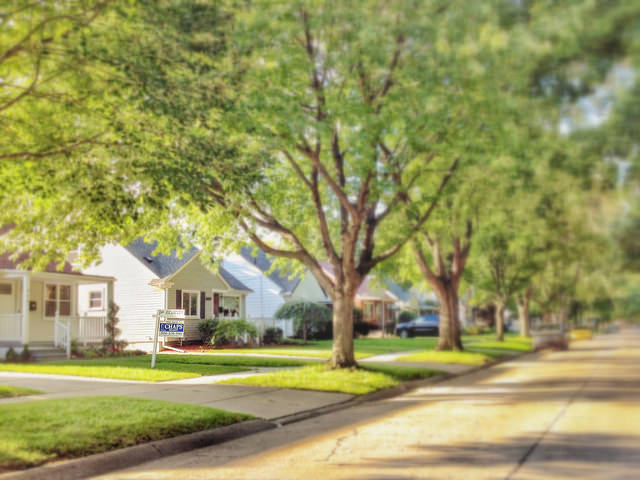
Tree-lined suburban street with houses and a sidewalk.

The Return Of The Gen X Home Buyer

Generally, Generation X is used to refer to people born in the 1960s and ’70s. Because they reached peak home buying age right around the time home prices began to drop, many found themselves underwater on their mortgage and unable to sell their house and upgrade to a larger home. Now, according to the National Association of Realtors 2017 Home Buyer and Seller Generational Trends study, there is evidence that there are an increasing number of Gen X home buyers active in the market. In fact, the most recent increase in buyers from this category was the largest since 2014. Lawrence Yun, NAR’s chief economist, says Gen X homeowners have been in their homes a median of 10 years but may now finally be in a position to put their homes on the market. “Fortunately, the much stronger job market and 41 percent cumulative rise in home prices since 2011 have helped a growing number build enough equity to finally sell and trade up to a larger home.” And, because the number of homes available for sale is low in many markets, a growing number of Generation X homeowners ready to sell could provide the needed inventory boost that helps balance the market and moderate future home price increases. More here.


Thank you for your upload