

Banner
Menu

Will Next Year Be Good For Home Buyers?


Home buyers have a lot to consider. They have to think about the size and location of the house they’ll buy, how much storage it’ll have, the school district, how many bathrooms, the kitchen, mechanical systems, the roof, the neighborhood, etc. It’s a lot. But, if that weren’t enough, it’s also important to consider market conditions and what the financial side of buying looks like. So what can buyers expect to find when shopping for a house in 2020? Well, according to a new forecast from the National Association of Realtors’ consumer website, there’s good news and bad. More new homes, low mortgage rates, and slower price appreciation are all encouraging signs for hopeful home buyers. Add to that easier access to credit and it sounds like a good time to buy. However, challenges will remain. For example, low inventory remains a big issue for the housing market and, in areas where there are more buyers than homes for sale, it may take longer to find a home. This is especially true for first-time buyers. New home construction has largely been limited to higher-end homes, which means affordable homes in entry-level price ranges may be harder to come by. More here.
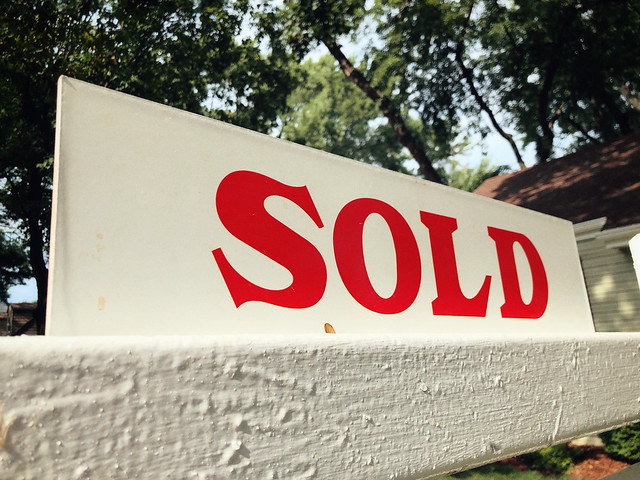

Close-up of a 'SOLD' sign on a white post with trees in the background.

Purchase Market Healthy As 2019 Wraps Up


According to the Mortgage Bankers Association’s Weekly Applications Survey, average mortgage rates were mostly flat last week from the week before. Only rates for 30-year fixed-rate loans with jumbo balances and loans backed by the Federal Housing Administration saw much movement, with each seeing slight increases. Despite flat rates, however,the refinance index fell 16 percent and brought overall demand down. Purchase activity, on the other hand, saw a 1 percent increase. Joel Kan, MBA’s associate vice president of economic and industry forecasting, said the purchase market looks healthy as the year comes to a close. “The purchase market overall looks healthy as we enter the home stretch of 2019,†Kan said. “The seasonally adjusted purchase index was at its highest level since July, as a combination of wage gains, slower home-price appreciation, and slightly easing inventory conditions continue to support increased activity.†The MBA’s weekly survey has been conducted since 1990 and covers 75 percent of all retail residential mortgage applications. More here.

Suburban neighborhood under a vibrant blue sky with scattered clouds.

More New Homes Could Spell Relief For Buyers


With the job market strong, mortgage rates low, and buyer demand up, the housing market seems ready for a boom. But because there’s been fewer homes for sale than normal, it hasn’t happened. Now, according to a new forecast from the National Association of Realtors, things may be starting to change. That’s because, the number of single-family homes expected to be built next year should total 1 million, which is the highest number since 2007. And, with more new homes being built and put on the market, buyers will have more choices, affordability will improve, and sales will increase. Lawrence Yun, NAR’s chief economist, says inventory has been the primary factor holding housing back. “All the factors that contribute to higher home sales like the job situation are terrific, and of course mortgage rates are critical to buying a home and those are favorable,†Yun said. “All the factors are lined up in a way that means we should be having gangbuster home sales.†Skyrocketing home sales could be just around the corner, though, if new home construction increases as expected. More here.

Luxurious mansion under a vivid blue sky with wispy clouds.

Winter Is The Best Time To Buy A Home


Though spring and summer are the housing market’s busiest time, winter may be the best time for buyers. In fact, according to a new analysis from ATTOM Data Solutions, winter buyers have the best chance of buying a home at a price below its estimated market value. The analysis found that December is the best month for buyers and the day after Christmas and New Year’s Eve are the days offering the biggest discounts. Todd Teta, chief product officer with ATTOM, says buyers willing to make a deal during the busy holiday season will be financially rewarded. “Closing on a home purchase the day after Christmas or on New Year’s Eve can be one of the most financially beneficial holiday-season gifts you can get,†Teta said. “While lots of folks are shopping the day-after Christmas sales or getting ready to ring in the New Year, our data shows that buyers and investors are buying homes on those days at a discount. That’s a far cry from buying during June, when they are likely paying about a 7 percent premium.†By comparison, December buyers pay about a 1.2 percent premium. More here.

Intricate frost patterns on a windowpane.

New Home Sales Up 32 Percent From Last Year


In October, sales of newly built, single-family homes were relatively flat from the month before, according to a new report from the U.S. Census Bureau and the Department of Housing and Urban Development. But, despite a flat month, they’re now up 32 percent from last year at the same time. That’s because September’s sales estimate was revised upward and, combined with October’s results, the two months were the best for new home sales since 2007. So what’s driving the sales surge? Well, a couple of things. One is mortgage rates, which are significantly lower than they were last fall. Another is buyer demand. The number of interested home buyers has been elevated for a while now, in large part due to a strong job market. Additionally, new home prices are falling. In fact, according to the report, the median sales price of a new home is down 3.5 percent from last year. When you combine high demand and low borrowing costs with declining prices, it becomes pretty clear why prospective home buyers might be taking a longer look at buying new. More here.

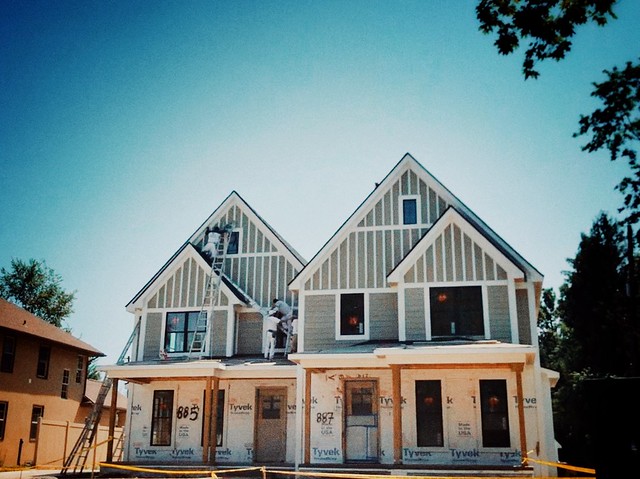
Newly constructed two-story house with modern design and large windows.

Demand From Buyers To Keep Housing Strong

The economy has many parts. And, naturally, the housing market plays a role. When its strong, it can add to economic growth. When it isn’t, it can drag the economy down. According to the latest forecast from Fannie Mae’s Economic and Strategic Research Group, it’s currently strong and adding to growth for the first time in a year and a half. Doug Duncan, Fannie Mae’s senior vice president and chief economist, says buyer demand is responsible and, if not for inventory issues, the market might even be stronger. “As we forecasted, housing supported the larger economy in the third quarter, and we expect it to continue to play a productive role through the first half of 2020,” Duncan said. “Of course, the housing market as a whole remains constrained by the persistent supply and affordability issues, which is particularly unfortunate given the current strength of consumer demand for reasonably priced homes.” Ultimately, how much the housing market contributes to economic growth next year will be determined by how well the number of homes for sale can keep up with demand from buyers. More here.

Neighborhood

Where Are The Best Places To Buy Rental Property?


Owning a rental property can seem like a great investment and a good way to make additional income. But, if you aren’t a professional real estate investor with experience managing properties, it can be more difficult than it looks. You can also quickly find yourself paying multiple mortgages, if you have homes to rent but no interested tenants. Obviously, there are a lot of factors that play into how successful a rental property is but location probably tops the list. After all, some areas are more desirable than others. Some areas are also more likely to attract renters. So where in the country are the best places to own a rental property? Well, according to one recent analysis, cities in Florida are a good bet right now. Places like Orlando, St. Petersburg, and Tampa all ranked among the nation’s best places to own a rental. Other cities included Seattle, Denver, Atlanta, Colorado Springs, and Phoenix. The number one city, however, was Arlington, Texas. Wherever you’re looking, though, a good indicator is population growth. Buy in a neighborhood that people are moving to and, naturally, you’ll have an easier time attracting tenants. More here.

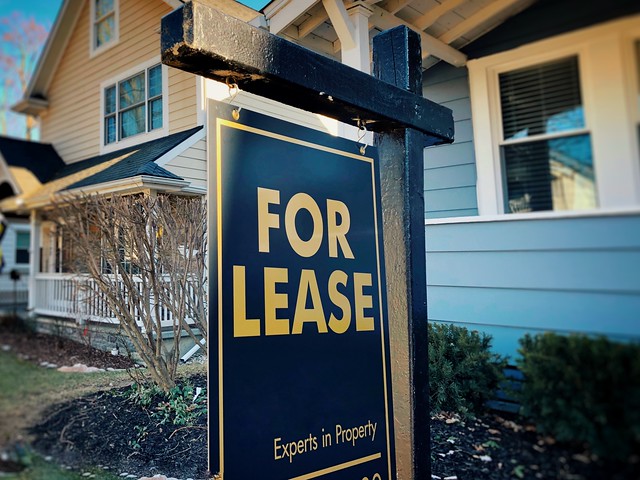
For lease sign outside a residential house.

Favorable Conditions Lead To Home Sales Bump


New numbers from the National Association of Realtors show sales of previously owned homes increased in October from the month before. The nearly 2 percent improvement pushed sales 4.6 percent higher than they were last year at the same time. Lawrence Yun, NAR’s chief economist, said favorable conditions are likely to keep buyers coming out as long as there are enough homes to buy. “Historically-low interest rates, continuing job expansion, higher weekly earnings, and low mortgage rates are undoubtedly contributing to these higher numbers,†Yun said. “We will likely continue to see sales climb as long as potential buyers are presented with an adequate supply of inventory.†And, although the number of homes available for sale has been declining recently, news of rising new-home construction offers hope that inventory levels will begin to see gains again in the coming months. Regionally, the South saw the biggest bump in sales, with a 4.4 percent increase. The Midwest also saw gains, while the Northeast and West saw slight declines. More here.

A sign with bold red letters saying SOLD and a slogan below.

Mortgage Rates Remain Low After Decline


According to the Mortgage Bankers Association’s Weekly Applications Survey, average mortgage rates fell last week across all loan categories, including 30-year fixed-rate loans with both conforming and jumbo balances, loans backed by the Federal Housing Administration, and 15-year fixed-rate loans. The decline keeps rates favorable and just above historic lows. It’s one of many current housing trends good for prospective home shoppers. Joel Kan, MBA’s associate vice president and economic and industry forecasting, says improving inventory may be another. “Purchase applications were 7 percent higher than a year ago, which adds another solid data point to the recent increases in new home sales and housing starts,†Kan said. “There may be signs that housing inventory is starting to meaningfully rise, which will help with affordability and provide more choices for potential home buyers.†But though demand for loans to buy homes was up from the previous week, refinance activity fell. Still, refinance demand is currently 152 percent higher than last year at the same time. The MBA’s weekly survey has been conducted since 1990 and covers 75 percent of all retail residential mortgage applications. More here.

White downward arrow on an orange background.

Building Permit Rebound Is Good News For Buyers


The most recent numbers from the U.S. Census Bureau and the Department of Housing and Urban Development show permits for future home construction were at a 12-year high in October. Building permits are now 14.1 percent higher than they were last year at the same time. That sounds good, of course, but why should it matter to the average home buyer? Well, it’s pretty simple. When the number of homes available for sale is lower than the number of interested home buyers, prices rise. That’s why home values have been increasing steadily in recent years. In short, there have been fewer homes on the market while, at the same time, buyer demand has been climbing. The most effective solution to this problem is to build more homes. That’s because, as the supply of homes increases, buyers have more options to choose from and home sellers have to adjust their asking price to attract interest. So, news that permits are on the rise is good for buyers, as more new home construction may help slow the rate of price increases going into 2020. More here.

Stacks of red bricks bound by green straps under a partly cloudy sky.

Thank you for your upload