

Banner
Menu

Category: Uncategorized

Permits To Build New Homes On The Rise


New numbers released by the U.S. Census Bureau and the Department of Housing and Urban Development show the number of authorized permits to build single-family homes rose 3.7 percent in August. That encouraging news was the bright spot in an otherwise lackluster August residential construction report. However, because permits are generally a good indicator of future activity, the rise in single-family authorizations could be a good sign for future new home construction. And, because new home construction helps balance the market, that could be good news for home buyers in the months ahead. Still, August’s numbers were lower than expected. In fact, overall housing starts – which refer to the number of homes that broke ground – fell 5.8 percent, largely due to a significant drop in construction in the South. The Northeast, West, and Midwest, on the other hand, all saw gains. New home construction is particularly important right now because many markets are suffering from a lower-than-usual number of homes for sale. Without a significant boost, low inventory will continue to push prices higher while limiting the number of homes prospective buyers have to choose from. Fortunately, buyer demand has remained high so far this year, mostly because low mortgage rates and rising incomes have helped offset the upward pressure on prices caused by limited inventory. More here.
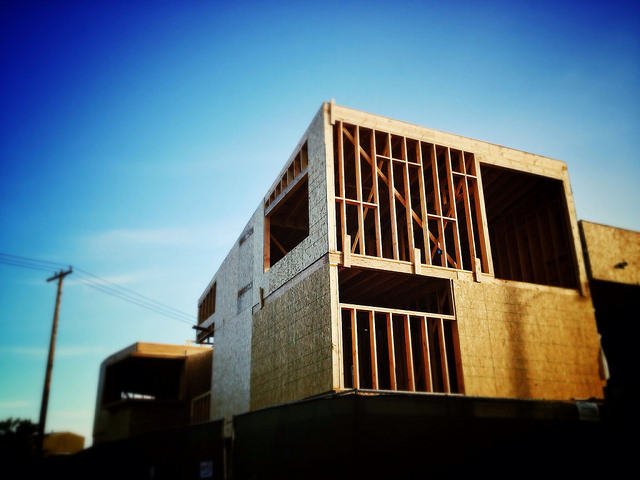

Wood-framed building under construction against a clear blue sky.

How Builder Confidence Affects Home Prices


You may not have given any thought to whether or not home builders are feeling optimistic about the market but it has something to do with you. Whether you’re a prospective home buyer or an owner looking to sell their house, the new home market plays a role. That’s because, when builders are feeling confident that there are serious buyers out there, they build more homes and that leads to home prices leveling off. In other words, when there are more homes for sale, price increases slow. So how are home builders feeling currently? Well, according to the National Association of Home Builders’ Housing Market Index – which scores builder confidence on a scale where any number above 50 indicates more builders feel good than poor – they are feeling better than they have in almost a year. In fact, September’s index reached 65, the highest since last October. Ed Brady, NAHB’s chairman says the results are a positive sign for the entire housing market. “As household incomes rise, builders in many markets across the nation are reporting they are seeing more serious buyers, a positive sign that the housing market continues to move

forward,†Brady said. “The single-family market continues to make gradual gains and we expect this upward momentum will build throughout the remainder of the year and into 2017.†More here.

Wood-framed building under construction against a clear blue sky.

Price Gains Boost Homeowners’ Bottom Line


One of the traditional arguments in favor of homeownership is that it helps build wealth. That’s based on the fact that, as you pay your off your mortgage, you are gaining an ever-larger percentage of ownership. The other part of that equity equation is dependent on rising home values. When prices go up, a homeowner benefits from the ability to sell their house for more than they paid for it. Over the years, steady price increases and regular mortgage payments could help homeowners boost their bottom line. Unfortunately, when the housing market turns downward – as it did following the housing bubble – homeowners are also on the hook for any losses in value. The good news, however, is that buying a house is typically a long-term investment and things tend to bounce back. In fact, much of the housing market’s most recent losses have been reversed. New numbers from CoreLogic show the number of homeowners still suffering from negative equity is dwindling. In fact, 92.9 percent of all mortgaged properties now have positive equity. Frank Nothaft, CoreLogic’s chief economist, says price increases have played a large role in reducing the number of owners who owe more on their mortgage than their home is worth. “The CoreLogic Home Price Index for the U.S. recorded 5.2 percent growth in the year through June, an important reason the number of owners with negative equity fell by 850,000 in the second quarter from a year earlier,†Nothaft said. More here.

Close-up image of a quarter dollar coin among pennies.

5 Features That Attract First-Time Buyers


There’s a growing number of young Americans who say they want to buy a house sometime in the next few years. In fact, a recent survey found large majorities of people between the ages of 18 and 34 who are planning to buy. That means, there’s going to be growing demand for midsized homes. Specifically, midsized homes with features that millennial buyers want. But what are those? Well, for one, a backyard deck. According to Trulia, 59 percent of millennial home buyers say they want one. An almost equal number of survey respondents said they’d like a balcony with a view. In other words, like most buyers, younger Americans want outdoor spaces that extend their living space and can be used for entertaining family and friends. Similarly, they also prefer an open floor plan and a gourmet kitchen. Kitchens, of course, are always important with buyers of any demographic. However, there is one feature nearly half of all surveyed millennial buyers wanted that is easy to add to your existing home without breaking the bank: A vegetable garden. A renewed interest in simple, healthy lifestyles has made vegetable gardens – or, at the very least, a good spot to start one – a must for 40 percent of younger home buyers. More  here.

Lettuce plants growing in soil with a statistic overlay about vegetable waste.

Home Buyers Return After Holiday Weekend


The number of home buyers requesting mortgage loan applications rose 9 percent last week, according to the Mortgage Bankers Association’s Weekly Applications Survey. The rebound, which follows the Labor Day holiday, reverses several weeks of slow demand. Lynn Fisher, MBA’s vice president of research and economics, told CNBC Americans are seeing their incomes rise and it’s helping home sales. “The purchase market remains supported by an improving U.S. labor market,†Fisher said. “Newly released data from the U.S. Census this week indicates that the median income increased by 5.2 percent last year, the highest rate of increase since 2007. Other recent but less comprehensive measures show wage growth continuing to strengthen in 2016.†Along with higher incomes, low mortgage rates are also drawing potential buyers to the market. Last week, average rates were down across most loan categories, including 30-year fixed-rate loans with both conforming and jumbo balances. Mortgages backed by the Federal Housing Administration also saw a rate decline from the week before. The MBA’s weekly survey has been conducted since 1990 and covers 75 percent of all U.S. retail residential mortgage applications. More here.

Red 'For Sale' sign with an arrow pointing right in an outdoor setting.


Which Home Style Sells For The Highest Price?


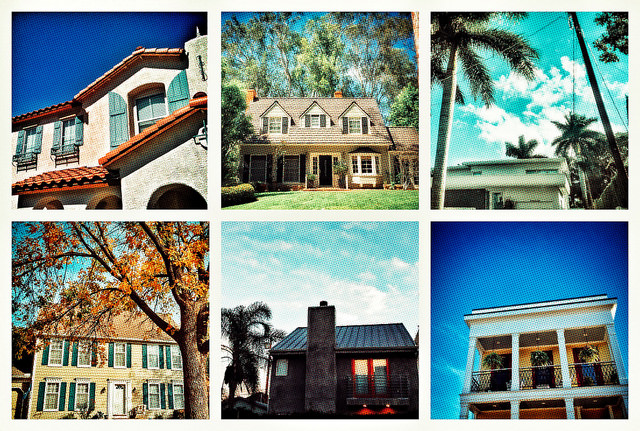
No matter where you live, there are likely a number of different architectural styles represented in your area. You may live in a neighborhood of bungalows down the street from a row of old Victorians. Or maybe your neighborhood was built more recently and is dominated by Colonials and Mediterranean-style homes. Everybody has their own personal preference but which style sells for the most? A recent study looked at a number of popular home styles and determined which sells for the highest price and which have increased and decreased in popularity over the past four years. The results show that Mediterranean-style homes have the highest median list price at $749,900. Known for their stucco walls and wrought-iron accents, these homes still garner the highest asking price but have fallen out of favor a bit since their heyday 15-to-20 years ago. In fact, median list price for a Mediterranean-style house has only risen 0.1 percent over the past four years. On the other hand, Modern homes are surging in popularity, with a 37.4 percent jump in median price. The median Modern house now goes for $425,850. The most affordable home style was Victorian at $285,000, while Colonials demanded close to $400,000. The median list price for all styles was $249,900, up from $200,000 in 2012. More here.

Collage of diverse stylish houses with various architectural designs and scenic backgrounds.

A Few Tips On Making A Successful Offer


There are many steps in the home buying process. Arguably the most important step, however, is making a successful offer. The good news, according to Freddie Mac senior vice president, Chris Bowden, is that today’s market is more traditional than it has been in recent years. In other words, there are fewer real-estate investors and cash sales, which means potential buyers should see more opportunities. Still, it’s important to know what you’re doing before making an offer on a house. Bowden offers a few tips in a recent article for Freddie Mac’s Executive Perspectives series. Among them, he names fully understanding your finances as the most critical. A buyer needs to know how much house they can afford in order to know if their budget can cover, not only their prospective mortgage payment, but any unexpected maintenance costs that come up as well. Buyers also have to act fast. Though there are fewer investors competing for homes, there are also fewer homes for sale. And since inventory is low, there’s going to be competition from other buyers. Being prepared for it can make the difference between a successful offer and a rejected one. Finally, Bowden says to rely on the expertise of the professionals you’ve hired to help guide you through the process. They should be able to help you make your strongest offer by comparing it to other recent sales in the neighborhood. More here.

Multiple twenty-dollar bills featuring Andrew Jackson.

What Can 1st Time Buyers Expect In This Market?


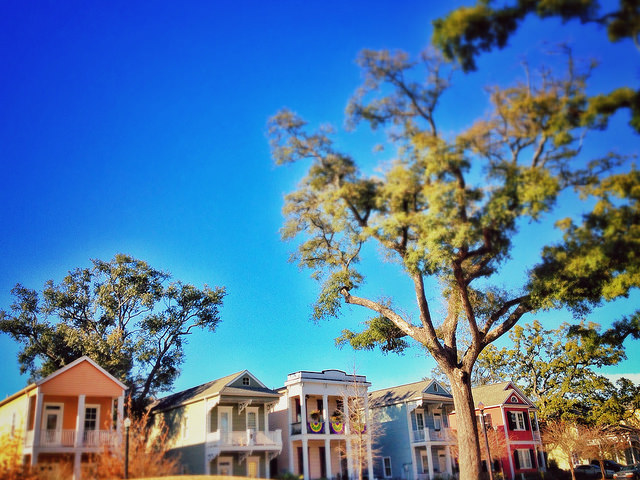
Because they are vital to the health of the housing market, first-time home buyers are a closely watched group. In recent years, they have been less active but there is new research indicating that the number of first timers is spiking. So what can new home buyers expect their first time through the home buying process? According to economist Jonathan Smoke, they may face more challenges in this market but can improve their chances by getting their finances in order, raising their credit score above 700, and planning for a down payment. “The market has seen growth despite higher prices in part because of pent-up demand from very qualified buyers who were able to meet the challenging mortgage qualifications that are the norm these days,†Smoke says. “A key question for the months ahead is whether a higher share of first-time buyers is ready or capable of qualifying for a loan and closing on a home.†In other words, if these potential buyers can get approved for a mortgage, there could be an upcoming surge in sales to younger Americans. The good news is mortgage credit has generally been more available over the past few years. Unfortunately, the flip side is that, at the same time, a higher percentage of buyers report having trouble raising their credit score and difficulty saving for a down payment.

Colorful historic houses under a bright blue sky with large trees.

More Americans Say It’s A Good Time To Buy


According to Fannie Mae’s August 2016 Home Purchase Sentiment Index, the number of Americans who say it’s a good time to buy a house rose from the month before, marking three straight months of improvement. It’s a sign that an increasing number of potential buyers are feeling secure in their jobs, optimistic about their futures, and eager to take advantage of mortgage rates still near record lows. It also bodes well for the housing market as it nears the end of its busiest season. Overall, the survey found sentiment essentially flat from the month before, when it reached an all-time high. Doug Duncan, Fannie Mae’s senior vice president and chief economist, said Americans are optimistic heading into the fall. “Consumers have a fairly optimistic, 12-month outlook on housing at the end of the summer home-buying season, supported by increased job confidence and more favorable expectations regarding their personal financial situations compared with this time last year,†Duncan said. “The return to a slight upward trend in the HPSI during the spring and summer is, thus far, in line with our forecast, which calls for 4 percent growth in home sales in 2016 to the best level since 2006 and continued improvement for 2017.†More here.

A red 'Home For Sale' sign against a partly cloudy sky.

Mortgage Rates Mostly Flat In Latest Survey


The Mortgage Bankers Association’s Weekly Applications Survey has been conducted since 1990 and covers 75 percent of all retail residential mortgage applications. For this reason, it is a closely followed measure of where mortgage rates and application demand are headed. According to the most recent survey, average mortgage rates were mostly flat last week across all loan categories, including 30-year fixed-rate mortgages with both conforming and jumbo balances, loans backed by the Federal Housing Administration, and 15-year fixed-rate loans. As a result, both refinance and purchase application demand were also relatively flat from the week before. However, compared to last year both are up. Refinance demand is now 43 percent higher than at the same time last year and demand for loans to buy homes is up 7 percent. Michael Fratantoni, MBA’s chief economist, told CNBC the year-over-year improvement has been seen on both ends of the market. “Although the pace of job growth slowed in August, purchase volume continues to run strong at 7 percent above last year at this time,†Fratantoni said. “This strength is broad based, with growth at both the high and low ends of the market.†More here.

A house roof with the word 'MORTGAGE' partially visible above it.

Thank you for your upload