

Banner
Menu

Category: Uncategorized

Top Projects To Boost Your Home’s Value


Home values aren’t just important to prospective buyers looking for something that fits their needs and budget. Current homeowners also have to think about what their home is worth, should they decide to sell their house or refinance their loan. The good news is that projects that raise your home’s worth are also going to be things that add to your quality of life while you’re still living there. In other words, whether you’ve just bought your first home or are a baby boomer looking to sell, the following projects will be good investments for both your house and your bottom line. According to a list from homes.com, the number one area to focus on is the kitchen. Kitchen remodels recoup the largest percentage of their cost, whether you redo the entire room or just replace the countertops or cabinets. Bathrooms are also popular with buyers and, like kitchens, a tasteful remodel can recoup most of its costs. Think about re-grouting, updating fixtures and handles, or just applying a new coat of paint. Energy-efficient windows and appliances are something else to consider. Energy efficiency is popular with buyers and can save you money on utilities in the meantime. Finally, spend some time outside. Refreshing your home’s exterior and landscaping can help with a good first impression and can be as simple as planting some flowers and repainting the front door. More here.


A set of various hand tools including screwdrivers, pliers, a wrench, and a hammer.

Low Rates Help Sustain Market Momentum


Mortgage rates and home prices have been headed in opposite directions for a while now. Following the housing crash, rates dropped to record lows and have hovered there over the past few years while home prices skyrocketed back from their post-crash decline. This, of course, has been fortunate for the housing market and potential home buyers – as price increases and their effect on affordability conditions have been muted somewhat by consistently low mortgage rates. Buyers who may’ve been discouraged by price spikes in their local market continued to find opportunities because of their ability to lock in a low rate on a long-term loan. This remains true. In fact, according to Freddie Mac’s Multi-Indicator Market Index – which compares current conditions to historic norms – 75 percent of the top 100 metropolitan areas are showing a three-month improving trend, despite the fact that prices are still rising. Len Kiefer, Freddie Mac’s deputy chief economist, says mortgage rates are the reason. “Nationally, MiMi in July was largely unchanged for the third consecutive month,†Kiefer said. “Despite rising house prices, the majority of housing markets have sustained their momentum due in large part to low mortgage rates. For example, purchase applications, as measured by MiMi, were up more than 17 percent year-over-year and remain at their highest level since December 2007.†More here.

Bright yellow house with green shutters under a clear blue sky.

Do Buyers Prefer New Or Existing Homes?


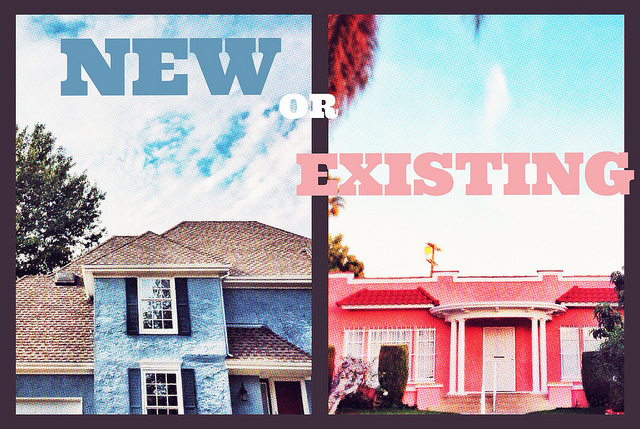
In a lot of ways, comparing sales of new and previously owned homes is unfair. For starters, new homes generally sell for a higher price. In fact, the National Association of Realtors’ Profile of Home Buyers and Sellers found the typical new home sold for $277,000 in 2015, while an existing home cost around $209,000. Not to mention, many Americans live in areas where there are few new home developments. Naturally, this means far more existing homes are sold each year compared to new homes. But how many? Well, new home sales were strongest in the late 1980s, when they peaked at near 30 percent of all home sales. These days, however, far fewer new homes are sold. This is partly due to the slow pace of the market’s rebound following the housing crash. A lower-than-usual number of new homes being built and sold resulted in new home sales falling to their lowest point in 35 years. In fact, over the past four years, they’ve accounted for just 16 percent of all sales. However, as new home construction improves and returns to pre-crash levels, this will undoubtably change. More here.

Split image contrasting a blue house with a pink house and text 'NEW or EXIST?'.

Contract Signings Hit Late Summer Slowdown


In August, the number of signed contracts to buy existing homes dropped 2.4 percent from the month before. The numbers, released by the National Association of Realtors, indicate a few things important to prospective buyers and home sellers. First, because contract signings precede closings, a decreasing number of pending sales is a good indicator of where home sales are headed. That means, a drop in August may show up as an upcoming decline in the number of recorded sales of previously owned homes. But why are sales slowing? Some of it is due to the natural ebb-and-flow of the market. As the summer season comes to a close, sales typically slow down. The other reason is inventory. Currently much of the country has a lower-than-usual number of homes for sale. That means, fewer choices for buyers and more upward pressure on prices. Lawrence Yun, NAR’s chief economist, says this is causing the housing market’s momentum to slow. “Contract activity slackened throughout the country in August except for in the Northeast, where higher inventory totals are giving home shoppers greater options and better success signing a contract,†Yun said. In fact, the Northeast saw a 1.3 percent increase in contract signings, while the Midwest, South, and West all saw declines. More here.

A large red 'SALE PENDING' sign in front of a house.

Survey Finds Average Mortgage Rates Down


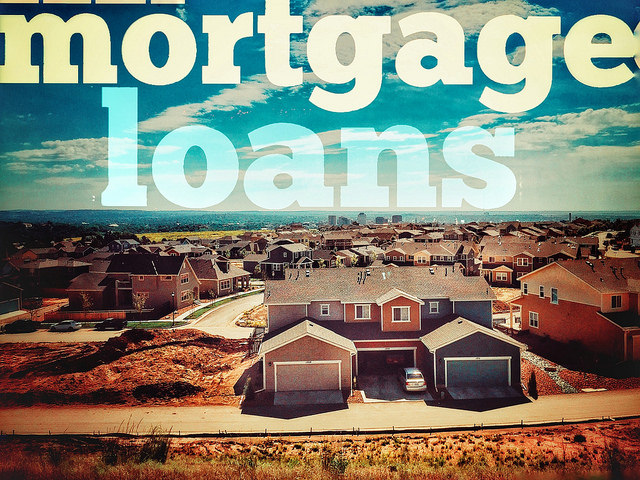
According to the Mortgage Bankers Association’s Weekly Applications Survey, average mortgage rates decreased last week across all loan categories, including 30-year fixed-rate loans with both conforming and jumbo balances, loans backed by the Federal Housing Administration, and 15-year fixed-rate mortgages. Michael Fratantoni, MBA’s chief economist, says the Fed’s decision to leave rates unchanged led to the drop. “Treasury rates fell through the course of last week, as the Fed left their target rate unchanged, and concerns grew again about global growth, particularly in Europe and Japan,†Fratantoni said. “Refinance volume dipped for the week, but purchase application volume continues to show 2016 as a strong year.†Last week, demand for loans to buy homes was up slightly from the week before and 10 percent higher than the same week one year earlier. The size of the average loan was also up, however – which indicates that much of the buying activity remains on the higher end of the market. Refinance activity, on the other hand, was down 2 percent from the previous week, despite declining rates. The MBA’s weekly survey has been conducted since 1990 and covers 75 percent of all retail residential mortgage applications. More here.

View of suburban homes with text promoting mortgage loans.

Are Down Payment Misconceptions Holding Buyers Back?


New research shows many potential home buyers have misconceptions about how much they

need to have saved for a down payment. The most often cited amount is 20 percent of the price of the house. But, depending on the type of loan, it could be much less and large numbers of eligible buyers don’t know that. In fact, according to the National Association of Realtors’ quarterly HOME survey, awareness of low-down payment mortgage options was low across all age groups but particularly among Americans over 65 and under 35. In fact, almost 40 percent of young adults believe they’ll need more than 20 percent saved before they can buy a house. Lawrence Yun, NAR’s chief economist, says this misconception could be scaring off many would-be, first-time home buyers. “It’s possible some of the hesitation about buying right now among young adults is from them not realizing there are mortgage financing options available that do not require a 20 percent down payment, which would be north of $100,000 in some expensive areas in the country,†Yun said. “In fact, most first-time buyers put down much less. In the 35-year history of NAR’s  Profile of Home Buyers and Sellers – the longest-running survey series of national housing data – the average median down payment has been 5 percent for first-time buyers.†More here.

Close-up of multiple twenty-dollar bills spread out.

New Home Sales Fall After Spiking In July


Sales of newly built, single-family homes fell in August after rising to the fastest sales pace in 9 years the month before. The data, released by the U.S. Census Bureau and the Department of Housing and Urban Development, shows new home sales down 7.6 percent month-over-month, though they remain nearly 21 percent higher than last year. But though the monthly decline may seem like a setback, there are a number of encouraging signs in the report for prospective home buyers. For starters, the number of new homes on the market rose nearly 2 percent last month. With inventory low, an increasing number of new homes available for sale is a promising sign, especially when combined with the fact that building permits also rose in August. That may indicate future gains to inventory levels across the country. And, with rising inventory, price increases should begin to moderate. For example, this month’s report shows the median price for a new home fell 5.4 percent from one year ago. In fact, the median sales price of new homes sold in August was $284,000; the average sales price was $353,600. Also in the report, new home sales were down sharply in the Northeast and South. The West saw an 8 percent increase and the Midwest fell 2.4 percent. More here.

Luxurious mansion under a vivid blue sky with wispy clouds.

Does The Buying Season Really Start In Fall?


Traditionally, the housing market heats up in the spring and continues to sizzle through the summer months. There are many reason this is true – including more favorable weather and the school year. However, if you’re able to choose when you buy your next home, spring and summer may not be the best times to buy. In fact, according to an analysis from NerdWallet, sale prices peak in June and July then begin falling in autumn. However, that’s actual sale price, not what the home was listed for. The data showed listing prices dropped less than half a percent in fall but sale prices fell nearly 3 percent by November. That’s $8,300 less on a median-priced home. And if you can wait even later, winter offers the best savings. Because fall and winter see fewer buyers active in the market, there is less competition and more room for negotiating a better price. Realtor.com chief economist, Jonathan Smoke, says buying is best the later you wait. “If your circumstances give you the freedom to be able to choose the best time to look to sign a contract on a new home, there’s no question that the market dynamics favor you the most to do that in the dead of winter, ideally in January or February, right before the activity starts to heat up,†Smoke said. More here.

A close-up of a dry leaf with the question about the buying season in fall.

Typical Home In August Sold In 36 Days


In August, the typical home for sale sold in just 36 days, according to new data from the National Association of Realtors. That’s 11 days quicker than last year. Additionally, nearly half of all homes sold were off the market in less than a month. Homes are selling faster and part of the reason is that, in many markets, there are fewer homes available for sale. With fewer homes on the market and buyer demand high, the homes that are for sale are likely to be swept up quickly. Unfortunately, too few homes for sale may also be responsible for overall sales slowing as the summer season draws to a close. August numbers show sales of previously owned homes down 0.9 percent from the month before. Lawrence Yun, NAR’s chief economist, says short supply is behind many of the housing market’s current issues. “There’s no question that after peaking in June, sales in a majority of the country have inched backwards because inventory isn’t picking up to tame price growth and replace what’s being quickly sold,†Yun said. Still, regional results show sales up slightly from one year ago everywhere but the Northeast, where they are unchanged from last year but up 6.1 percent month-over-month. More here.

A sold sign in front of a house with trees in the background.


Average Mortgage Rates Up Over Week Before


According to the Mortgage Bankers Association’s Weekly Applications Survey, average mortgage rates increased last week across all loan categories, including 30-year fixed-rate loans with both conforming and jumbo balances, loans backed by the Federal Housing Administration, and 15-year fixed-rate mortgages. Rates increased to levels last seen in June, though they remain low by historical standards. Michael Fratantoni, MBA’s chief economist, told CNBC the jump was spurred, in part, by speculation that the Federal Reserve may raise interest rates this week. “Mortgage rates increased to their highest level since June last week as comments by some Fed officials made it appear that the Federal Reserve is closer to raising rates,†Fratantoni said. “The average refi loan size fell to its lowest level in three months as more jumbo borrowers left the market.†But while refinance and purchase application demand did fall from one week earlier, they both remain up from last year, with refinance activity 26 percent higher than at the same time one year ago. The MBA’s weekly survey has been conducted since 1990 and covers 75 percent of all retail residential mortgage applications. More  here.

Bright yellow arrow pointing upward on a blue background.

Thank you for your upload