

Banner
Menu

Category: Uncategorized

Sales Slow As Summer Season Winds Down


New estimates from the National Association of Realtors show a dip in the number of previously owned homes sold in August compared to the month before. Total existing-home sales – including single-family homes, townhomes, condominiums, and co-ops – fell 4.8 percent from July, though they remain 6.2 percent above last year’s pace. “Sales activity was down in many parts of the country last month – especially the South and West – as the persistent summer theme of tight inventory levels likely deterred some buyers,†Lawrence Yun, NAR’s chief economist, said. “The good news for the housing market is that price appreciation the last two months has started to moderate from the unhealthier rate of growth seen earlier this year.†In fact, the median existing-home price for all housing types in August was $228,700, 4.7 percent above last year. Also in the report, the number of homes available for sale rose in August. Total housing inventory was up 1.3 percent at the end of the month. Rising inventory offers potential home buyers more choices, in addition to helping moderate the rate at which prices increase. More here.


Close-up of a red and white 'For Sale' sign outdoors.

New Home Construction Remains Strong


New home construction is an important indicator of the health of the housing market. In fact, taking note of how many new houses are being built in your area is one way of determining whether or not your local market is strong. For that reason, each month’s New Residential Construction report – released jointly by the U.S. Census Bureau and the Department of Housing and Urban Development – is watched closely by both economists and real estate analysts. According to the most recent release, the number of new single-family homes that began construction during the month of August fell 3 percent from the month before. But, despite the drop, housing starts remain above a one million-unit pace for the fifth consecutive month. In addition, the number of permits authorized to build new single-family homes, which is a good indicator of future housing starts, rose 2.8 percent from the month before. And, because they’re an indication of future home construction, a rise in building permits points to a coming rebound in construction and continued strength in the new home market through the end of the year. More here.

Close-up of a hammer with a wooden handle on a white background.

Builder Confidence Hits 10-Year High


Builders have a pretty good view of where the new home market is headed and, because of this, the National Association of Home Builders polls them each month to get their perspective. The survey has been conducted for 30 years and asks builders to rate buyer traffic, current sales conditions, and expectations for the next six months. In September, NAHB’s Housing Market Index rose another point and hit its highest level since October 2005. The index – which is measured on a scale where any number above 50 indicates more builders view conditions as good than poor – increased to 62 for the month. David Crowe, NAHB’s chief economist, said the results indicate that the new home market should continue to improve through the end of the year. “NAHB is projecting about 1.1 million total housing starts this year,†Crowe said. “Today’s report is consistent with our forecast, and barring any unexpected jolts, we expect housing to keep moving forward at a steady, modest rate through the end of the year.†Of the three components, those measuring buyer traffic and current sales conditions each moved up slightly, while the index gauging expectations for the next six months dropped two points. More here.

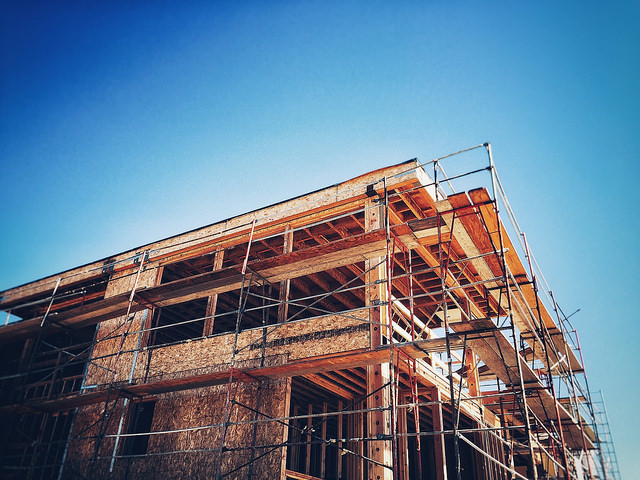
A building under construction with scaffolding against a clear blue sky.

Survey Finds Mortgage Rates Down Slightly


According to the Mortgage Bankers Association’s Weekly Applications Survey, average mortgage rates were relatively flat last week. There were slight declines in rates on 30-year fixed-rate mortgages with conforming balances, loans backed by the Federal Housing Administration, and 15-year fixed-rate loans. Loans with jumbo balances, on the other hand, ticked up from the week before. Despite favorable rates, however, demand for mortgage applications fell from the week before. In fact, refinance demand was down 9 percent and purchase application demand – which is a good indicator of future home sales – was down 4 percent. Michael Fratantoni, MBA’s chief economist, told CNBC that the Fed’s anticipated rate hike – which may’ve played a role in declining demand – may not come as soon as some have expected. “Given recent economic growth and job market health, we had been expecting a September rate hike,†Fratantoni said. “However, given recent financial market volatility and global growth concerns, along with still-low US inflation, we are expecting the first rate hike to be moved to December 2015.†The MBA’s weekly survey has been conducted since 1990 and covers 75 percent of all retail residential mortgage applications. More here.

A large yellow arrow painted on asphalt pointing downward.

Potential Rate Hike Won’t Derail Housing


For months, speculation that the Federal Reserve would begin to raise interest rates has loomed over the housing market. The rumored rate hike has spurred some potential buyers to enter the market earlier than they may’ve planned but it’s also led many to theorize that higher mortgage rates would doom the housing market’s recent progress. According to a survey conducted by Reuters of 22 top economists, however, the housing market is now strong enough to endure a gradual increase in mortgage rates. In fact, all but two of the 22 said they felt rising rates would not hamper sales, citing job creation and growing demand for houses among younger buyers as reasons demand would not be affected. “The recent strength of housing activity suggests the market is well placed to cope with a gradual rise in interest rates,†Capital Economics economist, Matthew Pointon, told Reuters. “Rising rates will also be accompanied by an improving labor market and gradually loosening of credit conditions.†In addition, the surveyed economists felt home price increases wouldn’t be big enough to discourage first-time home buyers but will be enough to encourage current homeowners to put their homes up for sale, which could help address current inventory issues in many markets across the country. More here.

Railroad tracks extending into the distance with autumn foliage.

September May Be Best For Buyers


Spring and summer are known to be the hottest times of year for home shoppers and sellers. But, according to a recent article from Realtor.com’s chief economist, Jonathan Smoke, September may actually be the best month for buyers to sign a contract to buy a house. Smoke says prospective buyers will find more choices and less competition if they’re looking to buy now. “Normally inventory peaks in August and begins to slow as the nights grow longer,†Smoke says. “But this year the typical seasonal decline will start a bit later. There will be more choices in September than any other month in 2015.†And, since the school year has started, overall demand will be down, which means prospective buyers will have less competition than they would earlier in the year. Also, fewer buyers and more homes available for sale means upward pressure on prices will start to ease, giving potential buyers an edge. Finally, Smoke argues that now is the best time to buy because mortgage rates remain historically low, which makes affordability conditions even more favorable for prospective buyers. More here.

A single metal key lying on a textured surface.

Climbing Prices Top List Of Buyer Concerns


Buying a home requires a little forethought. It is, after all, the largest purchase most people will ever make. So thinking things through before taking the plunge is always a good idea. But what issues weigh most heavily on the minds of potential home buyers? According to a recently released survey, today’s buyers are most concerned about rising home prices. In fact, nearly 27 percent of respondents named affordability their biggest concern – with too much competition from other buyers running a distant second at 17 percent. The results highlight a change from last year. Although prices, competition, and inventory retain their hold on the top three positions, rising mortgage rates have fallen from the top five and were named by just 5 percent of participants. Still, despite fewer worries about a spike in mortgage rates, a growing number of home buyers have legitimate concerns about price increases, especially first-time home buyers. Among first-time buyers, 31 percent named prices their top concern. On the other hand, some issues that may have ranked higher in the past appear to have receded from buyers’ minds. For example, worries about the economy and job security, difficulty getting a loan, and confusion about the buying process were each named by just 3 percent of prospective buyers. More here.

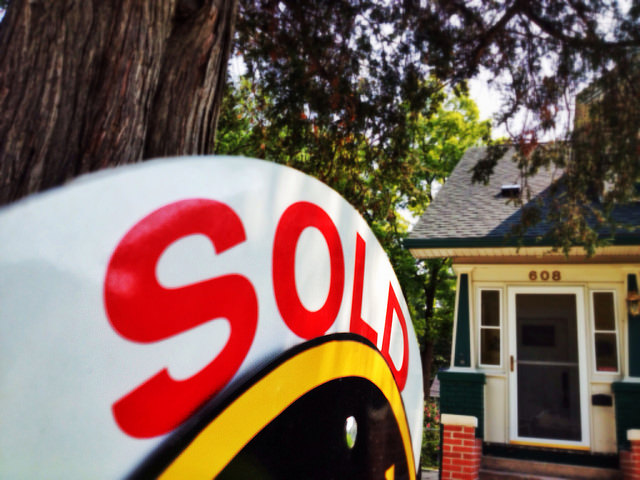
A "SOLD" sign in front of a house with trees around.


Majority Of Recently Sold Homes Affordable

During the second quarter of this year, 63.2 percent of the new and existing homes sold were affordable to families earning the U.S. median income of $65,800, according to the National Association of Home Builders Housing Opportunity Index. And though that’s down from 66.5 percent in the first quarter, David Crowe, NAHB’s chief economist, says conditions are still favorable. “Though affordability edged slightly lower in the second quarter, the HOI remains well above 50, where half the households can afford half the homes sold,” Crowe said. “Low mortgage rates, pent-up demand and continued job growth should contribute to a gradual, steady rise in housing throughout the year.” The slight drop in affordability is largely due to the fact that home prices continue to rise. In fact, the national median home price increased from $210,000 in the first quarter to $230,000 in the second quarter. On the other hand, average mortgage rates actually moved lower during the same period, which should help offset some of the effects of continued price gains. More here.

Money 2

Mortgage Demand Falls As Rates Rise


According to the Mortgage Bankers Association’s Weekly Applications Survey, average mortgage rates increased last week from the previous week. Rates were up on 30-year fixed-rate loans with conforming balances, loans backed by the Federal Housing Administration, and 15-year fixed-rate mortgages. Jumbo loans, on the other hand, saw a slight decrease. The change in rates was enough to send mortgage application demand downward, however. In fact, the total number of requested applications for mortgage loans fell 6.2 percent, mainly due to a drop in refinance activity. Michael Fratantoni, MBA’s chief economist, told CNBC borrowers with larger loans are more sensitive to mortgage rate changes. “The decline in the average loan size for both purchase and refinance applications last week showed again that borrowers with larger loans are much more sensitive to a given change in rates,†Fratantoni said. “The slight uptick led to a fairly sharp weekly drop in refinance volume, and purchase volume slipped as well.†The MBA’s weekly survey has been conducted since 1990 and covers 75 percent of all retail residential mortgage applications. More here.

Two black arrows pointing downward on an orange background.

Housing Sentiment Cools Slightly After Hot Summer


Fannie Mae’s newly announced Home Purchase Sentiment Index takes the results of their monthly National Housing Survey – which polls Americans about their attitudes toward the housing market and their personal finances – and distills them into a single number that can be used to track consumer attitudes toward buying and selling a home. According to the results, the index fell 0.5 points in August to 80.8. That’s down slightly from the all-time high reached in June but still up 5.3 points from one year earlier. Doug Duncan, Fannie Mae’s senior vice president and chief economist, said attitudes toward the current home selling climate have slid back a bit. “Expectations of rising mortgage rates and increasing concerns in the last six months about the direction of the economy seem to be weighing on consumers’ assessment of the housing market,†Duncan said. “Those who think it’s a good time to buy or sell a home have consistently pointed to favorable mortgage rates as the primary reason for their optimism. Those who think it’s a bad time to buy or sell a home have consistently pointed to unfavorable economic conditions as the primary reason for their pessimism.†Still, this month’s survey found the number of people who think it’s a good time to sell and those who think it’s a good time to buy both rose 2 percent from the month before. More here.

Close-up of a translucent blue ice cube on a textured surface.

Thank you for your upload