

Banner
Menu

Category: Uncategorized

Post Election Bump Has Rates Up Again


According to the Mortgage Bankers Association’s Weekly Applications Survey, average mortgage rates rose again last week. In fact, mortgage rates were up across all loan categories, including 30-year fixed-rate loans with both conforming and jumbo balances, loans backed by the Federal Housing Administration, and 15-year fixed-rate loans. David H. Stevens, CMB, president and CEO of the Mortgage Bankers Association, says this is the biggest week-over-week increase in years. “Following the election, mortgage rates saw their biggest week over week increase since the taper tantrum in June 2013, and reached their highest level since January of this year,†Stevens said. “Investors expectations of faster growth and higher inflation are driving the jump in rates, and rates have now increased for five of the past six weeks, spurring a commensurate drop in refinance activity.†And, though it’s true that mortgage application demand fell last week as rates rose, interest rates are still well below historical norms. In fact, Stevens told CNBC that the decline was likely just “potential buyers waiting to see whether rates will stay at these higher levels.†The MBA’s weekly survey has been conducted since 1990 and covers 75 percent of all retail residential mortgage applications. More here.


American flag waving on a clear blue sky.

The Difference Between Modern And Contemporary


When shopping for a home to buy, there are some styles that are easy to identify. If you came across a listing for a Victorian home, for example, you’d likely know what to expect and whether or not you are attracted to that style’s brightly colored exteriors and elaborate ornamentation. The difference between modern and contemporary homes, however, is less well understood. You may have even assumed the terms were interchangeable. In fact, modern architecture refers to a very specific style popularized in the first half of the 20th century. Known for its simple lines, flat roofs, and minimalist aesthetic, modern residential architecture became popular because it was a break from traditional home styles. Which, in a way, means it was the contemporary design of its day. That’s because, contemporary – in its most general sense – refers to the architecture and design of today. But, since that incorporates many styles that change over time, it is most often taken to mean whatever is the most innovative or forward-looking design of its day. In other words, a contemporary home can include hints of modern design but a modern home can no longer be considered contemporary because that refers to the homes of one particular period of history. More here.

Modern house with large windows surrounded by tall pine trees under a clear blue sky.

How Owning A Home Can Help Your Retirement

Owning a home has typically been thought of as one of the keys to a comfortable retirement. After all, years worth of monthly mortgage payments mean owners can build up a significant amount of equity if they stay in one place long enough. Then, during retirement, they can either sell their home for a profit or use a home equity line of credit to increase their bottom line. But what about now? Is owning a home still a vital part of a good retirement plan? Well, a recent study from the Urban Institute looked at the home equity patterns of older American households and found that our homes still rank among our most valuable assets. “Not only does a house meet the basic needs of shelter, but it’s an asset that typically can be used to build wealth as homeowners pay down their mortgages,” the authors write. “In fact, many retirement security experts argue that the conventional three-legged stool of retirement resources – Social Security, pensions, and savings – is incomplete because it ignores the home.” However, though owning a home is still a great way to build wealth and the majority of older adults own homes that can help finance their retirement, the report also warns that we are taking on more mortgage debt and financing it for longer periods than we have in the past. If that trend continues, future generations may find they’re less able to lean on home equity as a source of retirement income. More here.

retirement

Majority Of U.S. Homes Remain Affordable


Buying a house can be an intimidating prospect, especially when home price increases are in the news. But though it may feel like you can’t afford to buy, new numbers show that 61.4 percent of new and existing homes sold between the beginning of July and the end of September were affordable to a family earning $65,700 per year. That means, the majority of homes available for sale are within reach of an American household making the median annual income. Of course, the data, from the National Association of Home Builders’ quarterly Housing Opportunity Index, takes into account all homes, both new and old. And that’s a wide range. However, the fact remains that, mortgage rates hovering near historic lows, help the average home buyer handle higher prices, making many markets a good deal. Among the most affordable areas in the country, cities in Illinois and Alaska ranked highest. Predictably, California had some of the nation’s most expensive areas. Overall, the third quarter saw a decrease in housing affordability from where it was earlier in the year. In fact, the national median home price increased from $240,000 in the second quarter of 2016 to $247,000 last quarter. More here.

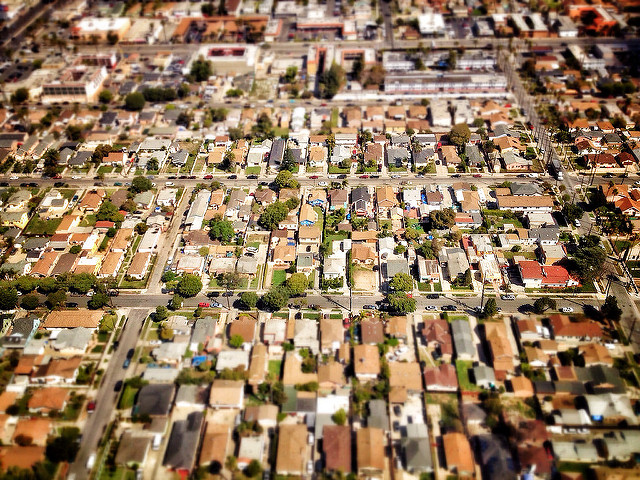
Aerial view of a suburban neighborhood with numerous houses and streets.

Today’s Homeowner Stays In One Place Longer


There are a lot of things to consider when deciding whether or not to sell your house and move. Home values, your mortgage rate, school district, plans for the future, and proximity to friends and family all play a role. In other words, after buying a house, homeowners generally stay there for a handful of years – if only to avoid uprooting their life. These days, however, Americans are staying in their homes almost 60 percent longer than they did before the housing crash. Traditionally, homeowners moved every six years or so. Now it’s closer to 10 years. Lawrence Yun, the National Association of Realtors’ chief economist, recently told a meeting of real estate agents in Florida that sellers are staying in their homes for longer periods of time and, it may be holding the housing market back. But why would Americans be less likely to move now than they were a decade ago? For one, historically low mortgage rates. Homeowners that were able to refinance over the past few years, may be reluctant to risk losing their low rate. In other instances, people whose homes lost value during the last recession may have stayed in their current homes in hopes of selling once prices rebounded. All in all, it’s expected that there will be an increasing number of Americans looking to sell their home in the near future and, when that happens, the influx of for-sale inventory will help moderate prices and give buyers more choices when looking for a house to call home. More here.

Rust-colored house facade with green shutters and a window.

Positive Economic News Takes Rates Higher


According to the Mortgage Bankers Association’s Weekly Applications Survey, average mortgage rates moved up last week across most loan categories, including 30-year fixed-rate loans with both conforming and jumbo balances and loans backed by the Federal Housing Administration. It was the second consecutive week rates increased and follows a general trend upward over the past month. Joel Kan, an MBA economist, told CNBC positive economic news has been pushing rates higher. “Economic news in recent weeks has been mostly positive, especially in terms of GDP growth and increasing wages,†Kan said. “This raises the likelihood of the Fed raising rates at its December meeting, but also indicates stronger domestic economic fundamentals, which pushes rates higher.†As usual, rising rates had a negative effect on refinance activity, which is more sensitive to rate fluctuations than home purchase activity. Refinance demand dipped 3 percent last week from the week before, while demand for loans to buy homes was actually up 1 percent and is now 11 percent higher than the same week one year ago. The MBA’s weekly survey has been conducted since 1990 and covers 75 percent of all retail residential mortgage applications. More here.

Close-up of a dollar bill with 'Mortgage Rates Rise Again' text overlay.

Millennials Choosing Suburbs Over The City


While it’s true that – among demographic groups – there are more young people living in urban centers than any other age group, new research shows that 47 percent of millennial homeowners actually bought in the suburbs. The data, from the Zillow Group’s Consumer Housing Trends Report, shows that, despite conventional wisdom, there are many young Americans that are drawn to the suburbs because they can provide more space and a lower cost of living. But not only are there a larger than expected number of young Americans buying in the suburbs, there are a growing number of young Americans buying in general. “Millennials are shaping the market more than anyone realized,†Jeremy Wacksman, Zillow’s chief marketing officer, said. “In fact, half of all buyers are under 36 and half of sellers are under 41.†The long rumored return of first-time home buyers appears to have officially started and that’s good news for the housing market. But this time around things are a bit different. For example, today’s first-time buyer isn’t shopping for the typical “starter†home. The research shows that – perhaps because they’ve waited longer to buy their first home – younger Americans are buying homes that are nearly as large as the typical “move-up†home. More here.

Street sign at a suburban neighborhood intersection under a blue sky.

More Americans Feel It’s A Good Time To Buy


Despite feeling more pessimistic overall, a recent survey of Americans found that an increasing number said now was a good time to buy a house. Fannie Mae’s Home Purchase Sentiment Index – which tracks consumer attitudes toward buying and selling a home, mortgage rates, wages, home prices, and more – saw a 2 percent increase in the number of respondents who said it was a good time to buy and a 4 percent bump in participants who said it was time to sell. Despite the improvement, the overall index fell for the third straight month. Doug Duncan, Fannie Mae’s senior vice president and chief economist, says uncertainty is taking its toll. “The HPSI fell in October for the third straight month from its record high in July, reaching the lowest level since March. Recent erosion in sentiment likely reflects, in part, enhanced uncertainty facing consumers today,†Duncan said. “Since July, more consumers, on net, have steadily expected mortgage rates to rise and home price appreciation to moderate. Furthermore, consumers’ perception of their income over the past year deteriorated sharply in October to the worst showing since early 2013, weighing on the index. However, this component of the HPSI is volatile from month to month, and the firming trend in wage gains from the October jobs report, if sustained, may foreshadow an improving view in the near future.†More here.

A house silhouette with a 'For Sale' sign in front of a blurry background.

Who Buys Vacation Homes And Where They Buy


Everyone, at one time or another, has dreamed of buying a vacation home. Whether it was just a temporary fantasy brought on by a particularly perfect trip or it was something more real, it’s hard not to think about the joys of owning a place in your favorite town or getaway spot. But who’s actually buying vacation homes and where are the most popular locations to have a house? Well, the National Association of Realtors collects that info each year as part of their Investment and Vacation Home Buyers Survey. This year’s results show that, among vacation home buyers, the South is the most popular area to buy. In fact, a full 47 percent of vacation homes bought last year were purchased in the South. The West came in second with 25 percent. Also, beach houses outpace all others, with sales more than doubling the number of homes purchased in the mountains, at a lake, or in the country. And who’s most likely to buy a vacation home? Not surprisingly, Lawrence Yun, NAR’s chief economist, says older buyers. “Baby boomers at or near retirement continue to propel the demand for second homes, although headwinds softened the overall volume of vacation sales last year,†Yun said. In 2015, the median household income of a vacation home buyer was $103,700 and the property they purchased was a median distance of 200 miles away from their primary home. More here.

Three tall palm trees under a clear blue sky.

What You Need To Know About Home Prices


Whether you’re looking to buy a home or you’re ready to sell one, home prices are likely a topic of great interest to you. For this reason, a couple of new reports deserve a closer look. First, ATTOM Data Solutions just released their U.S. Home Sales Report for the third quarter. Among the results, the data shows that the median home price has now surpassed its pre-recession peak and is at an all-time high. In fact, the median price in the third quarter hit $230,000 – which is 1 percent higher than its previous peak of $227,000 in 2005. But though that sounds like bad news for buyers, there may be more to the story. That’s because another recent report shows that – though home prices continue to rise – so does the number of price reductions. That means, more sellers are adjusting their price after originally listing their house. Whether that’s because they just priced it too high to begin with or are in markets where prices may have peaked is debatable. However, 70 of the largest 100 metropolitan areas saw an increase in price reductions. Of course, home price trends can vary from one location to the next. For example, ATTOM’s chief economist, Darren Blomquist, points out that, while prices have hit new peaks in some markets, there are also still markets where there are a high number of distressed properties and opportunities for buyers looking for a bargain. More here.

A dollar sign painted on a textured wall with yellow accents.

Thank you for your upload